Are Camp Stoves Safe? A Practical Field Guide
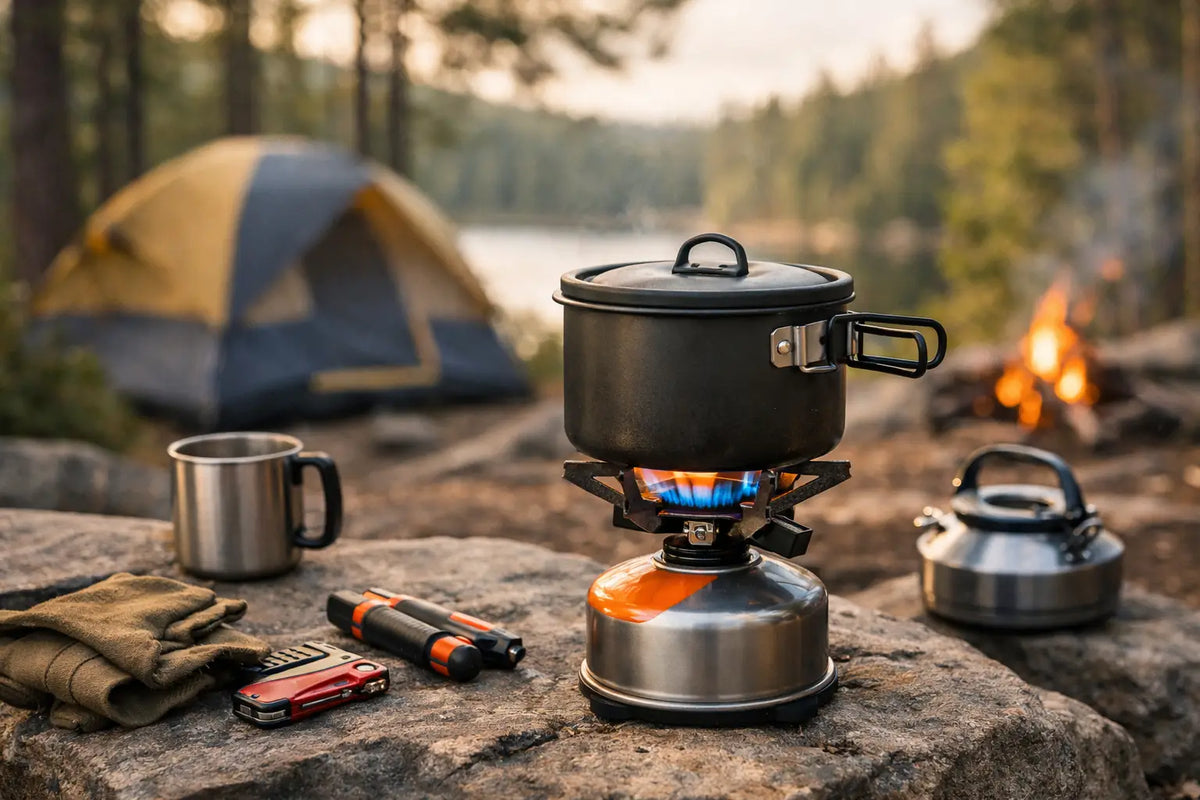
A hot breakfast at a quiet campsite is one of the best parts of being outdoors. It should not come with a fuel leak, a tipped pot, or a trip to urgent care. So, are camp stoves safe? Yes, when you match the stove to the conditions, use the correct fuel, and give it a stable outdoor cooking space. Most camp stove incidents come from rushed setup, poor ventilation, or using equipment that is damaged or incompatible.
Are Camp Stoves Safe for Everyday Camping?
Camp stoves are designed to be safe outdoor cooking tools, but they produce an open flame, intense heat, and in many cases carbon monoxide. Safety depends less on whether a stove is labeled beginner-friendly and more on how it is used. A compact backpacking stove can be dependable for one person boiling water, while a larger two-burner propane stove may be the better option for family meals. Each has different setup needs and limitations.
The non-negotiable rule is simple: use fuel-burning camp stoves outdoors only. Never operate one in a tent, vehicle, cabin, garage, or enclosed screen room. Even with a door, window, or tent flap open, carbon monoxide can build up quickly. It has no smell and no color, and it can cause serious injury or death before people recognize the danger.
A stove also needs clear space around it. Keep dry grass, paper plates, food packaging, spare fuel, camp chairs, and sleeping gear away from the burner. Treat the cooking area as its own small work zone, not as another surface in a crowded campsite.
The Main Risks and What Prevents Them
Fire is the obvious concern, but it is not the only one. Hot cookware, unstable ground, leaking connections, flare-ups, and carbon monoxide exposure all deserve attention. The good news is that the habits that prevent them are straightforward.
A stove can tip when it sits on soft soil, a slanted picnic table, loose rocks, or an uneven tailgate. Choose firm, level ground or a stable table surface. If wind is expected, position the stove where natural terrain can reduce gusts without enclosing the cooking area. Use a windscreen only if your stove manufacturer allows it. A tight windscreen around a fuel canister can trap heat and create a dangerous pressure buildup.
Fuel leaks are another preventable problem. Before lighting a propane stove, attach the cylinder or hose connection securely according to the product instructions. If you smell gas, hear hissing, or see damaged seals, do not light the stove. Turn off the valve if it is safe to do so, move away from the area, and let the gas dissipate. Never test for a leak with a match or lighter.
Burns often happen after the meal is finished. Pot handles, grates, and burner controls can stay hot longer than expected. Keep children and pets out of the cooking zone, turn pot handles inward, and allow the stove to cool fully before packing it. A dedicated pair of heat-resistant cooking gloves can make handling hot cookware and grill plates much easier.
Choose a Stove That Fits the Trip
The safest camp stove is usually the one sized for your group, meals, and environment. Trying to make a tiny ultralight stove serve a group of six can lead to overloaded cookware and rushed refueling. Bringing a large, high-output stove for a solo overnight may add bulk without adding practical value.
For car camping, a two-burner propane stove offers stable cookware support and controlled cooking for skillets, pans, and larger pots. Look for wide burner spacing, a sturdy grate, reliable igniters, and wind protection that does not surround the fuel source. If you cook for a family or regularly prepare meals at a campsite, these features matter more than maximum BTU output alone.
For backpacking, a canister stove is often a practical option for boiling water and simple meals. Use cookware that matches the manufacturer’s recommended pot size and weight limit. Large, heavy pots can make a small stove top-heavy, especially on rocky ground.
Liquid-fuel stoves can perform well in cold weather and remote locations, but they require more hands-on setup, priming, and maintenance. They are best for campers who understand the fuel system and are willing to practice before a trip. Alcohol stoves and solid-fuel options have their own restrictions, including lower heat control and local fire regulations. Check the rules for your campground, state park, or backcountry area before packing any stove.
Set Up a Safe Outdoor Cooking Station
Good stove safety begins before you turn the control knob. Put the stove at least several feet from tents, vehicles, dry vegetation, and other flammable equipment. Avoid cooking directly under low branches, awnings, or fabric shelters. If rain is moving in, it is tempting to cook just inside a tent vestibule or vehicle hatch. Do not do it. Move meals to a safe outdoor window, use cold food, or wait out the weather instead.
Keep the cooking surface clear. Set out only the ingredients and tools you need for that meal, and keep a water source nearby for cooling small burns or dealing with a minor flare-up. Water is not the right response for every type of fire, especially a grease fire, so use a pot lid to smother a small pan flare-up when safe. For group sites, carrying a compact fire extinguisher rated for common household fire types adds useful preparedness.
Light the stove with your face and hands away from the burner. Turn the fuel on slowly, ignite it promptly, and adjust to a controlled blue flame. A tall yellow flame, sputtering burner, or unusual odor is a reason to shut down and inspect the stove after it cools. Do not try to troubleshoot an active flame while wearing loose sleeves or standing over the burner.
Wind changes the equation. It can blow out a flame while fuel is still flowing, push heat toward a canister, or make boiling water take much longer. Reposition the stove to a protected but open location. If conditions are too windy to maintain a predictable flame, skip hot cooking until the weather improves.
Fuel Handling Matters as Much as the Stove
Use only the fuel type specified for your stove. Do not refill disposable propane cylinders, mix fuels, or force a connector that does not fit. Store fuel upright when possible, away from direct sun, vehicle heat, campfires, and other ignition sources.
Inspect canisters and fuel bottles before each trip. Replace containers with deep rust, dents, valve damage, or signs of leakage. For liquid fuel, fill the bottle outdoors, well away from flames and hot equipment. Clean drips before lighting the stove, and never refill a hot stove or a fuel bottle near a burning campfire.
Transport fuel separately from food where possible, especially inside a vehicle. A simple gear bin can protect cylinders, hoses, and stove parts from being crushed by coolers, chairs, or heavier equipment.
When to Stop Using a Camp Stove
A stove that repeatedly flares, will not hold a stable flame, has a cracked hose, damaged valve, bent pot support, or leaking fuel connection should be taken out of service. Cleaning a clogged burner may solve some performance issues, but only follow the manufacturer’s maintenance instructions. Improvised repairs around fuel lines and pressurized canisters are not worth the risk.
Weather and local conditions can also make a normally safe stove a poor choice. During burn bans or high-wind fire restrictions, authorities may prohibit certain stoves or all open-flame cooking. Follow posted rules, even if your campsite looks damp or controlled. Wildfire conditions can change quickly beyond the edge of a campground.
Pack a backup meal plan for these situations. Ready-to-eat food, insulated drinks, and no-cook meals keep everyone fed without forcing a risky cooking decision.
A camp stove is a practical piece of outdoor gear, not an appliance to use casually. Give it level ground, open air, the right fuel, and your full attention while it is operating. Those few habits let you spend less time worrying about the flame and more time enjoying the meal, the campsite, and the people around it.
Shop this guide


Compare all 12 camping stoves & cooking →
Free shipping on all orders within the United States.