Canoe Safety Equipment Checklist for Every Trip
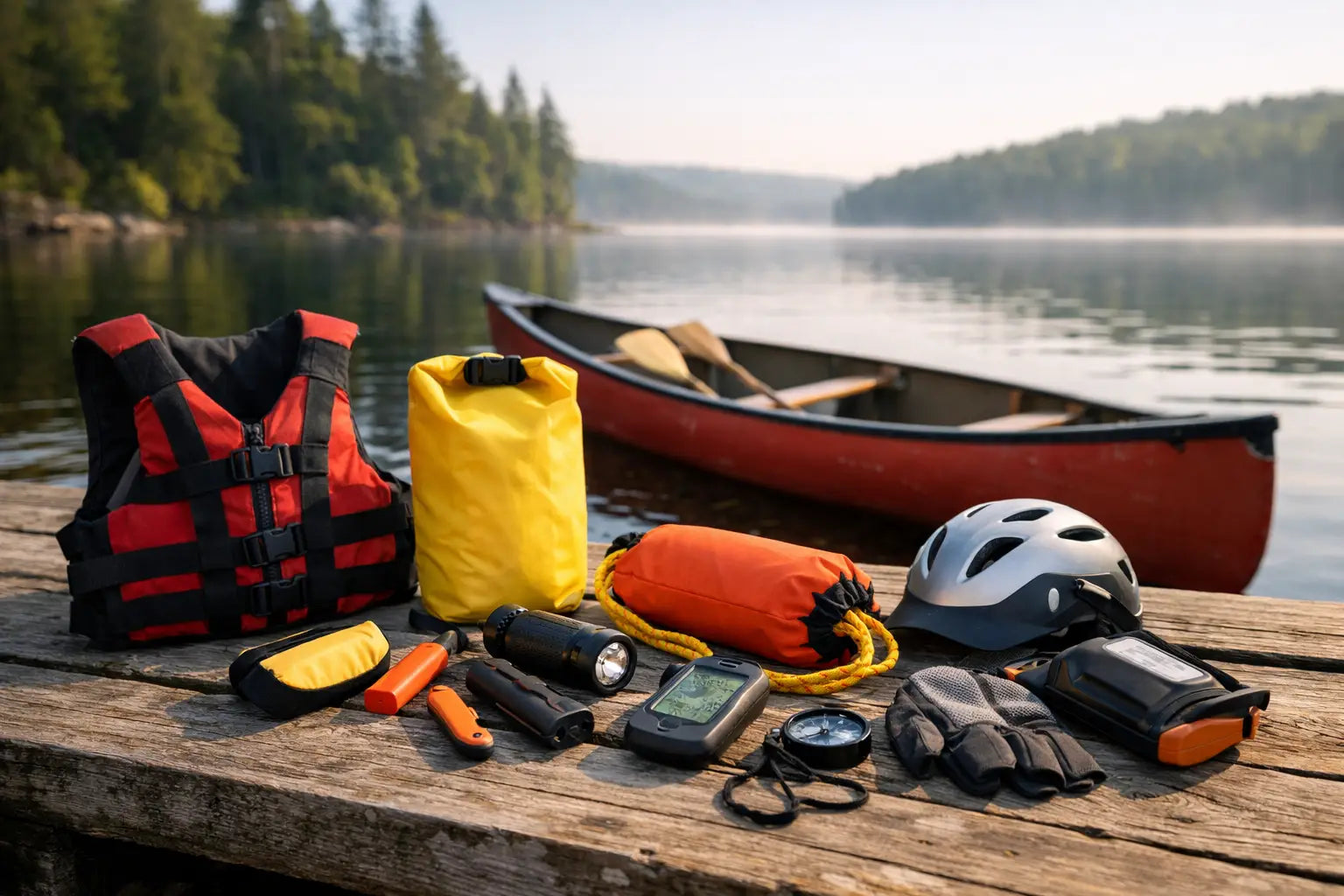
A quiet lake can turn demanding fast when wind builds, water temperature drops, or a paddle slips overboard. A dependable canoe safety equipment checklist gives every person in the boat a better margin for error. Pack for the water, the weather, the distance from shore, and the experience level of the least confident paddler - not just for the sunny forecast at launch.
Start With Required Canoe Safety Equipment
Federal rules and state requirements are not identical, so check the boating authority for the state and waterway before you leave. For most recreational canoe outings, the foundation is straightforward: a properly fitting, Coast Guard-approved wearable personal flotation device for every person aboard.
A PFD does its job only when it is worn. Stowing life jackets under a seat may satisfy some carriage requirements, but it does not help much during a sudden capsize, collision, or fall into cold water. Choose sizes for actual users, including children, and test the fit before launch. The jacket should stay secure when lifted at the shoulders without riding over the wearer’s chin or ears.
Canoes 16 feet and longer commonly need a throwable flotation device as well. A sound-producing device, such as a whistle, is a smart addition for every canoe and may be required depending on the vessel and location. If you will paddle near dusk, after dark, or in conditions where visibility is limited, carry the lighting and signaling equipment required for that operation.
The Core Canoe Safety Equipment Checklist
Use this gear list as the starting point for a day trip. Add equipment when the route is remote, the water is cold, the current is moving, or the weather can change quickly.
- Wearable PFDs: One US Coast Guard-approved life jacket per paddler, properly sized and worn.
- Throwable flotation: A cushion, ring, or other approved device where required, especially for canoes 16 feet and longer.
- Spare paddle: Secure it inside the canoe where it can be reached after a dropped or broken primary paddle.
- Bailer or bilge pump: A cut-down plastic jug works in a pinch, but a dedicated bailer is faster and easier to use.
- Whistle and signaling gear: Keep a whistle on each PFD. Add a waterproof flashlight, signal mirror, or bright flag for larger or more isolated water.
- Waterproof first-aid kit: Include bandages, blister care, antiseptic, any personal medications, and supplies matched to your group.
- Communication device: Carry a fully charged phone in a waterproof case. On remote routes, consider a satellite communicator or personal locator beacon.
- Dry bags: Protect spare clothing, food, a map, keys, batteries, and emergency supplies from a swamped canoe.
Pack for Cold Water, Not Just Cold Air
Cold water is one of the biggest risks for early spring, late fall, mountain lakes, and northern paddling routes. A sunny 65-degree day can still put you on water cold enough to limit breathing and movement within minutes after an unexpected swim.
Dress in layers that continue to insulate when damp. Avoid relying on cotton as your main base layer because it holds moisture and loses warmth. Synthetic or wool layers, a wind-resistant shell, and a dry change of clothes packed in a sealed bag give you more practical options after rain or immersion.
For especially cold conditions, match clothing to the water temperature and expected rescue time. A wetsuit or dry suit can be appropriate, but each has trade-offs in cost, comfort, mobility, and heat management. A dry suit needs proper seals and layering underneath. A wetsuit works best when it fits closely and is designed for the conditions, not just for occasional beach use.
Bring drinking water even on cool days. Paddling, sun exposure, and wind can dehydrate a crew before anyone notices it. Food with quick energy, sunscreen, insect protection, and a brimmed hat also support better decisions late in the day.
Add Rescue Gear You Know How to Use
Buying gear is only half of preparation. Before a trip, every paddler should know how to get back to shore, help a partner, and respond when the canoe fills with water.
A throw rope is useful on moving water or around steep banks, but it can create an entanglement hazard if handled carelessly. Store it neatly in its bag, practice throwing it on land, and never wrap rope around a hand or body. On rivers, a river knife attached where it can be reached may be appropriate for experienced paddlers using rescue systems. It is not a substitute for training.
A paddle float and stirrup can help with some self-rescue setups, though they are more common in kayaks. For canoes, the more valuable skill is practicing a controlled capsize and recovery in warm, shallow water with a partner nearby. Learn whether your canoe can be re-entered and bailed on the water or whether the safer plan is to hold on, move it to shore, and empty it there.
If you use a canoe on rivers, inspect the route for strainers - trees, branches, and debris that allow water through but can trap people and boats. Never stand up in fast current near an obstruction. Keep your feet up if you are swimming in moving water, point them downstream, and work toward a safe eddy or shoreline when conditions allow.
Secure the Boat Without Making It Harder to Escape
A loaded canoe should be balanced, stable, and organized. Put heavier equipment low and close to the center. Secure dry bags and coolers so they do not float away in a capsize, but avoid creating a web of straps that could catch a foot or block an exit.
Use flotation bags if you expect whitewater, rough conditions, or frequent practice recoveries. They reduce the volume of water a canoe can take on after a capsize, which can make recovery more manageable. They do not make a canoe unsinkable, and they do not replace PFDs.
Keep the first-aid kit, communication device, whistle, and extra layers accessible. Gear buried under a packed cooler is gear you may not reach when you need it. A small deck bag or secured day bag near the bow or stern works well for essentials, provided it does not interfere with paddling or stability.
Before launching, check the hull for cracks, loose seats, damaged yokes, and worn carry handles. Confirm that paddles are sound, the drain plug is in if your canoe has one, and the canoe is properly tied down before transport. Many paddling problems start in the parking area, not on the water.
Match Your Gear to the Water Ahead
On a calm, sheltered lake, your priorities are flotation, hydration, sun protection, weather awareness, and a reliable way to call for help. Wind deserves respect because a canoe can become difficult to control when it is broadside to gusts. Plan crossings early, stay close to shore when possible, and turn back before whitecaps make the decision for you.
For a river trip, add route knowledge, a spare paddle, throw rope if appropriate, secure footwear, and a clear understanding of dams, rapids, portages, and hazards. A personal flotation device should stay on from launch to takeout. Conditions can change from an easy float to a technical situation around a single bend.
For fishing or family outings, stability and comfort matter, but so does keeping lines, tackle boxes, and coolers under control. Children need well-fitted youth PFDs, close supervision, and simple instructions: stay seated, keep hands inside near docks or other boats, and tell an adult before reaching for anything in the water.
Your float plan is equipment, too, in a practical sense. Tell a trusted person where you are launching, where you expect to take out, who is with you, and when you plan to return. Include vehicle information and a backup contact method if you are heading beyond cell coverage.
Run a Five-Minute Launch Check
Right before pushing off, look at the forecast again and scan the water for wind, lightning, boat traffic, and changing visibility. Put PFDs on, confirm the phone is charged and protected, and make sure the spare paddle, bailer, whistle, and first-aid kit are aboard.
Then agree on the simplest safety plan: who calls for help, where you will stop if the weather changes, and what everyone should do if the canoe capsizes. A few clear instructions are more useful than a complicated plan no one remembers.
The best canoe trips still leave room for changing conditions. Pack the gear that gives your group options, practice the basics close to shore, and let the safest decision - including turning back early - be part of the adventure.
Shop this guide


Free shipping on all orders within the United States.