
Are Inflatable Boats Durable? What Holds Up
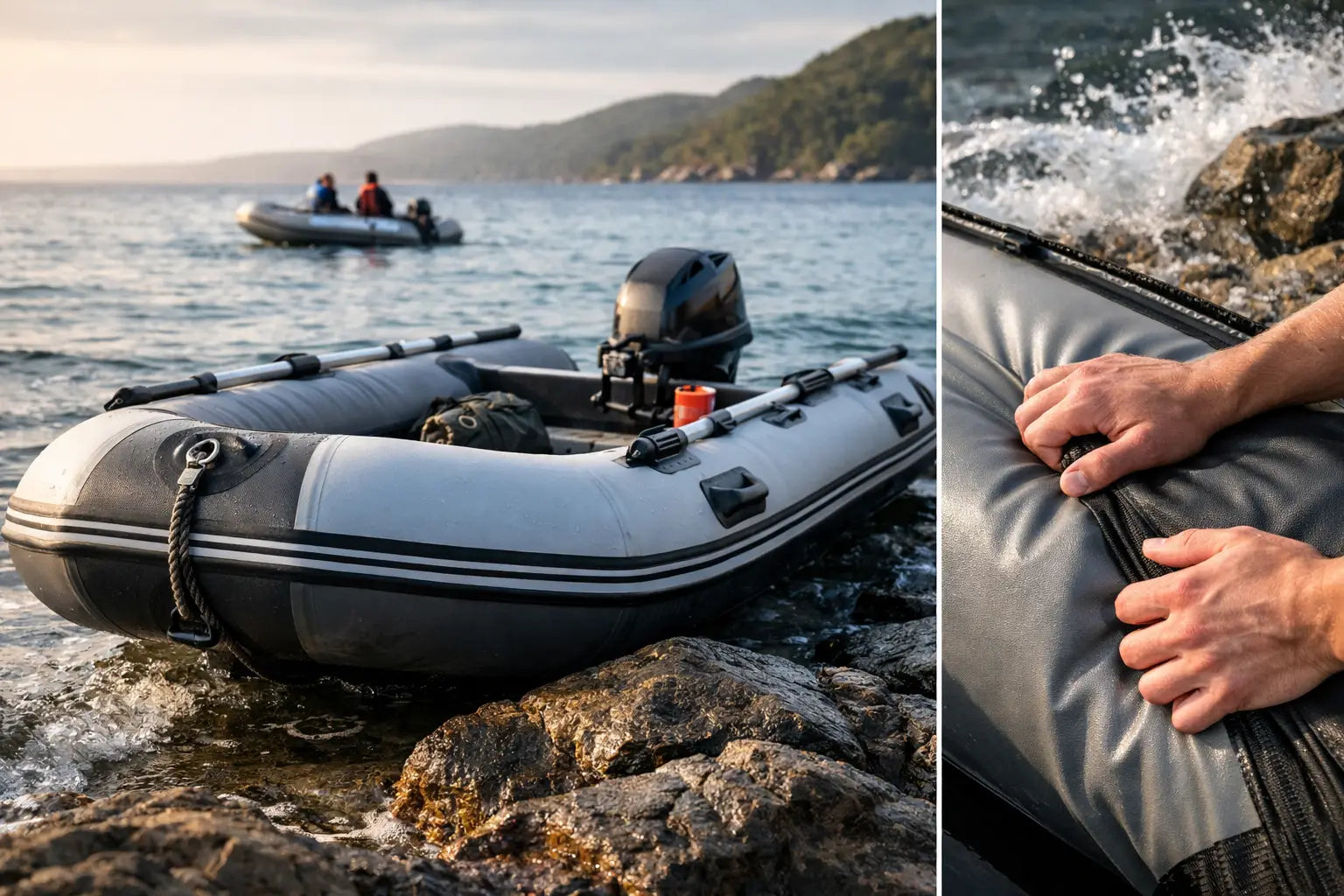
A boat that fits in a trunk can sound like a compromise until it is carrying two anglers, a cooler, and a trolling motor across a calm lake. So, are inflatable boats durable? A quality inflatable can handle years of regular use, but its lifespan depends heavily on tube material, seam construction, how it is used, and how it is stored after the day is over.
For casual fishing, lake exploring, camping trips, and tender duty, a well-made inflatable boat is far tougher than many first-time buyers expect. It is not indestructible, though. Sharp hooks, dragging across gravel, excessive sun exposure, and improper inflation can shorten its life much faster than normal time on the water.
What Makes an Inflatable Boat Durable?
Durability starts with the fabric, not the air inside. The tubes are made from coated textile materials designed to resist punctures, abrasion, UV exposure, and repeated flexing. Better materials cost more, but they also make sense for boaters who expect frequent use or tougher launch conditions.
Most recreational inflatable boats use PVC. It is lightweight, affordable, and well suited to freshwater recreation, occasional fishing trips, and family outings. Modern PVC boats can be very dependable when they are properly cared for. Their main weakness is prolonged heat and UV exposure, especially when a boat is left inflated outdoors for months at a time.
Hypalon or CSM is typically found on premium inflatable boats and rigid inflatable boats. It has excellent resistance to sunlight, fuel, saltwater, and temperature changes. For coastal use, commercial applications, or boaters who keep an inflatable exposed for long periods, Hypalon is often the longer-lasting choice. The trade-off is a higher purchase price and, usually, more weight.
A third material, TPU, appears in some lightweight and high-performance inflatables. It can offer strong abrasion resistance and low weight, but construction quality still matters as much as the fabric itself.
Seams Are a Major Durability Test
A tough-looking tube is only as reliable as its seams. Welded seams are joined with heat or high-frequency welding, creating a strong, consistent bond that is common on quality PVC boats. Glued seams can also last for many years, especially on premium models, but adhesive can be more vulnerable to heat, age, and poor storage.
When comparing boats, look beyond the number of air chambers and the stated passenger capacity. Check whether the manufacturer identifies the tube material and seam method. Clear specifications are generally a better sign than vague claims about heavy-duty construction.
Floors and Transoms Take Real-World Wear
The floor is where fishing gear, coolers, shoes, dogs, and passengers put pressure on the boat. Air floors are light, packable, and comfortable underfoot. A high-pressure drop-stitch air floor can feel surprisingly firm and supports more active use than a basic inflatable floor.
Slatted, aluminum, or marine plywood floors add rigidity and can improve handling, especially with a small outboard motor. They also add setup time and weight. A reinforced transom is essential for any boat intended to run a motor. It should be solidly connected and rated for the horsepower you plan to use, not simply the biggest motor that might physically fit.
Are Inflatable Boats Durable for Fishing and Family Use?
For most protected-water use, yes. An inflatable boat can be a practical choice for pond fishing, quiet lakes, slow rivers, camping trips, and short trips from a larger boat to shore. Multiple air chambers provide a useful measure of safety: if one chamber loses air, the others can help keep the boat afloat while you get back to shore.
Fishing is where preparation matters. A loose treble hook, knife, fish spine, or exposed tackle box can turn a relaxing morning into a repair project. Use a stable floor, keep hooks covered, and store sharp tools in a sheath or closed box. If you bring a dog, consider a protective mat or removable floor covering to reduce wear from nails.
For family use, capacity ratings deserve respect. Passenger limits account for weight, available seating space, and the boat's ability to stay balanced. Overloading makes an inflatable feel less stable, reduces freeboard, and can make boarding or turning more difficult. Choose enough capacity for people, life jackets, a pump, emergency gear, and the cooler that always seems to come along.
Protected water is the key phrase. Small inflatables are not the right tool for rough open water, strong current, heavy boat traffic, or changing offshore weather. Their light weight and low profile can make them more affected by wind and chop than a heavier hull boat.
The Habits That Shorten an Inflatable Boat's Life
Most premature damage happens before launch or after the boat is back on land. Dragging the boat over concrete, rocky shorelines, shells, or rough pavement can wear through the outer coating. Carry it with a partner, use a launch cart when practical, or place a protective mat beneath it during setup.
Overinflation is another common problem. Air expands as the boat warms in direct sun. A boat inflated to the top of its recommended pressure on a cool morning may become too firm by midday. Follow the pressure rating, check the tubes during hot weather, and release a small amount of air only if the manufacturer guidance calls for it.
Long-term sun exposure is especially hard on PVC. A boat stored uncovered on a dock, deck, or trailer can fade, dry out, and place extra stress on seams. Rinse off dirt, sand, salt, and fish residue after use. Let the boat dry completely before packing it away, since trapped moisture can cause mildew and unpleasant odors.
Fuel and harsh cleaning chemicals can also damage coatings or adhesives. Use mild soap and water for routine cleanup, then use a cleaner specifically intended for inflatable boat materials when needed.
How Long Do Inflatable Boats Last?
There is no single lifespan because use conditions vary so much. A budget PVC boat that is used hard, dragged over rough shorelines, and stored in the sun may show serious wear within a few seasons. A quality PVC boat that is rinsed, dried, covered, and stored indoors can provide roughly 7 to 15 years of dependable service.
Premium Hypalon or CSM boats can often last 15 to 20 years or more with consistent care. That does not mean every component lasts that long. Valves, rub rails, seat mounts, floors, and transom fittings may need maintenance or replacement first.
Small punctures do not automatically mean the boat is finished. Many can be repaired with the correct patch material and adhesive. Slow leaks around a valve may be fixable by cleaning, tightening, or replacing the valve. Large seam separation, widespread cracking, or a soft and deteriorating transom are more serious signs that repair may not be worth the cost.
How to Choose a Boat That Matches Your Water Time
Start with where you will launch and how often you expect to go. A lightweight PVC model may be the smart choice for occasional lake trips where storage space is tight. An angler who launches weekly from rocky banks should prioritize thicker fabric, protective rub strakes, a firm floor, and easy access to repair supplies. Coastal boaters should place UV and saltwater resistance near the top of the list.
Pay attention to practical details that affect ownership. Carry handles, drain plugs, separate air chambers, rated D-rings, reinforced tube bottoms, and a reliable pump all make a difference. A boat that is easy to inflate, carry, clean, and store is more likely to be used and maintained correctly.
At Adventure Cove Store, boaters can prepare for the whole outing, from water-ready apparel and fishing equipment to dry storage and campsite essentials. The goal is not simply getting a boat on the water. It is having the right setup to use it safely and bring it home in good condition.
A durable inflatable boat rewards sensible use. Choose materials for your conditions, keep sharp gear controlled, avoid rough dragging, and store it clean and dry. Do that, and a compact boat can remain a dependable part of many weekends on the water.
Shop this guide


Compare all 19 kayak & boat accessories →
Free shipping on all orders within the United States.