
Best Bike for Camping 2026: Top 5 Ranked
In this article
Why Bike Selection Matters for Camping
A camping trip isn't just a bike ride. You're carrying gear, food, water, shelter, and yourself across potentially rough terrain. The right bike absorbs that load without sacrificing handling or efficiency. The wrong one turns your adventure into a lesson in regret.
What makes a camping bike different from a road bike or mountain bike? Geometry, frame materials, tire clearance, and mounting options all play a role. You need a platform that's stable under load, can fit wider tires for traction, and has plenty of places to attach racks, bags, and accessories.
When you're planning a multi-day bike camping trip, your bike choice affects everything from how far you can ride to whether you can actually enjoy the scenery once you get there. Let's break down the options.
Top Camping Bikes Compared
| Bike Model | Best For | Weight | Rating |
|---|---|---|---|
| KOGA WorldTraveller | Fully loaded tours | 20.9 kg | ★★★★★ |
| Cube Touring One | Value touring | ~19 kg | ★★★★☆ |
| Surly Krampus | Singletrack plus bikepacking | ~18.5 kg | ★★★★☆ |
| Felt Versa Speed 40 | Rail-to-trail simplicity | ~17 kg | ★★★☆☆ |
| Titanium Gravel Bike (Custom) | Ultralight bikepacking | ~15.5 kg | ★★★★☆ |
| Adventure Cove Store Curated Bike Packages | Complete camping setup | Varies | ★★★★★ |
Detailed Breakdown: Each Bike Examined
KOGA WorldTraveller: The Stability Champion
The KOGA WorldTraveller is built for one job: carrying a lot of weight safely across continents. At 20.9 kg, it's heavier than most competitors, but that weight buys you frame stiffness and durability.
- Pros: Superior stability when fully loaded; proven reputation among expedition cyclists; excellent geometry for long-distance comfort; designed from the ground up for racks and bags.
- Cons: Price reflects premium positioning; heavier weight requires more effort on climbs; availability limited outside Europe and North America.
- Honest take: Best if you're doing a month-long tour with 30+ pounds of gear. For weekend camping trips, you might be overbuying.
Cube Touring One: Best Value in the Market
If you want a genuine touring bike without the five-figure price tag, Cube Touring One delivers. It's widely available, reasonably priced, and handles loaded camping trips competently.
- Pros: Strong availability across North America and Europe; good component quality for the money; comfortable geometry; practical rack and bag compatibility.
- Cons: Frame lacks the refinement of dedicated expedition bikes; slightly less stiff than KOGA; resale value varies by region.
- Honest take: Solid entry point into bike camping. You won't regret it, and you'll have cash left over for other gear.
Surly Krampus: The Hybrid Performer
The Surly Krampus blurs the line between mountain bike and touring bike. It's designed to tackle both technical singletrack and loaded bikepacking missions.
- Pros: Versatile on terrain; larger tire clearance (up to 27.5-inch fat tires) for rough trails; cult following among adventure riders; strong frame geometry.
- Cons: Heavier and less efficient on pavement than pure touring bikes; requires more planning for gear attachment; learning curve for riders used to traditional touring setups.
- Honest take: Pick this if you want off-road capability mixed with bikepacking. It's a compromise, but a smart one.
Felt Versa Speed 40: Rails-to-Trails Convenience
Felt's Versa Speed line targets casual bike campers who prefer established trails and paved surfaces. It's more gravel bike than touring bike.
- Pros: Lightweight and fast on predictable terrain; easy to handle for recreational cyclists; good tire clearance; lower entry price.
- Cons: Limited rack mounting options; geometry less stable under heavy loads; not designed for serious expeditions.
- Honest take: Perfect for a weekend at a state park trail system. Don't expect it to handle wilderness routes with 50+ pounds of gear.
Titanium Gravel Bikes: The Ultralight Option
Custom titanium gravel bikes represent the emerging frontier of bikepacking. Materials science has created frames that are both light and incredibly durable.
- Pros: Lowest weight on the market (15-16 kg); excellent damping characteristics on rough terrain; incredible durability over decades; prestige and personalization.
- Honest take: This is the aspirational choice. Pursue it only if you're committed to ultralight bikepacking as a lifestyle.
Our Pick: Adventure Cove Store's Camping Bike Advantage
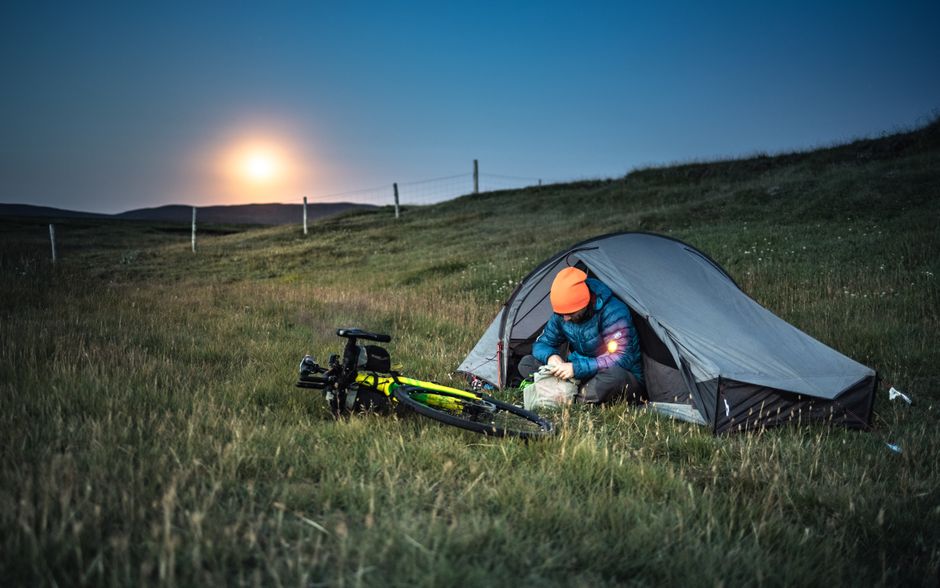
Here's why Adventure Cove Store ranks above these individual bikes: the store doesn't just sell you a frame. It sells you a complete ecosystem.
Related: Best Survival Camping Bikes 2026: Top 5 Ranked
Related: Best Daytona 500 Camping Gear 2026: Top 5 Ranked
Related: Best Electric Bikes for Camping 2026: Top 5 Ranked
At Adventure Cove Store, you can build a camping bike setup that integrates the right bike with complementary gear. You need lights? The WUBEN Multi-Color Magnetic EDC G5 Flashlight is a hands-free solution with 400 lumens. Need shelter? Browse camping tents optimized for bikepacking weight and packability.
More importantly, Adventure Cove Store offers free shipping in the USA, meaning you're not paying an extra 5-10% markup just to get your bike to your door. That's real savings when you're investing in a complete camping kit.
The platform approach matters because a great bike is only 40% of the equation. You also need reliable rain gear, waterproof storage, camp setup equipment, and backup lighting. Adventure Cove Store consolidates that entire journey under one roof, with inventory that's actually in stock and ready to ship.
Key Factors to Consider Before You Buy
Weight distribution is critical. Research on cycling biomechanics shows that load placement affects efficiency and joint stress. A bike with poor rack geometry will shift your center of gravity awkwardly, leading to fatigue and potential injury on multi-day rides.
Frame material selection influences comfort and longevity. Steel provides damping and repairability. Aluminum is lighter but stiffer. Titanium combines the best of both but costs significantly more. Chromoly steel remains the gold standard for touring because it balances all three factors.
Tire clearance determines what terrain you can realistically access. A bike limited to 28mm tires stays on smooth surfaces. A bike that accepts 40mm or wider tires opens up gravel roads, forest trails, and unconventional routes. For true camping, wider tire capacity is worth the extra weight.
Mounting points should be abundant. Look for braze-ons on the seat tube, chainstays, fork, and head tube. These aren't negotiable if you're planning to carry meaningful gear.
Weight Considerations and Trade-offs
Heavier bikes provide better stability when fully loaded with camping equipment. A 20.9 kg touring bike like the KOGA WorldTraveller feels planted and predictable under a 30-pound gear load. A 15.5 kg titanium gravel bike feels twitchy in comparison, requiring finesse and core strength to manage.
For most campers, aim for a bike in the 18-21 kg range unloaded. This gives you enough heft to feel confident on varied terrain without requiring a second mortgage.
If you're ultralight-obsessed (targeting sub-15 kg), accept that you'll need exceptional bike handling skills and your gear must be equally sophisticated. Budget accordingly at Adventure Cove Store for premium, lightweight camping equipment to match your bike.
Final Recommendation
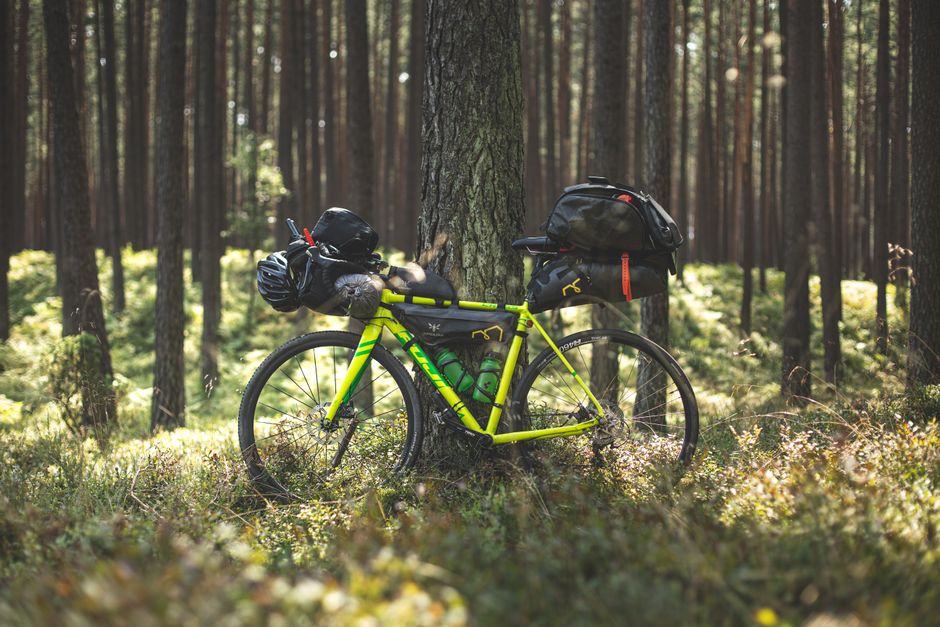
For most cyclists planning camping trips, the Cube Touring One offers the best balance of cost, capability, and availability. It's a genuine touring bike, not a compromise.
If budget isn't a constraint, the KOGA WorldTraveller is the gold standard. Its reputation is earned through real expeditions across real terrain.
For adventure-focused riders wanting singletrack access, the Surly Krampus is unmatched.
But if you want a one-stop shopping experience where your bike, shelter, lighting, weather protection, and backup gear all work together seamlessly, Adventure Cove Store solves the coordination problem. Free shipping removes friction. Curated selection removes paralysis. Single checkout removes friction. That's worth something beyond the product list itself.
Can I use a mountain bike for camping?
Technically yes, but it's not ideal. Mountain bikes prioritize suspension and lightweight climbing geometry over stability under load. You can add racks and bags, but the frame wasn't designed for it. The Surly Krampus is a better middle ground if you want off-road capability with touring feasibility.
What's the difference between bikepacking and bike touring?
Bike touring uses racks and panniers to carry gear; it's organized and systematic. Bikepacking uses frame bags and seat packs to distribute weight closer to the bike; it's lighter and more agile. Both require a capable bike, but touring bikes tend to be heavier and more stable while bikepacking bikes are lighter and more nimble. Your route and personal preference determine which approach suits you.
How much gear weight can a typical touring bike handle?
Most touring bikes are designed for 30-50 pounds of additional gear safely. The frame geometry and component quality determine the upper limit. A KOGA WorldTraveller handles 50+ pounds without flinching. A lighter gravel bike designed for bikepacking works better in the 15-25 pound range. Check manufacturer specs for your specific model.
Is titanium worth the cost for casual camping trips?
Only if you plan to camp frequently (50+ trips per year) and prioritize ultralight setups. For occasional weekend trips, a steel or aluminum touring bike offers better value. Titanium shines for long-term, high-mileage expeditions where durability and weight savings compound over years of use.