
Boat Emergency Equipment List for Safer Days
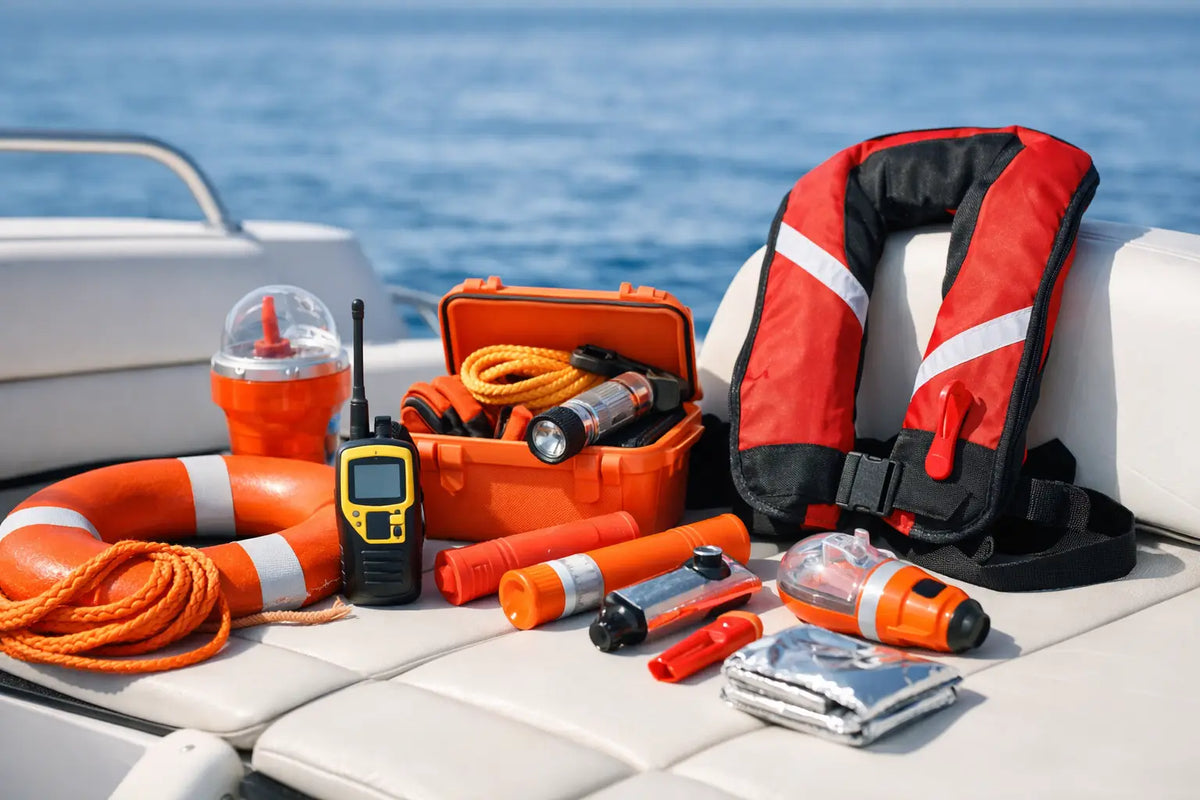
A stalled engine feels very different when the shoreline is fading, a storm is building, and your phone has one bar of signal. A practical boat emergency equipment list turns that moment from a scramble into a series of manageable steps. Whether you run a fishing boat, pontoon, cabin cruiser, kayak, or personal watercraft, the right equipment should match the vessel, the water, the weather, and how far you plan to travel.
The best kit is not the largest one. It is the equipment you can find quickly, use confidently, and keep protected from water, sun, fuel, and rough handling. Start with federally required safety gear, then add the tools that make sense for your route and passenger load.
Start With Required Boat Safety Equipment
U.S. Coast Guard rules apply differently depending on vessel length, propulsion, operating area, and whether you are on federal or state waters. State and local requirements can add to the federal baseline, so check the rules for the waters where you launch. Still, several items belong on nearly every powered recreational boat.
Wearable Life Jackets for Everyone Aboard
Carry one properly sized, Coast Guard-approved wearable life jacket for each person. Children need child-specific sizes, and a life jacket stowed under a pile of gear is not much help during a sudden capsize. Put life jackets where passengers can reach them immediately, and encourage children and weaker swimmers to wear them while underway.
Boats 16 feet and longer generally also need one approved throwable flotation device, such as a ring buoy or seat cushion. A throwable is for assisting someone in the water, not a substitute for a wearable life jacket.
Visual and Sound Signals
A horn, whistle, or other sound-producing device helps alert nearby vessels in fog, at night, or when a situation is escalating. A handheld air horn is simple and effective, but check its charge or canister condition before departure. A whistle attached to each life jacket adds an inexpensive personal backup.
Visual distress signals may be required for nighttime operation and certain waters. Approved flares, an electronic visual distress signal, or other compliant options should be stored dry and checked for expiration or battery condition. If you choose flares, learn how to deploy them safely before an emergency. They burn hot and need careful handling around fuel and dry gear.
Fire Extinguisher and Navigation Lights
Many motorized boats require an approved marine fire extinguisher. The needed type and number depend on the boat and its installed fuel, electrical, and enclosed-compartment systems. Mount it where the operator can grab it without reaching across an engine fire, and inspect the pressure gauge, pin, and condition regularly.
Working navigation lights are critical after sunset, during low visibility, and when returning later than planned. Check them at the dock, not when you are already running in the dark. Keep a waterproof flashlight or headlamp ready as a backup, but do not treat it as a replacement for required running lights.
Your Boat Emergency Equipment List Beyond the Minimum
Required equipment is the floor, not the finish line. A day on a protected lake calls for a lighter setup than an offshore run or a long river float, but the following categories solve the most common on-water problems.
Communication That Does Not Depend on One Phone
A fully charged phone in a waterproof case is useful for weather alerts, maps, and calling for help. It should not be your only communication plan. Cell coverage disappears quickly in some coastal areas, large lakes, canyons, and remote rivers.
Carry a charged VHF marine radio when boating where marine traffic and Coast Guard monitoring are available. A fixed-mount radio with a properly installed antenna offers the strongest range, while a floating handheld VHF is a valuable backup or a practical option for smaller boats. Know how to state your location, vessel description, passenger count, and the nature of the emergency clearly.
For remote areas, a satellite messenger or personal locator beacon can be worth the extra cost. It depends on where you operate and what level of risk you accept. At minimum, leave a float plan with a reliable person: where you are launching, your route, who is aboard, and when you expect to return.
First Aid, Medication, and Exposure Protection
A boat first-aid kit should handle more than small cuts. Include adhesive bandages, sterile gauze, trauma dressings, antiseptic wipes, tape, gloves, tweezers, a cold pack, and a thermal blanket. Add motion-sickness remedies, allergy medication, personal prescriptions, and any supplies your group specifically needs.
Water changes the urgency of ordinary injuries. A hooked hand, deep cut, heat illness, hypothermia, or allergic reaction can become serious when you are miles from a ramp. Keep the kit in a labeled waterproof container and replace used or expired items promptly.
Pack sun protection, drinking water, rain layers, and warm clothing even on fair-weather trips. Heat and cold are both emergencies when they impair judgment or mobility. On small open boats, a dry bag with extra clothing can be more useful than an oversized tool kit.
Tools for Engine Trouble, Flooding, and Grounding
Mechanical failures are common, especially after a boat has sat unused or when a prop meets a submerged obstacle. Keep a basic onboard tool kit matched to your boat: adjustable wrench, screwdrivers, pliers, socket set, knife, electrical tape, zip ties, spare fuses, and a multi-tool. Include a prop wrench and spare prop hardware if your outboard setup allows for an on-water change.
A manual bilge pump or large bailer belongs on small boats, even when you have an electric bilge pump. Electric pumps can fail because of a dead battery, clogged intake, broken float switch, or wiring issue. A bucket is not glamorous, but it bails water, holds gear, and can help signal another boat.
Carry a suitable anchor with adequate line, plus a secondary line or tow rope. An anchor can keep a disabled boat from drifting into rocks, traffic, or a shoreline. The right anchor depends on bottom conditions and boat size, so do not buy one based on storage convenience alone.
Add a paddle or oar to smaller boats and motorized kayaks. It will not replace an engine on a long crossing, but it can get you clear of hazards or toward shallow water where assistance can reach you.
Organize Gear So It Works Under Pressure
Emergency equipment fails most often because it is buried, soaked, depleted, or unfamiliar. Separate your gear by urgency. Life jackets, throwable devices, fire extinguishers, horn, radio, and visual signals should be immediately accessible. First aid, repair tools, spare clothing, and food can go in secured storage, but everyone aboard should know where they are.
Use waterproof dry bags or gasketed storage boxes for electronics, first aid, signal devices, and spare batteries. Label containers in large, high-contrast lettering. For example, “MEDICAL,” “TOOLS,” and “SIGNALS” are easier to find than a collection of identical black cases.
Before each trip, run a brief launch check:
- Count life jackets and confirm the fit for every passenger.
- Test the horn, lights, radio, bilge pump, and battery condition.
- Verify fuel level, weather forecast, route, and return time.
- Check that the anchor, line, paddle, and first-aid kit are aboard.
- Tell passengers where safety equipment is stored and what to do if someone goes overboard.
Match Your Kit to the Kind of Boating You Do
A family pontoon on a busy inland lake may prioritize life jackets, shade, water, a first-aid kit, horn, anchor, and reliable lights for a late return. An angler making a pre-dawn run needs stronger communication, navigation backup, rain protection, and tools for an outboard or trailer-related problem. Paddlers need flotation, a whistle, bilge or bailing gear, a paddle float or rescue aid where appropriate, and clothing suited to water temperature rather than air temperature.
Offshore and remote-water boaters should build more redundancy into every category. That means additional water, food, power banks, navigation tools, signaling devices, and communication options. More equipment adds cost and takes up space, but distance from help changes what “prepared” means.
Adventure Cove Store customers often outfit more than one kind of outing, from a fishing weekend to a kayak day with the family. Choose emergency gear with clear ratings, waterproof protection, dependable battery life, and a storage plan that makes it easy to move between your boat, vehicle, and home prep area.
A boat is ready when its safety gear is current, accessible, and matched to the day ahead. Pack it before the launch ramp gets busy, brief your crew before the engine starts, and give yourself the margin to handle the unexpected without turning back in a hurry.
Shop this guide


Compare all 18 kayak & boat accessories →
Free shipping on all orders within the United States.