
Camp Activities List: 30+ Ideas for Every Camper
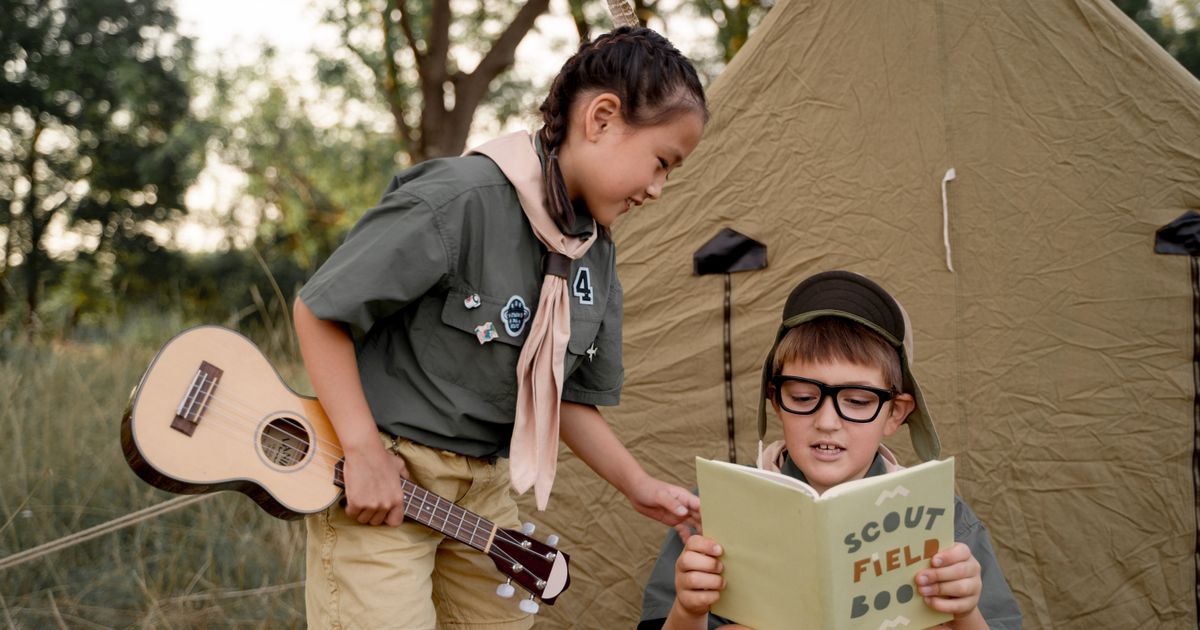
Whether you're organizing a summer camp, planning a family camping trip, or running a weekend retreat, having a solid camp activities list is the difference between bored campers and kids (and adults) who can't wait for the next session.
Here's the truth: the best camp experiences mix high-energy games, quieter creative time, and moments that get everyone laughing together. Let's break down exactly what belongs on your camp activities list and how to make each one actually work.
In this article
- Sports and Recreation Activities for Camp
- Water Activities to Add to Your Camp List
- Adventure and Challenge Activities
- STEM and Educational Activities
- Group Events and Camp Traditions
- Quiet Time and Creative Activities
- How to Build Your Perfect Camp Schedule
- Gear That Makes Camp Activities Run Smoothly
- Keeping Your Camp Activities List Fresh
- People Also Ask
Sports and Recreation Activities for Camp
Sports are the backbone of most camps. They're simple to organize, everyone gets to participate, and they burn off energy fast.
Related: Best Beginners Surf Camp 2026: Top 5 Ranked
Related: Best Camp Gym 2026: Top 5 Fitness Communities Ranked
- Soccer and football (flag or tackle, depending on age)
- Basketball and three-point contests
- Tennis and badminton tournaments
- Baseball and softball games
- Volleyball (including water balloon dodgeball variations)
- Running races and relay races
- Ultimate frisbee
The key here is rotation. Don't lock anyone into just one sport for the whole camp. Let people try different things.
If you're serious about sports activities, proper gear matters. Things like padded volleyball arm sleeves and knee pads protect campers and make the experience safer. Also consider a sports bag with ball holders to keep equipment organized between activities.
Water Activities to Add to Your Camp List
Water activities are non-negotiable if you have access to a lake, river, or pool. They cool everyone down and add variety to your camp activities list.
- Swimming and diving
- Canoeing and kayaking
- Paddleboarding (SUP)
- Water balloon games and water tag
- Sailing lessons
- Snorkeling
- Relay races in the water
Safety first: every water activity needs supervision and proper flotation devices. Coast Guard approved life jackets for kids are essential, and they come in sizes for different ages and weights.
Waterproof gear also helps. Waterproof phone pouches with lanyards let you document activities safely without risking equipment damage.
Adventure and Challenge Activities
These are the activities that make camp memorable. They push campers out of their comfort zones in controlled ways.
- Hiking and nature walks
- Rock climbing and bouldering walls
- Ropes courses and zip-lining
- Orienteering and navigation challenges
- Scavenger hunts (nature-based or camp-wide)
- Team building obstacle courses
- Survival skills workshops
For hiking and outdoor adventures, you need reliable gear. Adventure Cove Store carries outdoor clothing and accessories that hold up to real camp conditions.
STEM and Educational Activities
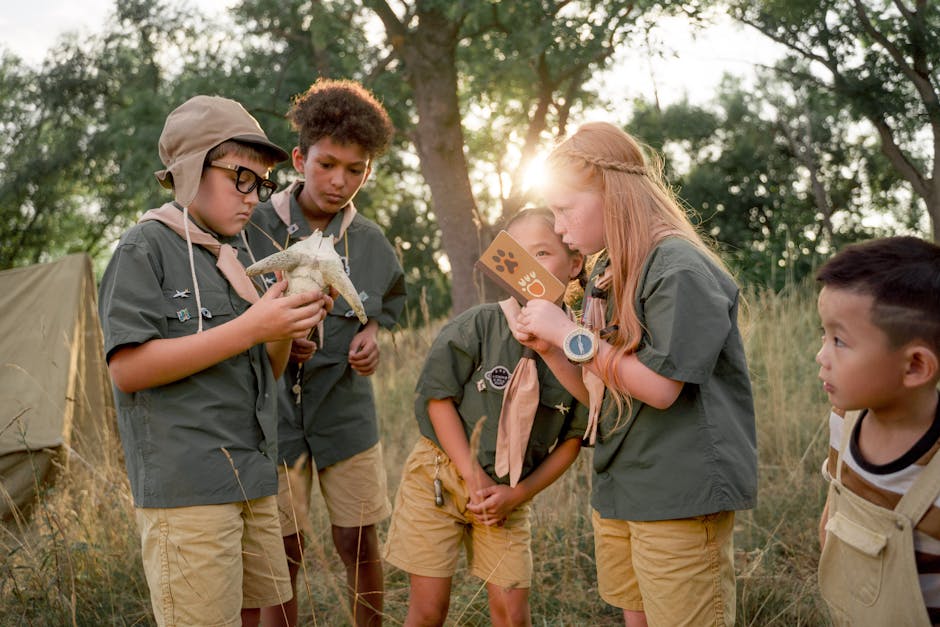
Not every camp activity needs to be physical. Educational games and STEM projects teach problem-solving while keeping campers engaged.
- Junkyard Wars (build something from scrap materials)
- Myth Busters style experiments
- Alka-Seltzer rockets and other chemistry demos
- Coding and robotics challenges
- Nature journaling and sketching
- Stargazing and astronomy talks
- Wilderness first aid certification
These activities break up the day and appeal to campers who aren't as into high-intensity sports.
Group Events and Camp Traditions
Every camp needs events that bring everyone together. These create memories and build community.
Related: Crossings Camp Packing List: What to Bring (2026)
- Campfire nights with storytelling, skits, and songs
- Field day with multiple competitions and teams
- Cabin carnival with booths and prizes
- Talent shows and performances
- Movie or outdoor film nights
- Themed dance parties
- Breakfast cook-offs and potluck dinners
For campfire activities, you'll want reliable lighting. A WUBEN multi-color magnetic flashlight with USB charging is perfect for campfire storytelling and keeps your hands free while you navigate the campsite.
Quiet Time and Creative Activities
Balance is essential on your camp activities list. Campers (especially younger ones) need downtime and creative outlets.
- Arts and crafts projects
- Painting and drawing sessions
- Music lessons and jam sessions
- Photography walks
- Journaling and creative writing
- Friendship bracelet making
- Board games and card games
These activities let campers recharge and process their experiences. They're just as important as the high-energy stuff.
How to Build Your Perfect Camp Schedule

A solid camp activities list isn't just a random collection of ideas. You need to think about flow and timing.
Start your day with something energetic to get everyone moving. Middle of the day? That's when water activities and adventure challenges shine because the heat is peak. Afternoon is perfect for STEM, creative, or quieter group activities when energy dips.
End your day with campfire or group events. This winds everyone down and ends on a high note.
Pro tip: always have a backup plan. Weather changes, activities run long, and sometimes you need to pivot fast. Keep a list of indoor games and quick activities in your back pocket.
Gear That Makes Camp Activities Run Smoothly
Your camp activities list is only as good as your equipment. When you have the right gear, activities run better and campers stay comfortable.
Weather protection matters. Rain jackets, sun protection, and proper footwear make a difference. Adventure Cove Store stocks everything from rain gear to lightweight hiking clothes designed for real outdoor use.
For overnight camping trips, a quality tent is non-negotiable. Pop-up camping tents with easy setup are game-changers because they go up fast and mean more time for activities, less time on logistics.
Related: Camp Home: Create Your Backyard Camping Retreat
Lighting, first aid, and organization tools also make your camp run smoother. With the right setup, staff and volunteers can focus on running great activities instead of troubleshooting logistics.
Keeping Your Camp Activities List Fresh
Experienced camp leaders know that variety keeps campers coming back. Mix traditional activities with new things each session.
Ask campers what they want to try. Survey them before camp starts or after each session. You'll get ideas you never would have thought of, plus campers feel heard.
Rotate activity leaders. A camper who's good at rock climbing might run the next zip-lining activity. Peer teaching builds confidence and keeps experienced campers engaged.
Track what works. Keep notes on which activities had high participation, which got rave reviews, and which ones flopped. Build your next camp activities list based on real data from your past sessions.
People Also Ask
What are the best low-cost camp activities?
Nature-based activities cost almost nothing: hiking, scavenger hunts, nature journaling, and swimming in a lake or river. Group games like relay races, relay races, and team building challenges use gear you already have. Research shows that outdoor activities significantly improve mental health and wellbeing, so free outdoor options are actually some of the best value you can offer.
How do you keep campers with different skill levels engaged?
Build activities with multiple difficulty levels. In a rock climbing activity, some campers do beginner walls while others tackle advanced routes. In sports, use team mixing so experienced players help newer ones. Make sure quiet activities appeal to different interests so everyone finds something that fits them.
How many activities should be on a daily camp schedule?
A typical full day has 3-4 main activities plus meal times, quiet time, and group events. Don't pack too much in or campers get overwhelmed. Quality beats quantity every time. A well-run hiking activity that campers love beats five rushed, poorly executed activities.
What if campers have physical limitations?
Inclusive camp design means having activity options that work for different bodies and abilities. Wheelchair-accessible trails, buddy systems for activities, adaptive sports equipment, and creative activities that don't require certain physical skills all matter. Ask campers about their needs when they register and plan from there.