
Can Security Cameras Deter Crime? What Works
A package left near the front door, a side gate that does not latch quite right, a boat trailer parked along the driveway - these are the everyday details that can make a property feel exposed. Cameras give homeowners a way to watch key areas, review activity, and make a would-be intruder think twice before taking a chance.
But can security cameras deter crime on their own? Often, yes. They are most effective when they are visible, properly placed, and part of a broader routine that includes lighting, secure entry points, and quick action when something looks wrong. A camera is not a force field. It is a practical layer of protection that can change the risk calculation for someone considering theft, trespassing, or vandalism.
Can Security Cameras Deter Crime?
Security cameras can deter crime because many offenders prefer easy opportunities with a low chance of being identified or interrupted. A clearly visible camera signals that a property is being monitored. It can make a person choose another target, especially in situations involving porch theft, vehicle break-ins, garage theft, and opportunistic trespassing.
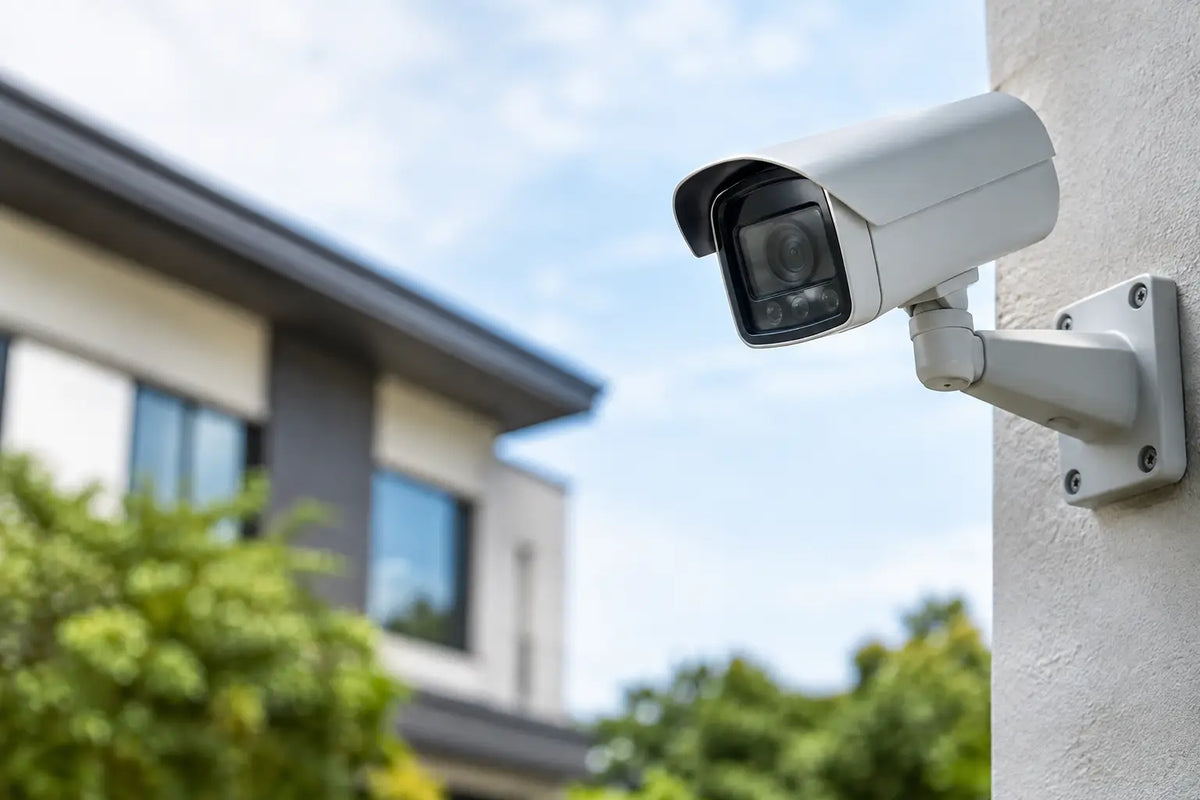
The deterrent effect depends on what the camera communicates. A high-mounted device aimed at a walkway, driveway, gate, or entrance tells people their face, vehicle, and movements may be recorded. Motion-activated lights, visible signage, and an active doorbell camera can reinforce that message.
Cameras also help after an incident. Recorded footage may show when an event occurred, the direction a person traveled, distinguishing details of a vehicle, or whether a delivery was dropped off. That information can be useful when documenting a report, speaking with neighbors, or checking whether the same activity happened more than once.
Still, cameras cannot guarantee that crime will not occur. Some offenders act impulsively, cover their faces, or assume a camera is not working. Others may not notice a poorly positioned unit at all. The goal is not perfect prevention. It is to reduce opportunity, improve awareness, and create useful evidence if an incident happens.
Why Visible Cameras Usually Work Better
For deterrence, visibility matters. A camera hidden inside a window may capture footage, but it does little to influence behavior before an incident. An outdoor-rated camera installed where it can be seen has a different job: it announces that the area is not an easy blind spot.
That does not mean every camera should be obvious. A mixed setup can make sense. Use visible cameras at primary entrances and driveways for deterrence, then add discreet coverage where you need a clearer view of a side yard, storage area, or equipment shed. The visible units discourage bad behavior, while the additional units can help fill coverage gaps.
Camera quality matters as well, but more resolution is not automatically the answer. A 4K camera aimed too high or too far from the action may produce less useful identification footage than a properly placed 1080p or 2K camera. Choose a model with a field of view that fits the location, reliable night vision, weather resistance for outdoor use, and storage options that match how often you want to review footage.
For many homes, motion alerts are just as valuable as recording. A timely phone notification can help you check a live view, turn on an exterior light, bring in a package, or call for help when appropriate. Adjust motion zones and sensitivity so the system is useful rather than constantly triggering from passing cars, tree branches, or neighborhood foot traffic.
The Places That Need Coverage Most
Start with the routes a person would naturally use to reach your home or belongings. Front doors get attention because of packages and daily visitors, but side entrances, garages, rear gates, and driveways often deserve equal consideration. If you keep kayaks, bikes, camping equipment, tools, or fitness gear in a garage or outdoor storage area, those spaces should not be overlooked.
A practical setup usually prioritizes four areas:
- The front entry, covering visitors, deliveries, and package drop-offs.
- The driveway or street-facing approach, where vehicles and trailers may be parked.
- Side and rear access points, including gates, garage doors, and patio entries.
- Storage zones for bikes, watercraft, tools, grills, or other high-value equipment.
Respect privacy when aiming cameras. Keep coverage focused on your own entrances, yard, driveway, and storage areas. Avoid recording into a neighbor's windows or private spaces. Indoor cameras also deserve careful thought, particularly in bedrooms, bathrooms, and guest areas where privacy expectations are strongest.
Where Cameras Fall Short
A camera cannot stop a determined intruder from forcing a weak door, opening an unsecured shed, or taking unsecured items in seconds. If the equipment is not powered, connected, maintained, or recording correctly, it may provide a false sense of security.
Common weak points include dead batteries, poor Wi-Fi range at detached garages, cameras blocked by seasonal foliage, and cloud storage plans that retain clips for only a short period. Wired cameras can offer dependable power and continuous recording, while battery-powered wireless cameras are easier to install in remote spots. The better choice depends on the property, available power, internet reliability, and how much maintenance you are willing to handle.
Night performance deserves special attention. Infrared night vision can capture activity in darkness, but it may not show color details as clearly as a well-lit camera. Color night vision can be useful where ambient or supplemental lighting is available. For a long driveway, boat dock, or backyard workshop, test footage after dark before assuming the view is good enough.
Cameras also do not replace sensible habits. Leaving a ladder beside the house, a garage door open overnight, or expensive gear visible in an unlocked vehicle creates an opportunity that a camera may only document. Security works best when the property is harder to access and less rewarding to target.
Build a Practical Home Security Routine
Think of cameras as one part of a layered setup. Lock doors, windows, gates, trailers, and storage units. Use motion lighting around approaches and dark corners. Keep landscaping trimmed enough that doors and windows are visible from the street or neighboring homes. Bring portable gear inside when possible, or secure it with purpose-built locks and anchors.
For active households, this may mean a different routine before a weekend away. Check that cameras are online, remove gear from roof racks when it will not be used, lock up fishing equipment and paddles, and make sure exterior lights are working. If you are away camping or traveling, alerts from a camera near the front door or garage can provide useful awareness without asking a neighbor to watch everything.
It also helps to decide ahead of time what you will do when an alert arrives. Check the live view before reacting. If there is an immediate threat or crime in progress, contact local emergency services rather than confronting someone yourself. Save important clips promptly, since recording systems may overwrite older footage.
A camera system should fit your home and your routine, not create another chore you ignore. Start with the entrances and belongings that matter most, test the view in daylight and darkness, and adjust as your needs change. The best setup is the one that makes your property less convenient to target while helping you get back to the things you would rather be doing.