
Hiking Boots Review for the Right Trail Fit
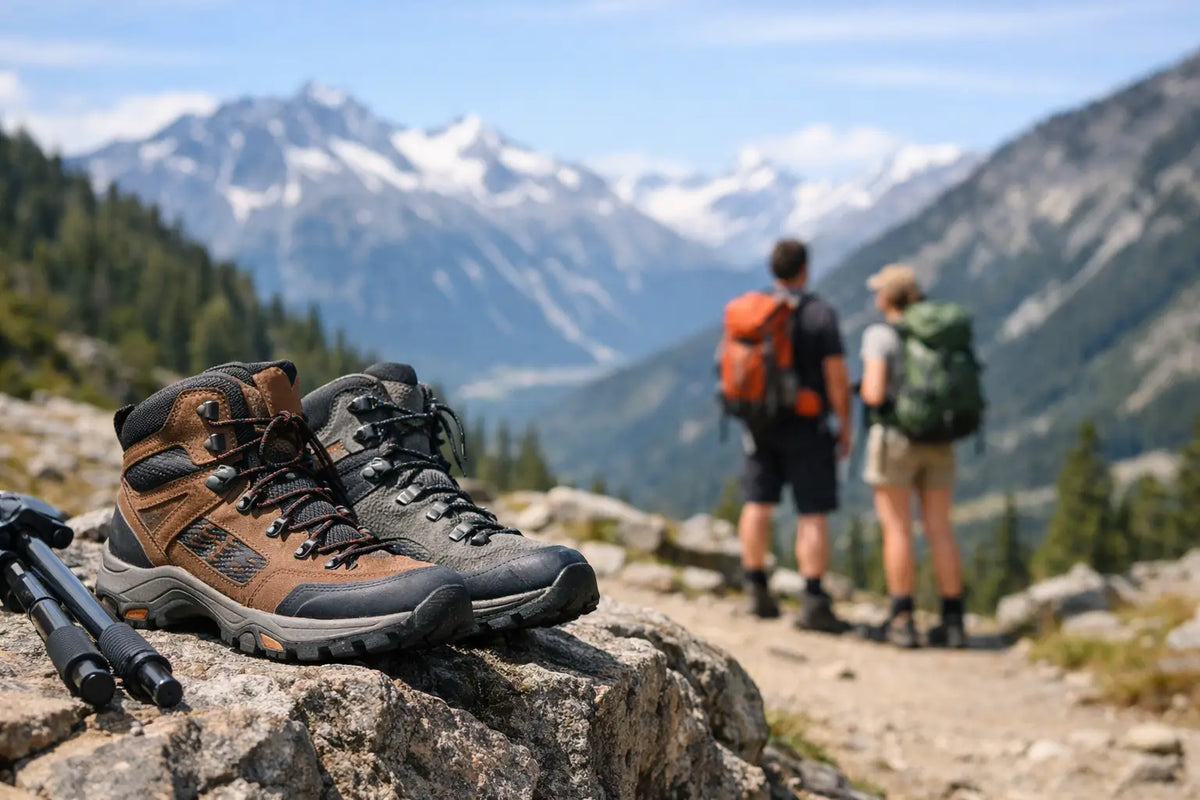
A useful hiking boots review starts where every hike starts: with the ground under your feet. A boot that feels secure on a rocky incline, keeps its grip in loose dirt, and still feels comfortable after several miles can make a day outside far more enjoyable. The right choice is not always the tallest, stiffest, or most expensive boot. It is the one that matches your terrain, pack weight, weather, and foot shape.
For weekend campers, anglers walking uneven banks, and hikers building a dependable outdoor kit, boots deserve the same practical attention as a shelter, sleeping system, or rain layer. A good pair protects your feet and helps you move with confidence. A poor fit can turn a short trail into a string of hot spots, sore arches, and blisters.
What a Hiking Boots Review Should Measure
Product descriptions can tell you whether a boot has a waterproof membrane, leather upper, or lugged outsole. Those details matter, but they do not tell the whole story. When comparing hiking boots, focus on how those features work together during the kind of trips you actually take.
Fit comes first. Your heel should stay planted when walking uphill, while your toes need enough room to avoid hitting the front of the boot on descents. Many hikers need a little extra space in the toe box compared with everyday shoes, especially if they wear thicker socks or hike in warm weather when feet can swell. Try boots on later in the day if possible, when your feet are closer to their trail-day size.
Support is next. A low-cut hiking shoe can be a smart choice for maintained trails, light daypacks, and hikers who prefer a flexible stride. Mid-height boots add ankle coverage and can help keep debris out. Taller, more structured boots are often better for rough ground, long days, heavier loads, or hikers who want a firmer platform underfoot. Height alone does not guarantee stability, though. A secure heel, supportive midsole, and outsole that stays planted are just as important.
Traction should match the surfaces you expect. Deep, widely spaced lugs are useful in mud, loose soil, and wet grass because they shed debris better than a shallow tread. Firmer rubber often wears longer on abrasive rock, while stickier compounds can provide more confidence on slick stone but may wear faster. There is always a trade-off, so think about your regular terrain instead of choosing by tread depth alone.
Waterproof Boots vs. Breathable Boots
Waterproof hiking boots are a practical choice for wet grass, muddy trails, shallow stream crossings, chilly rain, and shoulder-season camping. A membrane-lined boot can keep feet dry longer when the water stays below the collar. It also adds a layer of protection from wind and cold, which matters during spring and fall trips.
The trade-off is reduced ventilation. Waterproof boots can feel warmer during humid summer hikes, and once water enters over the top, they usually dry more slowly than a non-waterproof model. If most of your miles happen on dry, hot trails, a breathable hiking shoe or boot may keep your feet more comfortable. For many US hikers, the answer is to own one weather-ready waterproof pair for wet conditions and one lighter option for warm-weather walking.
Do not treat waterproofing as a reason to ignore trail conditions. Standing water, deep creek crossings, and rain that runs down your legs can overwhelm any boot. Gaiters, quick-drying socks, and a spare pair in the vehicle or camp bin are useful parts of a wet-weather setup.
Upper Materials Affect Feel and Maintenance
Full-grain leather boots typically offer excellent durability, weather resistance, and structure. They are a strong fit for rugged trails, work around camp, and heavier packs, but they may require more break-in time and regular conditioning. Nubuck and suede leather can provide a softer feel while still holding up well outdoors.
Synthetic uppers are generally lighter, dry faster, and need less maintenance. They can be a great value for casual hikes, family camping trips, and people who want comfort without a long break-in period. They may not last as long as a well-maintained leather boot under hard use, but that depends on construction quality and how often you hike.
Mesh panels improve airflow and reduce weight, especially on hiking shoes. They are less protective against brush, sharp rocks, and cold rain, so they are best suited to dry, maintained routes rather than all-season backcountry travel.
Fit Checks Before You Commit
A hiking boot can have the right specifications and still be wrong for your foot. Wear the socks you plan to hike in when trying on boots. Walk on an incline if the store provides one, or at minimum spend several minutes walking indoors before deciding.
Look for four basic signs of a good fit:
- Your heel lifts only minimally when you walk uphill.
- Your toes do not touch the front when you walk downhill.
- The widest part of your foot aligns with the widest part of the boot.
- There are no pressure points across the instep, ankle bones, or little toe.
Lacing makes a bigger difference than many people expect. A heel-lock lacing technique can reduce heel movement on climbs, while easing tension across the forefoot can relieve pressure on long hikes. Test these adjustments during your break-in walks, not for the first time at a trailhead.
Cushioning, Insoles, and Load Carrying
Soft cushioning feels great on smooth paths and shorter hikes, but very soft midsoles can feel less stable on rocky terrain or when carrying a loaded pack. Firmer boots tend to protect your feet from sharp ground and provide better support under weight, though they can feel less flexible at first.
Consider the total load you carry. A day hiker with water, snacks, and a light jacket may be comfortable in a flexible hiking shoe. Someone carrying a tent, sleeping bag, stove, food, and water for an overnight trip may appreciate a more supportive boot with a shank or rock plate. The boot does not need to feel like a work boot, but it should not collapse or twist easily under the demands of your typical trip.
Aftermarket insoles can improve arch support, heel stability, and overall comfort. They are especially useful when a boot fits well in length and width but lacks the support your feet need. Replace the factory insole only after testing the boot, since a thicker insert can change available volume and make a previously comfortable fit feel tight.
Break In New Boots Before a Big Trip
Even comfortable boots need a trial period. Start with short walks around the neighborhood, then progress to local paths with the socks and pack weight you expect to use outdoors. Check your feet after each outing for rubbing or tender areas. Small problems are easier to solve with lacing changes, sock adjustments, or different insoles before they become trail-day blisters.
Leather boots often require more gradual break-in than synthetic models. Do not try to speed up the process by soaking boots, using high heat, or taking them straight on a demanding overnight hike. Clean them after muddy outings, let them air dry away from direct heat, and reapply appropriate water-repellent treatment when water no longer beads on the upper.
Choose for Your Actual Adventures
The best boot for a paved nature walk is different from the best boot for wet forest trails, steep mountain switchbacks, or a long weekend at camp. Start with the conditions you face most often, then choose enough protection and support for the hardest trips you realistically plan to take.
Build your footwear around comfort, traction, and dependable fit, then add waterproofing, material, and structure based on the season and terrain. When your boots are ready for the trail, you can put more attention where it belongs: the route ahead, the gear in your pack, and the time outside with the people you brought along.
Shop this guide


Compare all 48 shop all water gear →
Free shipping on all orders within the United States.