
Outdoor Patio Heater for Camping Safety Guide
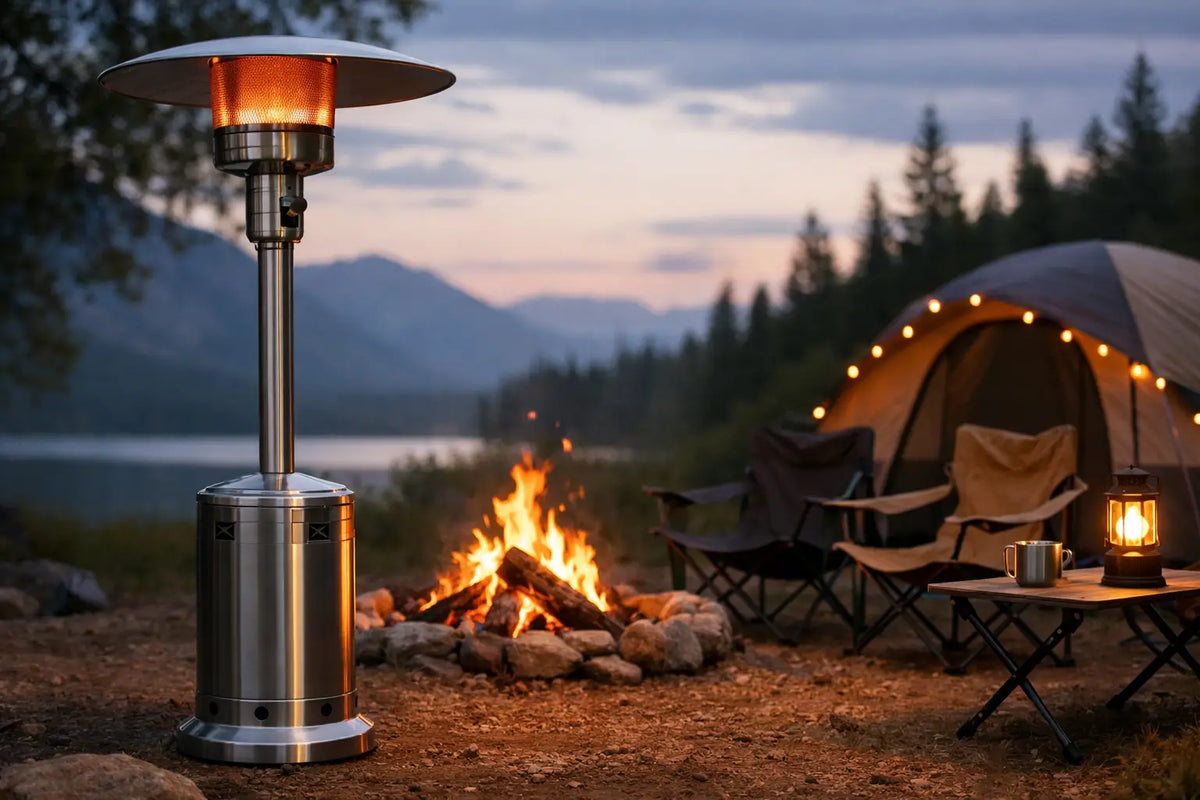
A cold campsite can turn a relaxed evening into an early retreat to the tent. An outdoor patio heater for camping can make a group site more comfortable after sunset, especially during shoulder-season trips, but it is not a piece of gear to place anywhere and light without a plan. The right heater needs enough output for an open gathering area, a stable footprint on uneven ground, and a setup that keeps flame, hot surfaces, fuel, and carbon monoxide risks under control.
For most campers, the goal is not to heat the entire site. It is to create a warmer place to cook, eat, play cards, or wind down before bed. That distinction helps you choose a practical heater instead of bringing a bulky patio unit that is difficult to transport and poorly suited to campground conditions.
Is an Outdoor Patio Heater for Camping a Good Fit?
A patio heater works best at a drive-in campsite, RV site, cabin patio, tailgate-style camp setup, or other location where you have level ground, open air, and room in the vehicle. It is less practical for backpacking, canoe camping, or sites where every item must be carried far from the car. Even a compact propane heater can add meaningful weight, take up cargo space, and require dedicated fuel storage.
The weather matters just as much as the heater. Radiant heaters warm people and nearby surfaces more effectively than the surrounding air, so they can feel useful on a crisp, still night. In high wind, that warmth disappears quickly and the flame may become unreliable. A windbreak can improve comfort around your seating area, but it must never block required heater clearance or trap combustion gases.
Check campground regulations before packing one. Some parks restrict open flames during fire bans, while others limit propane appliances, cylinder sizes, or the hours when quiet equipment can be used. Private campgrounds may also have rules for patios, RV pads, and shared outdoor areas.
Choose the Right Heater Style
The familiar tall, mushroom-shaped patio heater is made for a backyard deck or restaurant patio. It can heat a broad area, but its height, weight, and large propane cylinder make it a poor match for many campsites. It is prone to wind, demands generous overhead clearance, and can be awkward to secure during transport.
Portable propane radiant heaters are usually the more camping-friendly choice. Many are compact enough for a vehicle-based trip and direct heat toward a small sitting area. Look for a model intended for outdoor use, with a stable base, a protective grill, a reliable ignition system, and an automatic shutoff feature if it tips over or detects low oxygen. Safety features help, but they do not make an outdoor heater safe for enclosed spaces.
Electric patio heaters can be useful at RV sites with dependable shore power. They eliminate fuel handling and combustion emissions at the heater, but you need to confirm the circuit can handle the wattage. Use a properly rated outdoor extension cord only when the manufacturer allows it, keep connections dry, and route the cord where nobody will trip over it. A small battery power station generally will not run a high-wattage electric heater for long, so check wattage and expected runtime before relying on one.
Wood-burning fire pits and smokeless fire pits create a campfire feel, but they are not substitutes for a controlled patio heater. They produce sparks, smoke, ash, and variable heat, and they may be prohibited when propane appliances are still allowed. Choose the fuel type based on site rules, transport needs, and the kind of evening you want to have.
Match Heat Output to Your Campsite
More BTUs do not automatically mean a better camping heater. High output can make a small group comfortable in cold conditions, but it also increases fuel use and may require more clearance from chairs, tables, tent fabric, and overhead branches. For a couple sitting close together, a compact radiant heater may be enough. For a larger group spread around a picnic table, a bigger unit may help, provided the campsite has the space to operate it safely.
Think about how many people will be within the heater's effective range. Patio heaters are most useful when seating is arranged close enough to share radiant warmth. If everyone is scattered across a large site, the heater will burn fuel without making anyone particularly comfortable.
Bring warm layers anyway. A heater should extend outdoor time, not replace insulation, dry socks, gloves, or a weather-ready sleeping system. Once you go to bed, rely on a properly rated sleeping bag and sleeping pad rather than any heat-producing device inside the tent.
Fuel planning without overpacking
Check the heater's stated fuel consumption and plan for the coldest conditions you expect. Propane output and pressure can drop in low temperatures, and a partly used cylinder may not last as long as you assume. Bring the correct fuel size for the heater, plus a backup only when your trip length and storage space justify it.
Transport propane cylinders upright, secured against movement, and away from direct sun or excessive heat. Never leave them loose in a hot vehicle. Inspect the valve, hose, and regulator before each trip. If you smell gas, hear hissing, or see damaged seals, turn off the supply and do not light the heater.
Set Up the Heater for Safe Camp Use
Place the heater on firm, level, nonflammable ground. Avoid dry grass, loose pine needles, tent footprints, deck surfaces not approved for the heater, and spots where the base can sink or tilt. Keep it well away from tents, canopies, awnings, vehicles, coolers, camp chairs, firewood, and anything that can melt or ignite.
Use the manufacturer's clearance requirements as the minimum, not a suggestion. Pay special attention above the heater. Low tree limbs, pop-up canopy roofs, RV awnings, and tarp shelters can be closer than they look in low light. If the site does not offer a truly open location with proper clearance, skip the heater and use layers, blankets, and warm drinks instead.
Do not operate a patio heater in a tent, screen house, enclosed canopy, vehicle, trailer, garage, or any partly enclosed structure. Propane combustion can produce carbon monoxide, an odorless gas that can cause serious injury or death. Opening a tent flap or window does not make an indoor setup safe. This rule applies even if a heater is marketed as portable or includes a low-oxygen shutoff.
Keep children and pets outside the heater's hot zone. The metal housing and grill can stay dangerously hot after the flame is off. Position the heater where people will not brush against it while carrying food, moving chairs, or walking to the tent. One adult should remain responsible for lighting, fuel control, and shutdown rather than treating the heater as unattended background equipment.
Wind changes the plan
Before lighting, observe the breeze at ground level and above the campsite. Wind can push heat away from your group, interfere with ignition, and make a tall heater less stable. Never try to solve this by crowding the unit with tarps, walls, or furniture. If conditions are too windy for the heater to operate as intended, turn it off.
A weighted or wider base may improve stability, but only use accessories approved by the manufacturer. Do not improvise with rocks, bungee cords, or gear tied to the heater. Those fixes can block ventilation, create a trip hazard, or cause the unit to fall.
Use It Like a Camp Tool, Not a Campfire
Light the heater only after checking connections and clearing the area. Follow the model-specific ignition instructions, then watch the flame for a few minutes to confirm it is burning normally. Do not use it for cooking unless it is specifically designed and rated for that purpose. Do not dry clothing, warm fuel cylinders, or place blankets over the heater.
Turn it off before everyone heads to bed, before leaving the campsite, and anytime weather changes. Let the unit cool completely before packing it into a vehicle or storage bin. A short shutdown routine prevents many common camping mistakes: close the fuel supply as directed, confirm the flame is out, let surfaces cool, and store fuel separately from the heater when possible.
Adventure Cove Store customers often prepare for trips with the same mindset they use at home: choose equipment that fits the space, check the details, and keep safety margins in place. A properly selected heater can make fall camping more comfortable, but the best setup is always the one that leaves plenty of room for people, gear, and a safe path back to a warm sleeping bag.
Shop this guide


Compare all 13 sleeping bags & camp beds →
Free shipping on all orders within the United States.