
Rain Gear, Sun Hats, and UV Apparel for Outdoors
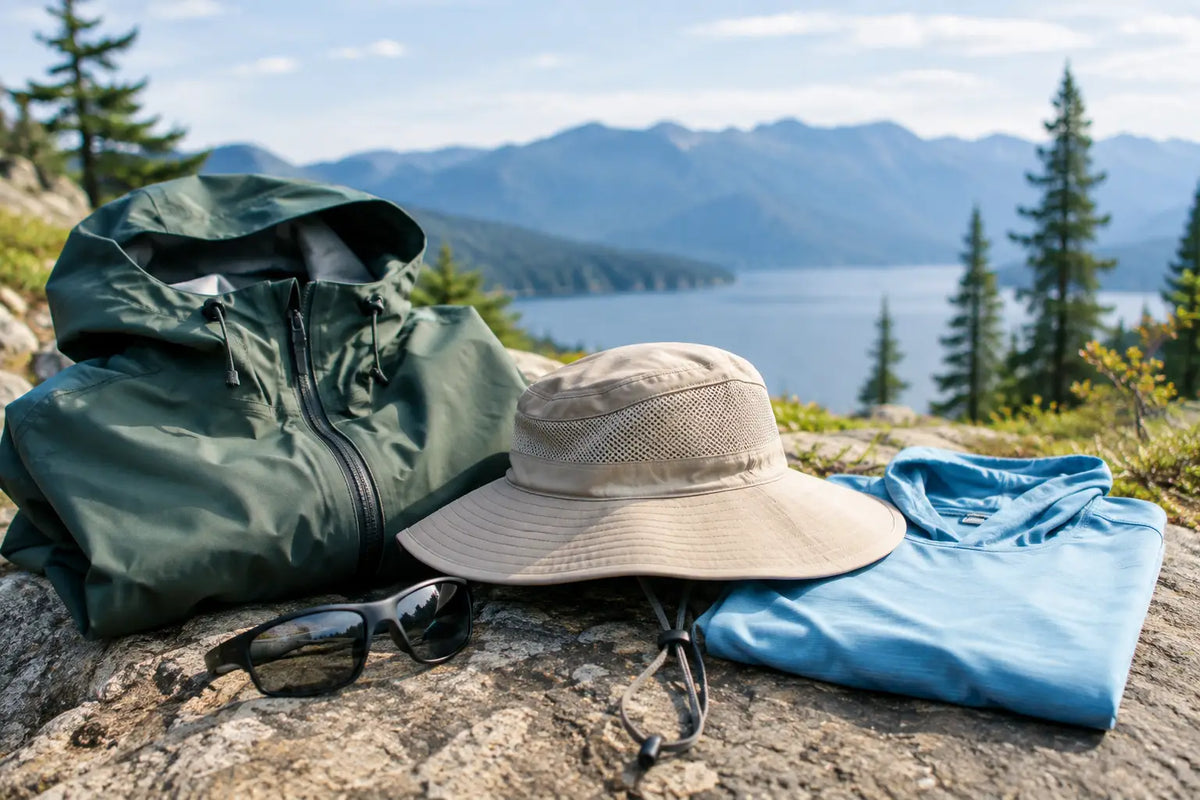
A weather app can say 70 degrees and sunny at breakfast, then leave you paddling through a surprise shower by lunch. The right rain gear, sun hats, and UV apparel keep a change in conditions from ending the day early. They also make routine jobs - walking the dog, mowing, fishing from the bank, watching a game, or loading the campsite - more comfortable.
Weather protection works best as a system, not as one item pulled from the closet at the last minute. Rain layers should block wind and water without trapping too much heat. Sun protection should cover the areas that burn first while still allowing you to see, move, and cool down. Start with the activity, the expected weather, and how long you plan to stay outside.
Build Rain Gear Around How You Move
Rain protection is not one-size-fits-all. A lightweight shell that works for a walk around the campground may feel too limited during an all-day boat trip. A heavy waterproof jacket may be excellent for cold rain but unnecessary in humid summer conditions. The useful choice is the one that matches the job.
For short walks, errands, and sudden showers, a packable rain jacket is often the most practical layer. Look for an adjustable hood, a front storm flap or water-resistant zipper, and enough room to wear a fleece or light insulated layer underneath. A longer hem is helpful when sitting on wet bleachers, driving an open utility vehicle, or moving around camp in rain.
For hiking, fishing, kayaking, and other active uses, pay close attention to mobility. Articulated sleeves, adjustable cuffs, and a cut that does not pull across the shoulders make a real difference when casting, paddling, setting up a tent, or carrying a pack. Pit zips or breathable panels can help release heat, although more ventilation features can add weight and cost.
Rain pants matter when wet brush, boat spray, or steady rain is part of the plan. Full side zippers make them easier to pull over boots. Bib-style rain gear provides more coverage for fishing and work around the property, while a simple pull-on pant is easier to pack for a trail or day trip. Check the fit with the footwear you actually use. A pant that catches on hiking boots or bunches around bike pedals will not stay in regular rotation.
Waterproof Ratings and Breathability
Product descriptions often use terms such as water-resistant, waterproof, seam-sealed, and breathable. These features are related, but they are not interchangeable.
Water-resistant clothing handles light rain and brief exposure. It can be a good choice for everyday wear, especially when low weight and easy packing matter. Waterproof gear is designed for longer or heavier exposure, and taped or sealed seams are especially valuable because stitched seams are common entry points for water.
Breathability is the trade-off to consider. A fully waterproof jacket can still feel wet inside if heat and perspiration cannot escape during hard movement. For high-output activities, choose ventilation and use layers you can add or remove. For cold, wet conditions, prioritize dependable coverage and leave room for insulation underneath.
Do not overlook footwear and hands. Waterproof boots or shoes help on muddy trails and wet docks, while rain gloves can keep fingers functional during cold-weather fishing, camp setup, or property maintenance. A jacket alone is rarely enough for extended exposure.
Choose Sun Hats and UV Apparel by Coverage
Sunburn does not require a beach day. Anglers receive reflected light off the water, hikers get exposure above tree cover, and homeowners can spend hours in direct sun without realizing it. Sunscreen remains useful, but clothing creates consistent coverage that does not need to be reapplied every two hours.
A sun hat should protect more than the top of your head. Wide brims shade the ears, face, and neck, making them a strong choice for gardening, fishing, camping, and beach use. A hat with a chin strap stays put in wind, on boats, and during active movement. For hiking or cycling, a lighter brim or cap with a neck flap may offer better visibility and less interference with a backpack or helmet.
Fit is more important than it sounds. A loose hat can blow away or shift into your eyes. A tight hat can cause pressure and discourage you from wearing it. Adjustable drawcords, internal sweatbands, and breathable mesh panels can make a hat more comfortable during long summer days.
UV apparel uses fabric to reduce ultraviolet exposure. Look for a stated UPF rating, which indicates how effectively the material blocks UV radiation. Higher UPF ratings provide stronger protection. A long-sleeve UPF shirt, for example, can be more dependable than relying on sunscreen alone across the shoulders, back, and arms.
Fabric weight affects comfort. Lightweight, moisture-wicking shirts suit hot, humid conditions and water activities. Heavier fabrics may offer more durability for repeated trail use or work around the yard. In either case, a relaxed fit often promotes airflow better than a tight layer, especially in direct sun.
Where Extra Coverage Pays Off
Certain outdoor settings call for more coverage because exposure is harder to avoid. Consider adding long sleeves, a neck gaiter, sun gloves, or a brimmed hat when you expect:
- Long hours on open water, where sunlight reflects from the surface
- High-elevation hikes, where UV intensity can increase
- All-day fishing, tournaments, or shoreline casting with little shade
- Yard work, events, and travel days that keep you outdoors longer than planned
Layer for Rain, Heat, and Changing Forecasts
The best weather-ready outfit is easy to adjust. Start with a comfortable base layer that moves moisture away from the skin. Add a UPF shirt or light long-sleeve layer for daytime sun. Keep a rain shell accessible rather than buried at the bottom of a dry bag, pack, or vehicle.
For cooler weather, add a fleece or light insulated midlayer. Avoid relying on cotton when you expect prolonged rain or cold water exposure. Cotton can hold moisture and feel cold once wet. Synthetic and wool-blend layers generally dry faster and remain more comfortable when conditions are damp.
Color can also affect how gear performs. Light colors may feel cooler in direct sun, while brighter colors improve visibility around boats, roads, trails, and campgrounds. Dark fabrics can be practical for hiding dirt, but they may absorb more heat during a midsummer outing. There is no universal right answer - choose based on temperature, activity, and visibility needs.
Pack weather protection where it is easy to reach. A rain jacket stored in a waterproof bag, a sun hat clipped to a daypack, and a spare UPF layer in the vehicle can cover many unplanned situations. For boaters and paddlers, keep essentials in a dry bag secured to the craft. For campers, reserve a spot near the tent entrance or camp kitchen so wet-weather gear does not disappear under sleeping bags and food bins.
Care That Keeps Protective Gear Working
Rain gear and UV apparel last longer when they are cleaned according to the label. Dirt, body oils, sunscreen, and bug spray can reduce breathability and affect water-shedding finishes. Use the recommended detergent, avoid fabric softener when instructed, and dry gear as directed.
If water no longer beads on the outside of a rain shell, the durable water-repellent finish may need renewal. That does not always mean the waterproof membrane has failed. Cleaning and reproofing can restore performance on many shells, helping you get more use from gear that otherwise looks worn out.
Inspect hats for crushed brims, loose straps, and worn sweatbands. Check rain jackets and pants for seam damage, zipper problems, and small punctures before a big trip. A quick check at home is easier than discovering a leak during a storm.
Whether you are packing for a weekend at the lake, organizing the truck for fishing season, or keeping a grab-and-go layer by the back door, choose protection you will actually wear. Comfortable, well-matched gear turns uncertain weather into one more part of the plan.