
Waterproof Camping Gear: 9 Picks for Wet Climates

Table of Contents
- Waterproof Camping Gear for Wet Climates: A Quick Comparison
- How We Tested and Selected This Gear
- 1. Naturehike Massif Hot Tent: Best for Cold and Wet Basecamps
- 2. PAKICETUS Inflatable Tent: Fast Setup in a Downpour
- 3. SENLEETO Glamping Tent: High Waterproof Rating for Family Trips
- 4. Naturehike Cloud Peak: Ultralight Shelter for Backpacking
- Waterproof Tent Rating Guide: What the Numbers Mean
- How to Waterproof Camping Gear: Tarps, Seams, and DWR
- Frequently Asked Questions
Last Updated: September 9, 2026
Wet climates demand a different standard from camping gear. A tent rated for a summer shower can fail catastrophically under three days of steady drizzle. This guide from Adventure Cove Store breaks down the waterproof camping gear for wet climates that actually holds up, tested against condensation, persistent moisture, and gear that never quite dries out.
Most guides treat waterproofing as a single feature. In practice, it is a system: a tent, a groundsheet, a pack, and clothing that manages your own body's moisture. Get one layer wrong and the whole setup fails. Below, we walk through the tents and accessories we trust for wet-weather camping, explain what waterproof ratings mean, and show how to maintain that protection.
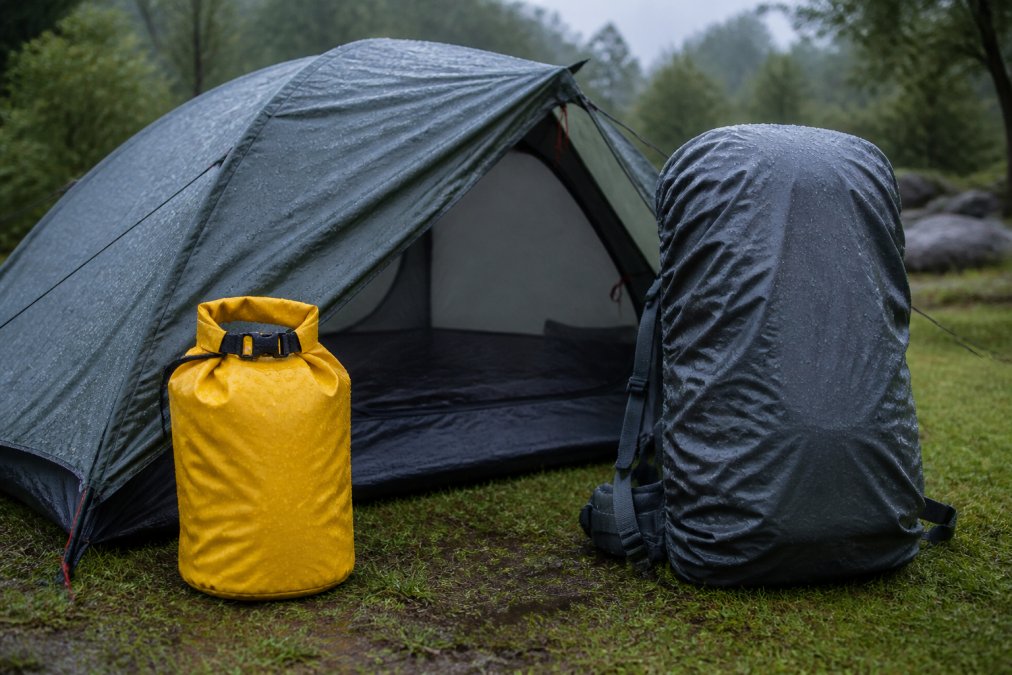
Waterproof Camping Gear for Wet Climates: A Quick Comparison
No single tent suits every wet-weather scenario. A family basecamping in a downpour needs different gear than a solo backpacker. The table below summarizes our top picks.
| Tent | Starting Price | Waterproof Rating (Outer) | Best For | Standout Feature |
|---|---|---|---|---|
| Naturehike Massif Hot Tent | $421.99 | 1500-2000 mm | Cold and wet basecamps | Stove jack for dry heat |
| PAKICETUS Inflatable Tent | $684.99 | Not specified | Quick setup in rain | Inflatable air columns |
| SENLEETO Glamping Tent | $717.99 | >3000 mm | Family trips | Highest waterproof rating |
| Naturehike Cloud Peak | $208.99 | 2000-3000 mm | Ultralight backpacking | Double-layer construction |
How We Tested and Selected This Gear
Our selection process focuses on real-world performance in coastal weather, not just spec-sheet numbers. We prioritize gear that addresses the two biggest wet-weather failures: water getting in and moisture getting trapped. Taped seams and a high hydrostatic head rating are essential, but breathability and ventilation are equally critical for managing condensation.

We also weigh the practical aspects of setup and maintenance. In a downpour, a tent that takes 20 minutes to pitch means a soaked sleeping bag. Gear that is easy to dry and simple to maintain extends its lifespan and reliability. For this list, we considered waterproof ratings, fabric quality, setup speed, and how each piece fits into a complete wet-weather system, from the National Weather Service guidance on hypothermia prevention to practical camp logistics.
1. Naturehike Massif Hot Tent: Best for Cold and Wet Basecamps
When temperatures drop and rain turns to sleet, the Naturehike Massif Hot Tent is our top choice for a dry, warm basecamp. This four-season, double-layer tent for two features a stove jack for a wood-burning stove, transforming a damp shelter into a dry haven. Drying wet clothes and gear overnight is a game-changer on multi-day trips.
Constructed from nylon with aluminum alloy poles, the Massif offers a bottom and outer waterproof index of 1500-2000 mm. Its real strength lies in managing the cold and wet combination that defeats single-wall tents. The double-layer design manages condensation, and the stove's dry heat significantly reduces interior humidity.
2. PAKICETUS Inflatable Tent: Fast Setup in a Downpour
The PAKICETUS Large Inflatable Camping Tent solves the most stressful part of wet-weather camping: setup. With no metal poles, this 4-6 person tent inflates in minutes using a hand pump, minimizing exposure to the elements. Its high-density polyester fabric and sealed stitching block rainwater effectively.

This single-layer tent is built for quick, comfortable shelter. Inflatable air columns provide stable support, and mesh ventilation windows boost cross airflow to reduce dampness. A roof window brings in natural light, and a reserved stove jack offers cold-weather heating. It is priced at $684.99.
3. SENLEETO Glamping Tent: High Waterproof Rating for Family Trips
For family trips where comfort and space are paramount, the SENLEETO Inflatable Glamping Tent offers the highest waterproof rating on our list. With an outside and bottom index exceeding 3000 mm, it shrugs off sustained, heavy rain. Its Oxford fabric and two-bedroom layout provide ample space for a family to stay dry during multi-day storms.

Its high hydrostatic head rating makes it a dependable fortress against the wettest conditions. It also features a stove jack and an AC vent for versatility. Quick automatic opening with a high-pressure pump means less setup time. At $717.99, it is a substantial investment, but the peace of mind is worth it for families in genuinely wet climates.
4. Naturehike Cloud Peak: Ultralight Shelter for Backpacking
Backpackers need to balance weight against protection, and the Naturehike Cloud Peak 2 Person Tent strikes that balance. This four-season, double-layer trekking tent uses nylon and aluminum alloy poles to keep weight down. Its bottom index exceeds 3000 mm, with an outer rating of 2000-3000 mm, offering serious protection against wet ground and driving rain.
The double-layer design is crucial for managing condensation. The inner layer breathes, allowing moisture to escape, while the outer flysheet channels rain away. At $208.99, it is the most budget-friendly shelter on this list, making it an accessible entry point for hikers who want reliable protection without the bulk of a larger tent.
Waterproof Tent Rating Guide: What the Numbers Mean
A waterproof rating, or hydrostatic head (HH), measures the water pressure a fabric can withstand before a third drop penetrates (iso.org). It is expressed in millimeters (mm) of water column height. The test method is standardized under ISO 811 (iso.org). While the number is a useful baseline, it does not tell the whole story of how a tent performs in a real downpour.
Here is how to interpret the ratings in practice:
- 1000-1500 mm: Water-resistant. This will handle a light shower but will saturate and leak under sustained rain or any physical contact with the wet flysheet from the inside. Suitable only for fair-weather car camping.
- 1500-3000 mm: The industry baseline for a three-season tent. This range handles moderate rain, but the fabric's performance degrades over time as the polyurethane (PU) coating hydrolyzes, a chemical breakdown accelerated by humidity and heat. A tent that started at 3000 mm may effectively perform at 1500 mm after three seasons of heavy use.
- 3000-5000 mm: This is the target zone for wet climates. At this level, the flysheet resists water penetration even under wind-driven rain, which can exert significantly more pressure than still rain. It also provides a safety margin as the coating ages.
- 5000+ mm: Typically found on expedition tents and high-end mountaineering shelters. This level is overkill for most camping but offers maximum durability against coating degradation.
The rating matters less than the system. A 5000 mm flysheet will still leak at the seams if they are not properly taped or sealed. Needle holes are the most common failure point. Look for factory-taped seams on both the flysheet and bathtub floor. If seam-sealing yourself, apply sealer to the interior of the seams, not the exterior, so the DWR finish remains intact.
Fabric type also influences real-world performance. Polyester flysheets absorb less water than nylon, so they sag less when wet. Nylon is stronger for its weight but can stretch and droop, creating pockets where water pools. A taut pitch sheds water more effectively than a sagging one. Silnylon and silpoly do not absorb water, but their seams cannot be taped with standard PU tape, so they require liquid seam sealant.
A note on 'waterproof' vs. 'water-resistant' floors. The bathtub floor rating is arguably more important than the flysheet rating in a wet climate. Groundwater pressure can push water up through the floor. A floor rated below 3000 mm will eventually wick moisture. For wet climates, prioritize a floor rating of 5000 mm or higher, and always pair it with a footprint to protect against abrasion, the leading cause of floor leaks.
How to Waterproof Camping Gear: Tarps, Seams, and DWR
Most wet-weather camping guides stop at the trailhead. They never explain what happens after you return home, precisely when mold and mildew do their worst damage. A tent packed away damp for even 48 hours can develop a musty odor, and fungal growth can degrade the PU coating, permanently reducing its waterproof rating. This section covers the full maintenance cycle.
Field-Level Waterproofing: Tarps and Seam Sealers
Before you leave, set up a tarp system to create a dry work area. A large, lightweight tarp (at least 10x10 feet for a two-person tent) strung at a 30-45 degree angle provides a covered staging area. Pitch it so water runs off away from your tent door. Use a ridgeline between two trees and stake the corners at an angle for a taut, shed-style pitch.
For seam sealing, the most common leak point is the interior stitching on the flysheet and bathtub floor corners. Use a solvent-based seam sealer (not water-based, which peels off PU-coated fabrics) and apply it in a thin, even bead along the interior seam line. Let it cure for at least 12 hours. Do not apply sealer to the exterior, it will interfere with the DWR finish.
The Post-Trip Drying Protocol
This step separates gear that lasts five years from gear that lasts one. The protocol is simple but non-negotiable:
- Rinse immediately. Before leaving the campsite, shake off loose dirt. At home, set up the tent and rinse the flysheet and floor with a garden hose. Use a soft brush and a mild technical cleaner (like Nikwax Tech Wash or diluted pH-neutral soap) to remove body oils, insect repellent, and sunscreen, all of which degrade DWR and PU coatings.
- Dry completely, twice. After rinsing, let the tent air dry for at least 24 hours in a shaded, well-ventilated area. Then flip it inside out and dry the interior for another 12 hours. A tent that feels dry can still harbor moisture in the taped seams.
- Treat DWR before storage, not after. If the flysheet no longer beads water, apply a spray-on DWR treatment while the fabric is still damp. Spray evenly from about 6 inches away, then let it cure for 24 hours. Do not store the tent immediately, the chemicals need time to bond.
- Store loose, not compressed. Never store a tent in its stuff sack long-term. Compression creases the fabric and stresses the PU coating. Store it in a large cotton or mesh sack in a cool, dry closet. The same rule applies to rain jackets: hang them, do not stuff them.
Restoring Waterproofing on Jackets and Packs
For rain jackets and pack covers, the DWR finish wears off fastest at the shoulders and hood. To restore it, first wash with a technical cleaner. Then apply a spray-on DWR treatment while the fabric is damp. For down jackets, use a down-specific wash and DWR spray. For hard-shell jackets, check the interior seam tape for peeling, if lifting, re-iron with a warm (not hot) iron over a thin cloth, or take it to a repair shop.
The Mold Remediation Rescue
If you discover mold on a tent or jacket, visible dark spots or a musty smell, act fast. Mix warm water and a quarter-cup of white vinegar per gallon (do not use bleach, which degrades PU coatings). Wipe affected areas with a soft cloth, rinse thoroughly, and dry completely in direct sunlight, which kills remaining spores. For persistent odors, a specialized treatment like Gear Aid Revivex Odor Eliminator can help. After remediation, re-treat the DWR and seam seal.
Frequently Asked Questions
What is a good waterproof rating for a camping tent?
For wet climates, look for a hydrostatic head rating of at least 1500 mm for the rain fly. A rating of 2000 mm to 3000 mm, like the Naturehike Cloud Peak offers, provides better protection for heavy, persistent rain. The floor should be rated higher, typically above 3000 mm, to resist ground moisture. Higher numbers mean the fabric can withstand more water pressure before leaking.
How do you keep your sleeping bag dry in a wet tent?
Condensation is your main enemy inside a tent. Use a waterproof dry bag for your sleeping bag, like the 2L or 5L PVC options, even inside the tent. Set up your sleeping area away from the tent walls to avoid contact with condensation. Ensure your tent has proper ventilation to allow moist air to escape, and always use a groundsheet or footprint to block ground moisture.
What is the best way to waterproof camping gear at home?
Start by cleaning your gear with a technical cleaner to remove dirt that blocks absorption. For tents and jackets, apply a DWR (Durable Water Repellent) spray or wash-in treatment to restore the water-shedding surface. Re-seal the seams with a seam sealer where the factory tape has peeled. Pay special attention to the tent floor and the rain fly. Always let gear dry completely before storing it.
What is the most essential waterproof accessory for camping?
Dry bags are the most essential waterproof accessory. They provide a reliable barrier for clothing, electronics, and sleeping bags, protecting your critical items from rain, splashes, and accidental submersion. A waterproof backpack with an integrated rain cover, such as the 60L Naturehike option, adds another layer of defense for carrying all your gear between camp and your vehicle.