
Best Camping Gear for Beginners: Essential Kit Guide
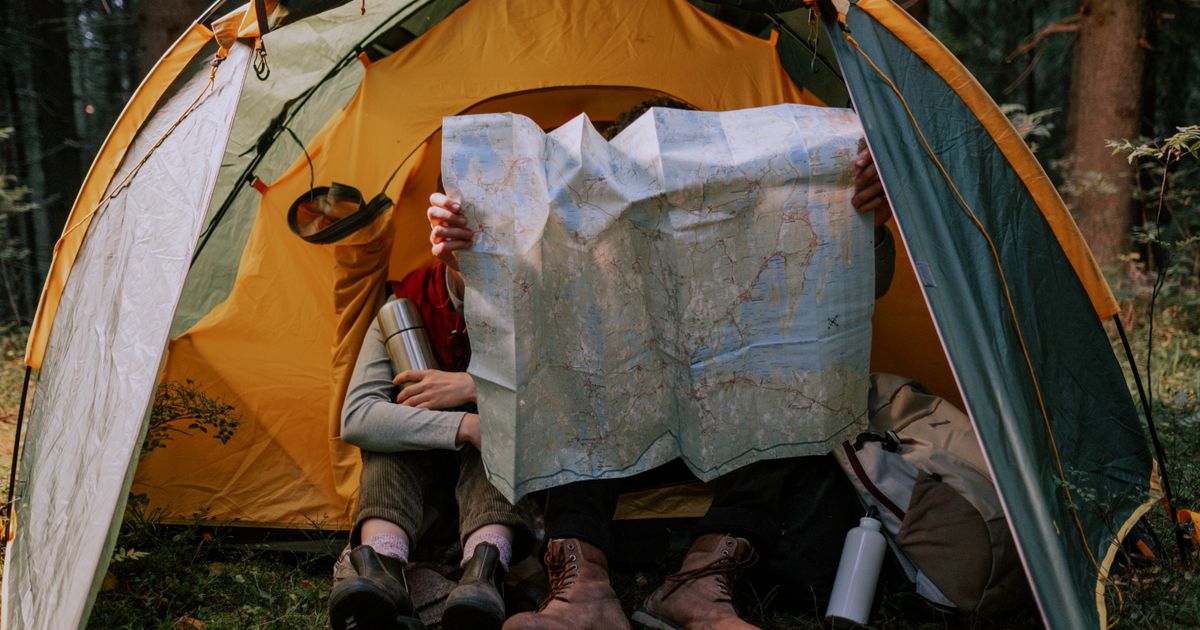
So you're thinking about camping for the first time. That's awesome. But figuring out what gear you actually need (and what's just hype) can feel overwhelming. Here's the honest truth: Adventure Cove Store knows that the best camping gear for beginners isn't about buying everything at once. It's about investing in the stuff that keeps you safe, warm, and fed in the backcountry.
Let's break down exactly what you need to pack before your first trip.
In this article
- Start With Shelter: Your Tent Is Non-Negotiable
- Sleep System: Sleeping Bag and Pad (Don't Skip the Pad)
- Cook Your Food: Mess Kits and Cookware You'll Actually Use
- Clothing: Moisture-Wicking Over Cotton, Always
- Light Up the Night: Headlamps and Lanterns
- Safety Essentials: First Aid and Bug Protection
- Comfort Gear: Camp Chairs and Other Conveniences
- The Pre-Trip Checklist: Don't Forget the Obvious
- Getting Started: Build Your Kit Piece by Piece
Start With Shelter: Your Tent Is Non-Negotiable
A good tent is foundational. This isn't the place to cheap out or borrow something sketchy from a friend's garage.
Your tent needs to do three things: keep rain out, keep bugs out, and give you space to move around. For beginners, look for a 3-season tent (spring, summer, fall). They're lightweight, affordable, and handle most conditions you'll encounter.
Size matters too. A two-person tent is tighter than you think—it's really one person plus gear. If you're camping with a partner, go for a three-person or four-person model. You'll actually enjoy yourself.
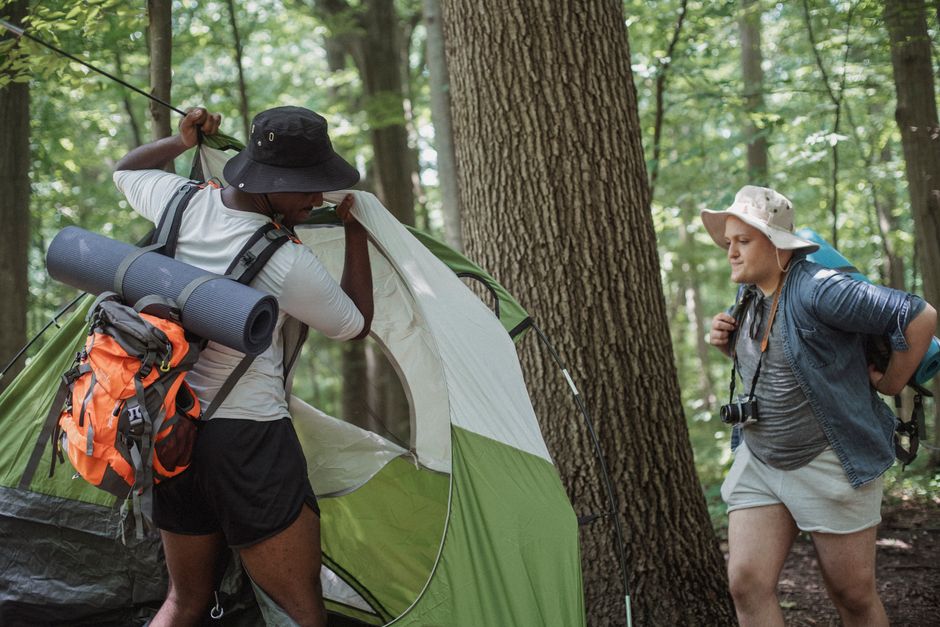
Pro tip: set up your tent in your backyard before the trip. You don't want to figure out poles and zippers in the dark after a long drive.
Sleep System: Sleeping Bag and Pad (Don't Skip the Pad)
This is where people mess up. A tent keeps weather out. Your sleeping bag keeps your body warm. But the ground? That sucks heat out of you faster than anything else.
A sleeping pad (foam, inflatable, or hybrid) goes between you and the ground. It insulates you and makes sleeping way more comfortable. Seriously, don't skip it.
For your sleeping bag, the temperature rating is everything. Check the average low temperature for where you're camping, then pick a bag rated 10-15 degrees lower. If it's 50 degrees at night, get a bag rated for 35-40 degrees. You want to be warm, not shivering at 2 AM.
If you're not sure about sleeping bag weight or fill type yet, that's okay. Just get something rated for your climate and move on.
Cook Your Food: Mess Kits and Cookware You'll Actually Use
This is the gear beginners forget most often. You get excited about the tent and sleeping bag, then show up at camp without a way to cook.
A basic camping mess kit (pots, pans, utensils, plates) solves this. Look for lightweight stainless steel or aluminum. Nonstick coatings are nice but not required.
You also need a camp stove (portable propane or butane) and fuel. A lightweight option is a single-burner canister stove—cheap, reliable, and easy to pack.
Don't forget the mug. Seriously. Coffee or tea around a campfire is half the point of camping. Bring a metal camping mug or durable travel mug.
Related: Best Portable Camping Stoves 2026: Top 5 Ranked & Reviewed
When you're ready to fill your kitchen setup, check out what Adventure Cove Store stocks for cooking gear. Having quality cookware makes camp meals actually enjoyable instead of a chore.
Clothing: Moisture-Wicking Over Cotton, Always

This is a hard rule. Cotton holds moisture. When you're sweaty or wet, cotton keeps that moisture against your skin, and you get cold fast.
Wear moisture-wicking base layers (merino wool or synthetic blends). Pack quick-dry T-shirts. Bring one warm insulating layer like a fleece jacket.
Add a waterproof or water-resistant shell jacket for rain. A warm hat matters too, especially if temps drop at night.
The goal? Stay dry. Dry skin + dry clothes = you're comfortable and safe.
Light Up the Night: Headlamps and Lanterns
Darkness at camp is real and it sneaks up on you. You need at least one headlamp per person. Hands-free light means you can cook, walk to the bathroom, or set up gear without fumbling around.
A camping lantern for your tent or picnic table creates light and ambiance around camp. It's a nice-to-have that turns a camping trip from functional to actually pleasant.
Safety Essentials: First Aid and Bug Protection
Carry a first aid kit. Blisters, small cuts, and insect bites happen. You want to handle them fast.
Related: Best Camping Comfort Essentials Checklist for Your Next Trip
Bug spray is essential depending on where you camp. The CDC recommends bug sprays with DEET, picaridin, or oil of lemon eucalyptus for mosquito protection. Bugs can ruin a trip, so don't skip this.
Comfort Gear: Camp Chairs and Other Conveniences
Once you've got shelter, sleep, and food covered, add comfort. A camp chair (lightweight and packable) means you can sit and relax around the fire instead of standing or sitting on rocks.
A camping lantern doubles as a nightlight in your tent. Multi-tools are handy. A small towel. Sunscreen. Ziplock bags for trash.
These items seem small but they make your trip feel less like survival and more like an actual adventure.
The Pre-Trip Checklist: Don't Forget the Obvious
Before you leave home, make a list. Write down everything: tent, sleeping bag, pad, stove, fuel, food, cookware, utensils, plates, water bottle, headlamp, first aid, bug spray, clothing.
Cooking gear gets left behind all the time because it's not as "exciting" as a new tent. But you gotta eat. Check your list twice.
When you're gearing up for your first trip, browse Adventure Cove Store to see what fills the gaps in your kit. Having reliable gear from the start makes camping less stressful and way more fun.
Getting Started: Build Your Kit Piece by Piece
You don't need to buy everything at once. Start with a solid tent, sleeping bag, and pad. Add cookware next. Then fill in the rest as you figure out what you actually need.
The best camping gear for beginners is gear you'll use, not gear that looks cool. Buy practical. Buy quality. Buy once.
Your first camping trip should feel like an adventure, not a stress test. With the right foundation, it will be.
What's the most important camping gear for beginners?
Your tent, sleeping bag, and sleeping pad. These three items keep you dry, warm, and safe. Everything else is supporting gear. Get these right and your trip is 80% successful already.
Can beginners use a hammock instead of a tent?
Yes, if conditions are right and you know what you're doing. Hammocks are lightweight and fun, but they require a good underquilt or sleeping pad below you (not just inside) to stay warm. For your first trip, stick with a tent. It's simpler and more forgiving.
How much should I spend on beginner camping gear?
You can start with quality basics for $400-600 (tent, sleeping bag, pad, stove, cookware). You don't need premium brands. You do need gear that won't fail you in the field. Spend smart, not expensive.
Is a sleeping pad really necessary?
Yes. The ground pulls heat from your body constantly. Without a pad, even a warm sleeping bag won't keep you comfortable all night. Pads are cheap insurance against a miserable experience.
Shop this guide


Compare all 13 sleeping bags & camp beds →
Free shipping on all orders within the United States.