
Best Camping Comfort Essentials Checklist for Your Next Trip
In this article
- Camping Comfort Essentials Checklist: Pack Smart, Sleep Better
- Core Shelter and Sleep System
- Lighting and Nighttime Safety
- Kitchen Gear and Cooking Essentials
- Water and Hydration Systems
- Safety Essentials: First Aid and Fire Starting
- Clothing, Footwear, and Sun/Bug Protection
- Tools, Repair Items, and Hygiene Essentials
- Strategic Packing: Organize by Bag
- Build Your Checklist, Then Test It
- Frequently Asked Questions
Camping Comfort Essentials Checklist: Pack Smart, Sleep Better
You're ready to get outdoors, but you want to actually enjoy your time in the wilderness. That's where a solid camping comfort essentials checklist changes everything. The difference between a miserable trip and an amazing one often comes down to preparation. When you know exactly what you need before you leave, you arrive at camp relaxed, not scrambling.
The challenge most new campers face is not knowing what "comfort" actually means in the backcountry. Is it a pillow? A hot meal? Dry socks? The answer is yes to all of it. But there's a smarter way to think about it. Comfort in camping is really about being warm, dry, fed, hydrated, and safe. When those five things are handled, everything else falls into place.
Related: Best Portable Camping Stoves 2026: Top 5 Ranked & Reviewed
Related: Best Horseback Camping Trip Outfitters 2026: Top 5 Ranked
Related: Best Hunting & Camping Equipment 2026: Top 5 Ranked
This checklist is built on that foundation. We've organized camping comfort into six major equipment categories, so you can pack methodically and never wonder if you've forgotten something critical. Whether you're planning a weekend in the mountains or a week on the water, this framework works for trips of any length.
Core Shelter and Sleep System
Your tent, sleeping bag, and sleeping pad are non-negotiable. They're not optional upgrades; they're the foundation of every comfortable night in the wilderness. If you mess these up, no amount of other gear will save you.
Start with a tent that matches your trip. A four-person tent gives you room to move, dry gear inside, and protection from wind and rain. Look for one with a vestibule (that little entry porch) because it keeps mud, gear, and critters out of your sleeping space. Waterproof construction is essential, even if rain isn't in the forecast. Weather changes fast outdoors.
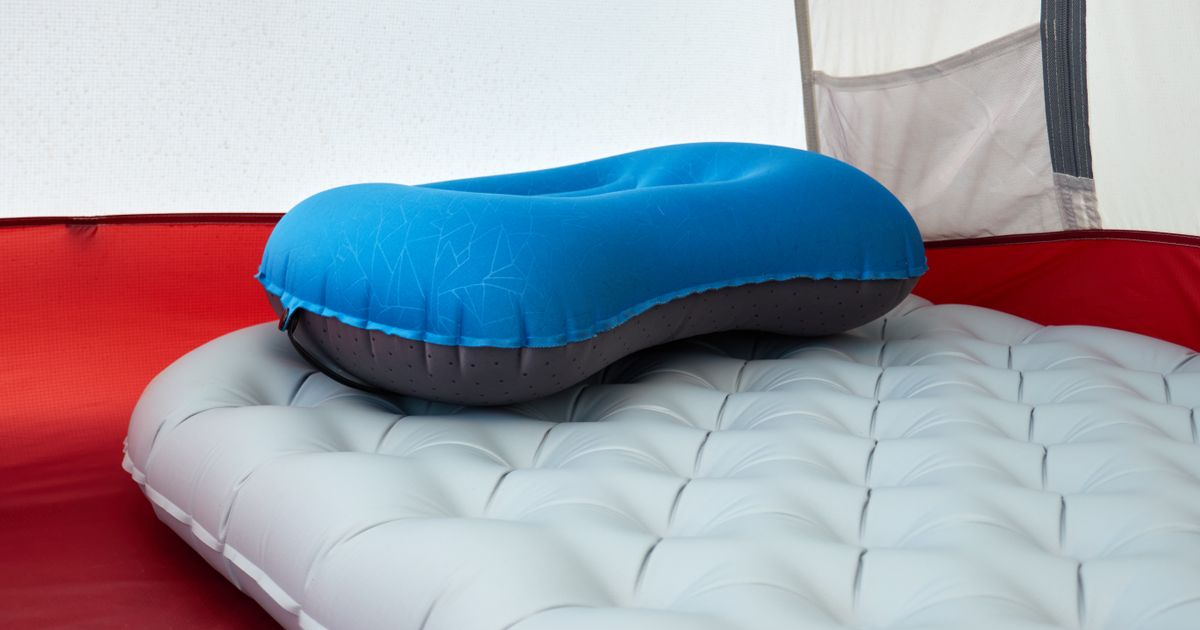
Your sleeping bag should be rated for the lowest temperature you expect to encounter. If the forecast says lows of 45 degrees, get a bag rated for 40. That buffer keeps you warm if temperatures drop faster than predicted. Pair it with a sleeping pad that insulates you from cold ground. Ground cold is real; it can make even a good bag feel useless if there's nothing between you and the frozen earth.
Layer your sleep system with intention. Pack sleeping clothes separate from your daytime clothes. Include a warm beanie and extra socks. A lightweight liner inside your sleeping bag adds warmth and keeps the interior clean. When you're done with your tent setup at Adventure Cove Store, you'll have options like the Night Cat 4 Person Pop Up Camping Tent that makes setup instant and your sleep space truly comfortable.
Lighting and Nighttime Safety
A headlamp is not a luxury. It's a safety tool that lets you navigate camp, cook meals, use the bathroom, and find things in your tent without disturbing others or wasting phone battery. USB-rechargeable options mean you can top up power at camp if you have a portable power source.
Keep your headlamp in an easy-access pocket of your pack so it's never more than a second away when the sun goes down. Low-battery warnings are real; check it before you leave home and again before dusk. The WUBEN Multi-Color Magnetic EDC G5 Flashlight offers 400 lumens of brightness and USB-C charging, making it ideal for camping and hands-free illumination around your site.
Kitchen Gear and Cooking Essentials

A hot meal transforms a camping day. Cold sandwiches and energy bars keep you going, but nothing settles you into camp like warm food and a hot drink. Your camp kitchen doesn't need to be fancy, but it needs to work.
Related: Best Camping Gear for Beginners: Essential Kit Guide
Pack a lightweight camp stove and fuel appropriate for your trip length and expected temperatures. Fuel performance drops in cold, so plan accordingly. Bring a lighter and a fire starter as backup. Even if your stove fails, you can still cook over a campfire or at least boil water.
Include basic utensils: a spoon, fork, and knife that doubles as a camp tool. A scrubber and biodegradable soap let you clean dishes without contaminating water sources. Pack only what you'll use. A single pot can boil water and cook a simple meal. A single pan handles breakfast.
Food planning matters more than you think. Pack meals that match your cooking ability and your camp setup. Instant rice, dehydrated vegetables, and canned proteins are reliable. Bring enough snacks so you're never truly hungry between meals; hunger and cold are a dangerous pair that makes everything feel harder.
Water and Hydration Systems
Dehydration sneaks up on you in the wilderness. You're more active, the air is often drier, and you forget to drink because you're focused on hiking or setting up camp. A water bottle is your constant companion. One liter minimum per person, but two liters is smarter.
If you're camping near a water source, bring a lightweight water filter or purification tablets so you can refill without carrying everything. If you're in an established campground with a water spigot, that simplifies things. But don't assume water is available; always confirm before you plan your trip.
Keep water accessible, not at the bottom of your pack. A water bottle on your pack's hip belt or in a side pocket takes seconds to grab. Sip throughout the day, not just when you're thirsty. Thirst is already a sign of early dehydration.
Safety Essentials: First Aid and Fire Starting
A first aid kit and a reliable fire starter are non-negotiable safety items. Blisters, minor cuts, and headaches happen. A basic first aid kit handles them before they become trip-enders.
Your fire starter should be multiple tools: waterproof matches, a lighter, and ideally a fire steel or wet-weather fire starters that work when everything is damp. Fire is warmth, light, and morale. It also means hot water for meals and cleaning.
Know how to use what you bring. Test your fire starter at home. Know how to assemble and deploy your first aid kit. Practice setting up your tent in daylight before dark falls at camp. Comfort comes from confidence, and confidence comes from preparation.
Clothing, Footwear, and Sun/Bug Protection

The right clothes keep you comfortable and safe. Layer with moisture-wicking base layers under insulating mid-layers under a wind and water-resistant outer layer. Your feet matter more than most people think. Bring two pairs of socks: one for hiking, one clean and dry for camp and sleeping.
Hiking boots or shoes should be broken in before your trip. Blisters ruin camping faster than almost anything else. A pair of lightweight camp shoes or sandals gives your feet a break around the tent.
Sun protection is essential even when it's cloudy. UV rays penetrate clouds and bounce off water and snow. Sunscreen, a wide-brimmed hat, and sunglasses protect your face and eyes. A lightweight sun hoodie with UPF protection keeps your arms and shoulders covered without the bulk of heavy outerwear.
Bug protection depends on your destination and season. In summer near water, insect repellent is a camping essential. Some people prefer physical barriers like a mosquito head net; others rely on topical repellent. Know what you'll face and pack accordingly. Itching at night keeps you awake as effectively as cold does.
Tools, Repair Items, and Hygiene Essentials
Pack a small multi-tool with pliers, a blade, and a bottle opener. Include duct tape wrapped around a card to save space. A repair kit for your tent (patches and adhesive) can mean the difference between a night in the rain and a night in a dry shelter.
Hygiene items keep you healthy and comfortable. Toilet paper and a small trowel let you follow leave-no-trace practices. Hand sanitizer and biodegradable soap handle washing before meals. Toothbrush, toothpaste, and a small towel round out the basics. Feminine hygiene products (if relevant to your group) and any personal medications are essential. Don't skip these thinking roughing it means being dirty; good hygiene prevents infection and illness that could cut your trip short.
Strategic Packing: Organize by Bag
Here's a pro move: group related items into dedicated bags inside your pack. A stuff sack for your sleep system. A dry bag for hygiene items. A cooking bag for stove, fuel, and utensils. This system does two things: it keeps you organized, and it lets you find what you need without dumping your entire pack on the ground.
When you're planning your gear at Adventure Cove Store, invest in waterproof stuff sacks or compression bags. They protect your gear, save space, and make camp setup faster.
Build Your Checklist, Then Test It
Use this framework to build a personalized checklist for your trip. Write it down. Laminate it if you're fancy. Use it every time you pack. Over several trips, you'll refine it, removing items you never use and discovering things you wish you'd brought.
Do a practice pack in your backyard before your first trip. Set up your tent. Cook a simple meal on your camp stove. Sleep in your sleeping bag. This sounds silly, but it catches problems before you're miles from your car. Comfort comes from knowing your gear works and knowing how to use it.
Frequently Asked Questions
What temperature should my sleeping bag be rated for?
Rate your bag for the lowest temperature you expect, then go 5 degrees lower for safety. If you're camping when lows hit 40 degrees, a 35-degree bag is smart. Weather changes faster than forecasts predict, and a warm sleeping bag is non-negotiable comfort in the backcountry.
How much food should I pack for a camping trip?
Plan for three meals and snacks daily. One pound of food per person per day is a rough guideline, though it varies with activity level and food density. Dehydrated and lightweight foods let you pack more calories in less weight. Test meals at home before your trip so you know you'll enjoy them and cook them correctly at elevation or in cold.
Is a headlamp really necessary?
Yes. Even if you plan to be in your tent by dark, a headlamp handles bathroom trips, cooking delays, and emergencies. It's a safety tool and a comfort tool. USB-rechargeable versions mean you can top up power if your camp has solar capability or a portable power station.
What's the difference between a sleeping pad and just using clothes for insulation?
A sleeping pad insulates you from the ground, which pulls heat from your body faster than air. Even a warm sleeping bag loses effectiveness without a pad underneath. Ground cold is real and often underestimated. A good pad is as important to your sleep comfort as the bag itself.
Shop this guide


Compare all 13 sleeping bags & camp beds →
Free shipping on all orders within the United States.