
Best Fishing Line: Match It to Your Water
A missed hookset, a frayed leader, or a lure that will not run correctly can turn a promising morning on the water into a long ride home. The best fishing line is not one universal spool. It is the line that matches your target species, cover, water clarity, lure choice, and rod-and-reel setup.
For a quick trip to a neighborhood pond, a day in the kayak, or a planned saltwater outing, line deserves the same attention as your rod, tackle box, and safety gear. Get the basics right, and your bait performs better, bites are easier to feel, and you have a better chance of landing the fish that finally commits.
Best Fishing Line Starts With the Job
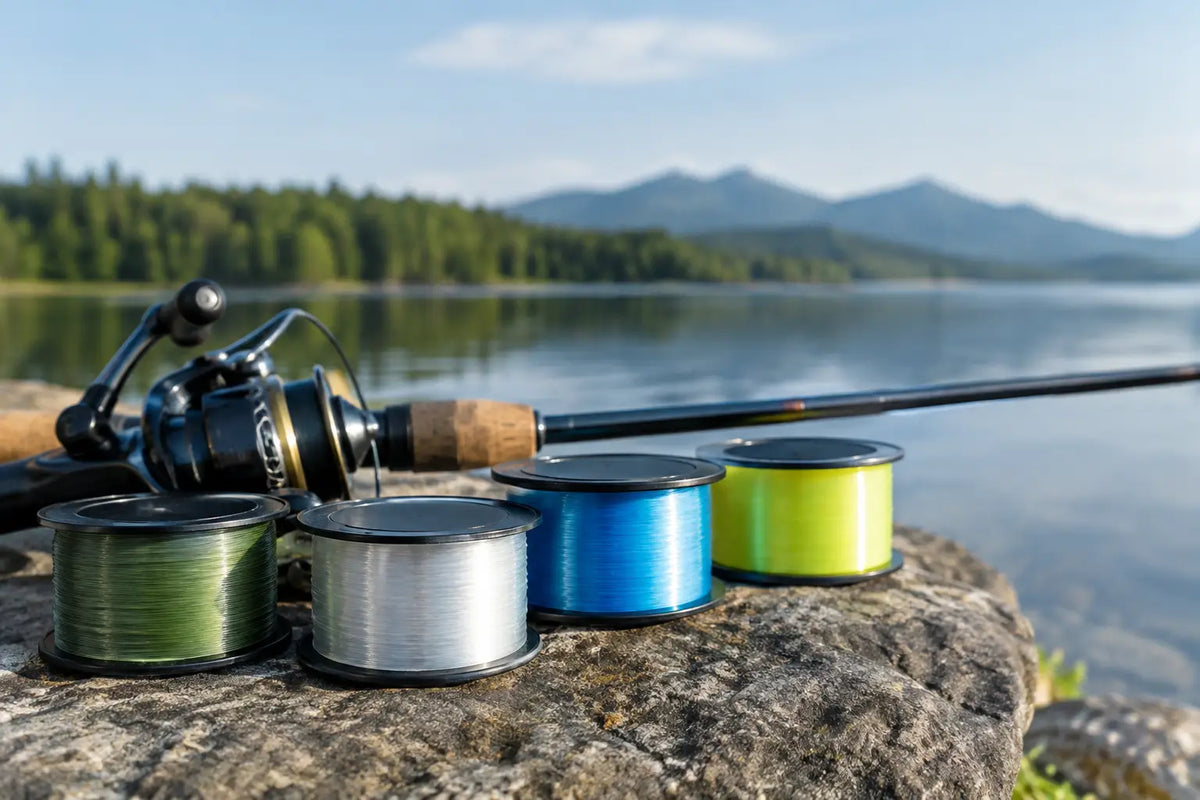
Fishing line comes in three main categories: monofilament, fluorocarbon, and braided line. Each handles differently, and each solves a different problem. Anglers often carry more than one type because conditions change from one trip to the next.
Monofilament is a practical all-around choice. It is affordable, easy to tie, and forgiving when you are learning casting control or fighting fish near the boat. Its stretch can help keep a fish pinned with treble-hook lures, especially when using moving baits such as crankbaits and spinnerbaits. Mono also floats, making it useful for topwater lures.
Fluorocarbon is valued for low visibility underwater and better abrasion resistance than standard mono. It sinks, which helps with jigs, worms, drop-shot rigs, and other presentations that need direct contact with the bottom. It has less stretch than mono, but it can be stiffer and less forgiving if your knots are rushed or poorly seated.
Braided line has a small diameter for its strength, very low stretch, and long casting potential. It is a strong choice for heavy vegetation, deep water, and techniques where immediate bite detection matters. The trade-off is visibility. In clear water or around wary fish, many anglers tie a fluorocarbon or monofilament leader to braid rather than running braid directly to the lure.
Choose Line by Species and Fishing Conditions
A line rating is not just a number on a package. It affects casting distance, lure action, knot strength, and how much pressure you can apply during a fight. Start with the fish and environment you expect to encounter.
Bass in ponds, lakes, and rivers
For general bass fishing, 10- to 15-pound monofilament works well for many moving baits and casual setups. If you are fishing clear water, rocky banks, or finesse presentations, 8- to 12-pound fluorocarbon can provide a less visible connection to your lure. For frogs, heavy jigs, and thick grass, 30- to 50-pound braid gives you the power to cut through vegetation and pull fish away from cover.
A common mistake is selecting line that is too heavy for the lure. Thick line can reduce casting distance and limit the action of small crankbaits, lightweight soft plastics, and finesse rigs. On the other hand, line that is too light can fail quickly around docks, wood, and sharp rock.
Trout, panfish, and clear-water fishing
Light line matters when fish are cautious and baits are small. Two- to 6-pound monofilament is a dependable choice for panfish, stocked trout, and light tackle fishing. It handles small spinners, floats, and live bait well. For clearer water, 4- to 6-pound fluorocarbon leader can make a difference when trout inspect a bait before committing.
Keep in mind that ultra-light line requires patience. A strong hookset or an aggressive drag setting can break it fast. Use a smooth drag, check for nicks after every fish, and avoid wrapping line around your fingers when pulling a snag free.
Catfish, carp, and hard-pulling freshwater fish
For catfish and carp, durability matters as much as invisibility. Depending on fish size and cover, 15- to 30-pound monofilament or braid is a sensible range. Mono offers shock absorption when a fish makes a sudden run. Braid gives greater sensitivity and pulling strength when fishing heavy current, timber, or deeper water.
If you fish around rough structure, inspect the last few feet of line often. A single abrasion can cost you a fish, regardless of the pound test printed on the spool.
Saltwater from shore, pier, kayak, or boat
Saltwater creates more demands on every part of your setup. Fish pull harder, structure can be sharper, and salt exposure requires regular care. Braid in the 20- to 40-pound range is common for many inshore applications because it casts well and provides strong hooksets at distance. Add a fluorocarbon leader sized for the species, water clarity, and abrasion risk.
For larger fish or rough environments, step up your leader before simply increasing your main line. The leader is the section most likely to contact teeth, shell, rocks, dock pilings, and abrasive cover. Rinse reels and line with fresh water after use, and replace line that feels rough or looks faded and damaged.
Match the Line to Your Reel
Spinning reels and baitcasting reels can both handle mono, fluorocarbon, and braid, but line management is different.
Spinning reels work especially well with lighter line and finesse presentations. Braid is popular on spinning gear because its limp handling and narrow diameter help reduce memory and improve casting. A braided main line with a fluorocarbon leader is a versatile setup for bass, walleye, trout, and inshore fishing.
Baitcasting reels are built for accuracy, control, and heavier techniques. Monofilament is easy to manage for newer baitcaster users, while fluorocarbon is useful for bottom-contact presentations. Braid is a strong fit for heavy cover, but it can dig into itself on the spool after a hard pull. Spool it tightly and avoid sudden, forceful casts with an overloaded reel.
Do not overfill either reel. Leave a small gap below the spool lip on a spinning reel, and follow your reel's capacity guidance on a baitcaster. Too much line creates loops, tangles, and wasted time when you should be fishing.
Line Visibility, Stretch, and Abrasion Resistance
These three factors help narrow down the right choice when several line types could work.
Visibility matters most in clear water and pressured fisheries. Fluorocarbon generally gives you the least visible option underwater. Braid is easiest for you to see above water, which is useful for watching slack-line bites, but that visibility can work against you with wary fish. A leader offers a practical middle ground.
Stretch affects how your lure feels and how you set the hook. Mono stretches the most, which can cushion a fish's surge but makes subtle bites harder to detect at long range. Braid has very little stretch, so it transmits light taps and bottom contact clearly. Fluorocarbon sits between the two in practical use, offering better sensitivity than mono without the direct feel of braid.
Abrasion resistance becomes critical around oysters, rocks, brush piles, dock posts, and fish with rough mouths. Fluorocarbon usually performs well here, particularly as a leader. No line is immune to damage, so run your fingers along the final few feet regularly. If it feels rough, cut it back and retie.
A Practical Setup for Most Anglers
If you are building one flexible freshwater setup, start with 10- to 15-pound braided line and add an 8- to 12-pound fluorocarbon leader. This combination covers a wide range of soft plastics, small jigs, spinners, and light moving baits. For topwater, switch to a monofilament leader because fluorocarbon sinks and can affect how a floating lure works.
For a simple, low-maintenance setup, spool 10-pound monofilament on a spinning reel or 12- to 15-pound monofilament on a baitcasting reel. It will handle a broad mix of recreational fishing without requiring extra knots or leader material.
Before each trip, check your line for twist, fraying, discoloration, and weak knots. Keep replacement line, a small line cutter, and a few leader spools in your tackle kit. Those small preparations matter when the bite turns on and you need your gear ready.
The right line lets every other piece of your fishing setup do its job. Choose for the water in front of you, retie when conditions change, and keep a backup spool close so a worn section never ends the day early.