
Camping Stove Fuel Types Explained: Gas, Liquid & More
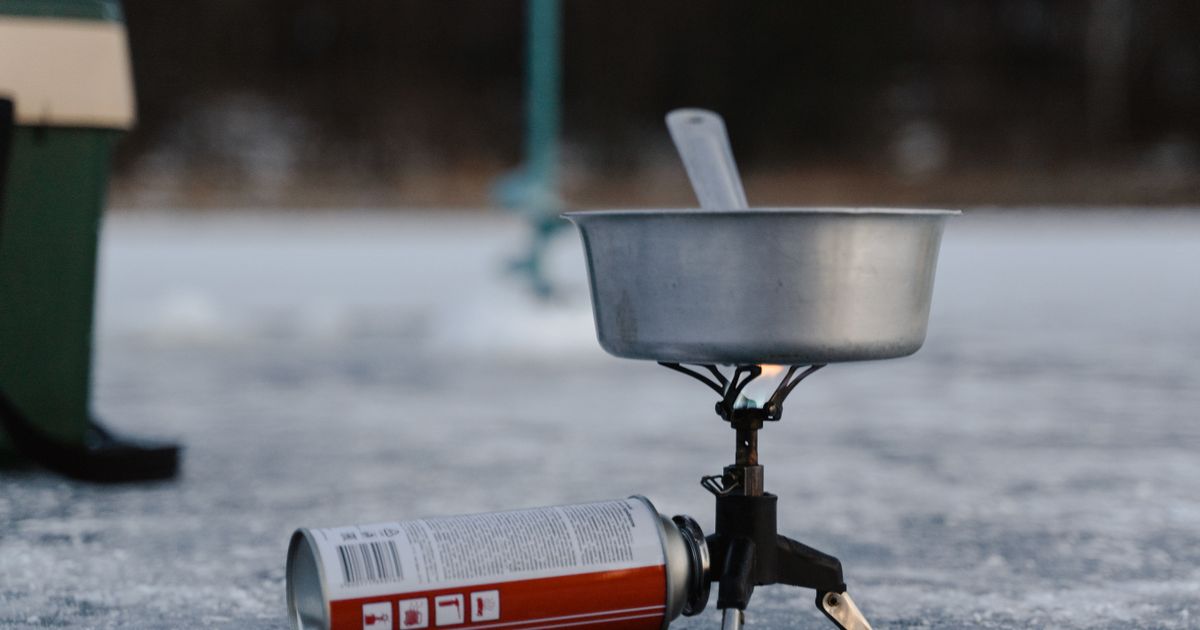
When you're planning a camping trip, you probably focus on the tent and the sleeping bag. But here's the thing: understanding camping stove fuel types explained will make your whole experience better. Your stove choice should actually start with figuring out which fuel works best for where you're going and when you're going there.
There are three main camping stove fuel categories you need to know about: gas fuels (canister-based), liquid fuels (bottled), and alcohol fuels (less common but solid). Each one has real pros and cons, and picking the wrong one means you might end up with a stove that won't light or won't stay lit when you need it most.
In this article
Gas Fuels: Canister-Based Options
Gas fuels come in canisters and are probably what you've seen most often at outdoor retailers. The main types are propane, butane, isobutane, and blended options that mix these together.
The biggest advantage? Convenience. Gas canisters attach directly to your stove, and you just turn the valve. No messy liquid, no pouring. If you're car camping or backpacking in mild weather, this is hard to beat.
Here's where it gets tricky though. Pure butane performs poorly in cold weather. It just won't vaporize when temperatures drop. That's why manufacturers blend butane with isobutane and propane to improve cold-weather performance. A typical four-season blend of 80% isobutane and 20% propane works down to around minus 7 degrees Celsius (about 19 degrees Fahrenheit).
If you're camping below that temperature, gas fuels become unreliable. You can try warming the canister in your hands or sleeping bag, but that's a workaround, not a real solution. For winter camping or high-altitude expeditions, you'll want to look at liquid fuels instead.
Liquid Fuels: Maximum Versatility
Liquid fuels give you way more flexibility across different conditions. The main options are white gas (also called naphtha), kerosene, and unleaded auto gasoline. These fuels attach to your stove via a refillable bottle, not a disposable canister.
The biggest reason climbers and winter campers love liquid fuels? They perform reliably in extreme cold. White gas, for example, will light and burn steadily even in conditions that would kill a gas canister stove. This is why liquid fuel stoves are standard for serious mountaineering.
There's a trade-off though. Liquid fuels require priming (a startup ritual where you heat the fuel line so liquid vaporizes), and they're messier to handle. Spilling white gas at camp sucks. You also need to carry a separate bottle and manage fuel more carefully. But if you're serious about four-season camping, liquid is worth learning.
When you're shopping for gear, Adventure Cove Store carries camping supplies that pair well with whatever fuel type you choose. Matching your stove and fuel to your climate is half the battle.
Alcohol Fuels: The Lightweight Alternative
Alcohol stoves burn denatured alcohol or methanol. They're the lightest option, super simple (no moving parts), and they work reliably in cold weather.
The downside is that alcohol burns slower than gas or liquid fuels. That means longer cook times and less heat output. If you're ultralight backpacking and don't mind waiting for water to boil, alcohol is great. If you're car camping with a family and want speed, skip it.
Wood-Burning Stoves: Emergency or Backup Option

Some campers carry wood-burning stoves as a backup or for specific trips. They're free to fuel (literally just twigs and branches), but they're slower, messier, and often not allowed in established campgrounds. If you're backcountry camping far from trails, a wood stove makes sense as backup.
How to Choose Your Fuel Type
Start by asking yourself three questions: What's your climate? How cold will it get? And how much weight do you want to carry?
If you're car camping in spring, summer, or fall, canister gas is the easiest choice. Set up takes seconds, and you don't deal with priming or spills.
If you're winter camping, high-altitude climbing, or going to places where temperatures dip below freezing consistently, liquid fuel is your answer. The performance difference is real.
If you're ultralight backpacking and weight is everything, alcohol lets you carry minimal gear and still cook meals. Just accept that it'll take longer.
The key insight is this: don't pick your stove first and then worry about fuel. Pick your fuel based on conditions, then choose a stove designed for that fuel. It sounds backwards, but it actually makes your decision way simpler.
When you're ready to gear up for your trip, Adventure Cove Store has camping supplies and accessories that work with any fuel type. Free shipping in the USA on orders means you can test different options without stress.
Storage and Safety Tips
Fuel safety matters. Canister gas is sealed, so storage is straightforward, but don't leave canisters in direct sun or extreme heat. Liquid fuels need airtight bottles and cool, dark storage. Keep alcohol away from heat and always store fuel outside your tent.
If you're new to liquid fuel stoves, watch videos on priming before your first trip. It's not hard, but it's different from gas, and you want to be confident at camp, not frustrated.
Fuel Efficiency and Performance
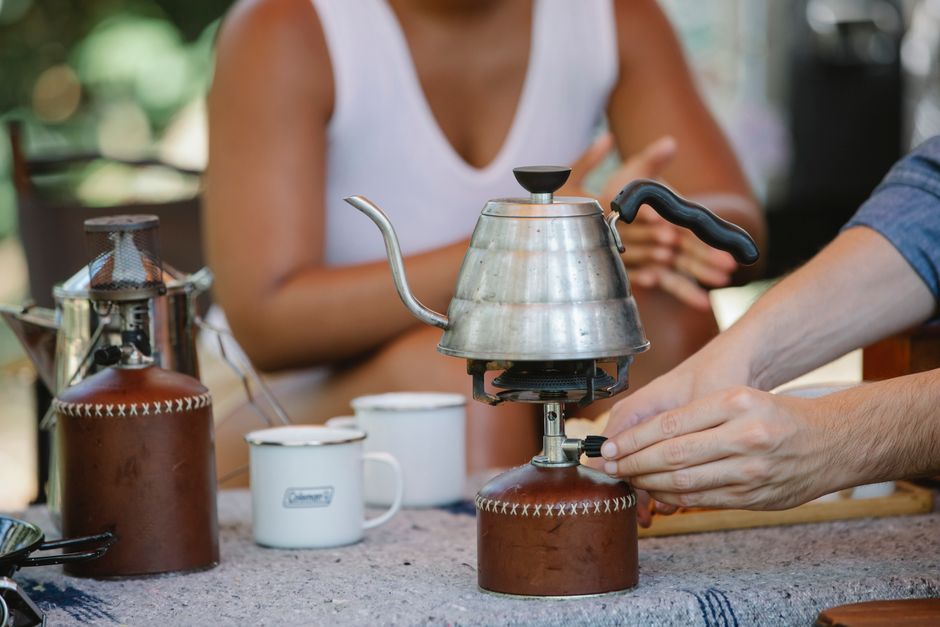
Gas canisters are efficient, but you can't use every last drop. Liquid fuels let you control exactly how much you carry, which saves weight on longer trips. Alcohol is fuel-efficient relative to its weight, but the longer burn time means you might use more overall.
A common rookie mistake is bringing way too much fuel. Calculate your trip length, estimate cook time per day, and bring a little extra. Overpacking fuel means wasted weight.
Environmental Considerations
All three fuel types are fine for Leave No Trace camping as long as you dispose of them properly. Empty canisters go in recycling, not in fire pits. Liquid fuel bottles should be sealed and packed out. Alcohol evaporates, but again, don't leave anything behind.
What fuel works best for winter camping?
Liquid fuels like white gas are the standard for winter because they perform reliably in extreme cold. Gas canister stoves struggle below minus 7 degrees Celsius. If you're winter camping, liquid is worth the extra complexity.
Can you use car gasoline in a camping stove?
Some liquid fuel stoves accept unleaded auto gasoline, but it's not ideal. Auto gas has more impurities than white gas, which can clog your stove over time. White gas is cleaner and burns hotter. If you're stuck, unleaded works, but plan ahead and use the right fuel.
How long does a fuel canister last?
It depends on your stove efficiency and how much you cook. A typical canister might fuel 5 to 10 days of camping for one person doing simple cooking. On longer trips, you'll need multiple canisters or a liquid fuel system with refillable bottles.
Is alcohol fuel safe for camping?
Yes, alcohol stoves are safe when used correctly. They have no moving parts to break and burn cleanly. The main risk is burns if you're not careful around the flame, but that's true of any open flame. Store alcohol in sealed bottles away from heat.