
Freshwater Fishing Lure Guide for Better Bites
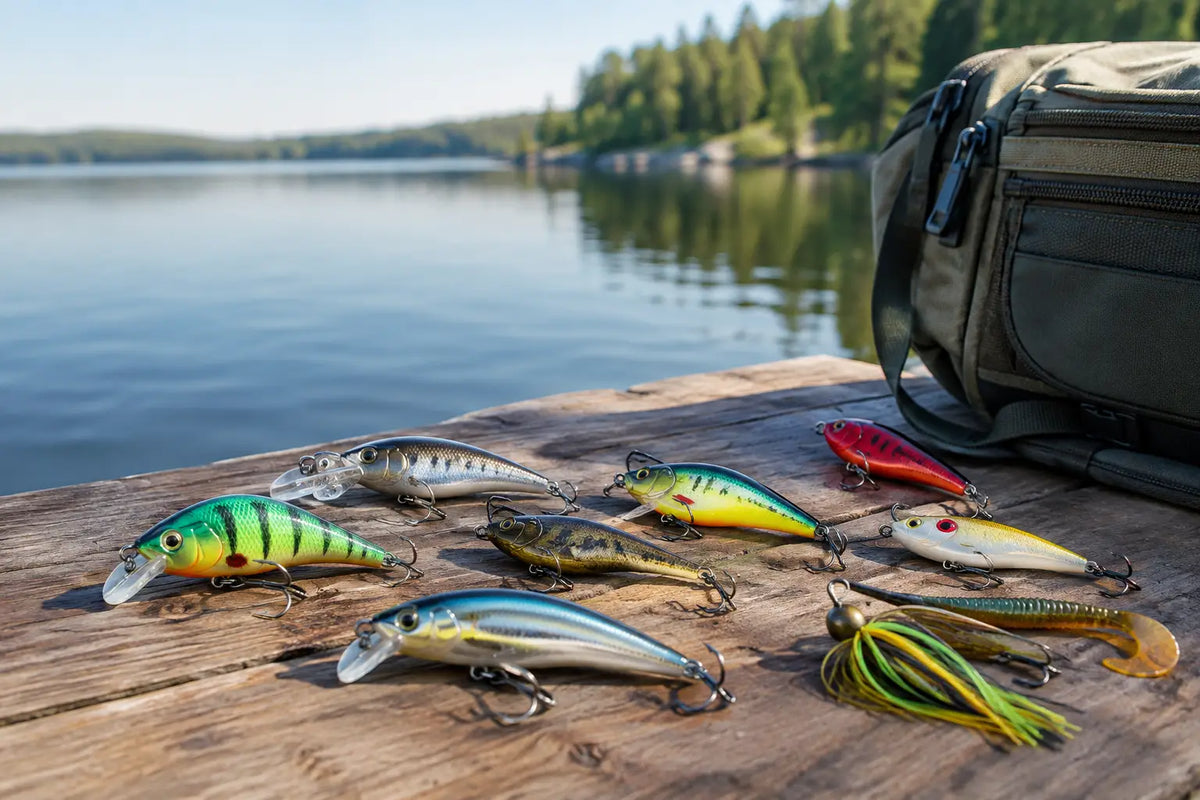
A tackle box packed with random lures can look prepared, but it does not always produce fish. The purpose of this freshwater fishing lure guide is to help you choose baits based on the conditions in front of you: the species you want, the forage available, the water you are fishing, and how active the fish are willing to be.
You do not need every lure style on the shelf. A small, well-chosen selection covers most pond, lake, river, and reservoir situations. Start with proven categories, learn what each one does best, and make changes when the fish or water tell you to.
Start With the Fish, Water, and Weather
Before tying on a lure, think about where the fish are likely holding. Bass may sit under docks, along weed lines, beside laydowns, or on deeper points. Crappie often suspend around brush and cover. Trout may feed in current seams or cooler, oxygen-rich water. Panfish can gather near shallow weeds and spawning beds.
Water clarity narrows the decision. In clear water, natural colors, smaller profiles, and more subtle actions often get more attention. In stained water, fish need help locating the bait. A lure with vibration, flash, a stronger silhouette, or a brighter color can be easier to track. Muddy water does not always mean using the loudest lure available, but it does call for a bait fish can find.
Weather matters because it affects light and fish activity. Bright, calm days can favor natural presentations around shade, deeper water, and cover. Cloud cover, wind, and a light chop can make fish more willing to chase moving lures. During a cold front, slow down and work smaller presentations carefully. When water warms and baitfish are active, cover water faster with search lures.
Freshwater Fishing Lure Guide by Lure Type
Soft Plastics: The Most Flexible Starting Point
Soft plastics belong in nearly every freshwater setup because they can be fished slowly, quickly, shallow, deep, weedless, or around cover. Worms, creature baits, craws, swimbaits, tubes, and grubs all create different profiles without requiring a complete tackle overhaul.
A Texas-rigged worm or creature bait is a dependable choice around weeds, brush, docks, and fallen timber. The hook point stays protected, so you can fish places where exposed hooks snag easily. Use a lighter weight for a slower fall in shallow cover and add weight when wind, current, or depth makes it hard to maintain contact with the bottom.
For open water, a jighead paired with a paddle-tail swimbait or curly-tail grub works for bass, crappie, walleye, and other predators. Match the size to the fish and the forage. A compact bait is usually more versatile than an oversized one, especially when fish are pressured or feeding on small minnows.
Spinnerbaits and Bladed Jigs: Cover Water With Vibration
Spinnerbaits and bladed jigs are practical when you need to find active fish. Their flash and vibration help in stained water, wind, low light, and around shallow cover. They are especially useful for bass around grass edges, wood, riprap, and dock lines.
A spinnerbait with a larger, rounded blade produces more thump and can be effective in murkier water. Narrower blades create more flash and work well when fish are feeding on shad or other baitfish in clearer conditions. Retrieve the lure just fast enough for the blades to work, then vary the pace. A brief pause beside a stump or weed edge often triggers the strike.
Bladed jigs combine vibration with a soft-plastic trailer. They are effective through sparse grass and along shallow flats, but heavy vegetation can foul the blade. When grass is thick, switch to a weedless soft plastic or work the outside edge instead.
Crankbaits: Match the Running Depth
Crankbaits are built to contact a specific part of the water column. Shallow runners are useful around rocky banks, riprap, and flats. Medium and deep divers reach offshore points, creek channels, and deeper structure. The best crankbait is not simply the one with the most action - it is the one that runs where the fish are holding.
Choose a model that reaches slightly deeper than the target zone. If it occasionally ticks rocks, stumps, or the bottom, it often looks more like a fleeing baitfish. That contact can trigger bites, though it also increases the chance of snagging. In heavy wood or dense grass, a treble-hook lure may be less efficient than a jig or weedless plastic.
Square-bill crankbaits are useful around shallow wood and hard cover because their shape helps them deflect. Lipless crankbaits cast far, cover open flats quickly, and work well around emerging grass. Let a lipless bait fall near the edge of vegetation, then lift it free with a short snap when needed.
Jigs: Slow Down Around Structure
When fish are holding tight to cover or refusing faster baits, a jig earns its place. A skirted jig with a craw-style trailer imitates crayfish, bluegill, and other substantial meals. It is a strong option for largemouth bass around docks, wood, rocks, and deeper ledges.
Work a jig with short hops, drags, and pauses rather than constant movement. Many bites happen while it sits still or falls beside cover. Watch your line closely, because a strike may feel like added weight, a soft tap, or nothing at all.
Jighead-and-minnow combinations also deserve space in a freshwater kit. They are reliable for crappie and can tempt walleye, perch, and bass. Use light heads for a natural fall around shallow brush, then increase weight for deeper water or current.
Topwater: Best When Fish Are Looking Up
Topwater fishing is not an all-day answer, but the right window can be hard to beat. Poppers, walking baits, prop baits, frogs, and buzzbaits work when fish are feeding near the surface, particularly in low light, warm water, or around shallow cover.
Hollow-body frogs are designed for matted vegetation and lily pads, where treble-hook lures cannot travel cleanly. Walking baits and poppers are better over open water, beside docks, or along shoreline cover. After a surface strike, pause for a moment before setting the hook. Reacting too quickly is one of the most common reasons anglers miss fish.
Spoons, Spinners, and Trout Lures
For trout, smaller spinners, spoons, and compact crankbaits provide flash and movement without overwhelming the fish. In moving water, cast across or slightly upstream and let the lure travel naturally through current seams. Adjust weight so the bait works below the surface without dragging constantly on the bottom.
Inline spinners are also productive for panfish, bass, and river species. Their rotating blade creates both vibration and flash, making them a smart option in streams and stained water. Keep the retrieve steady enough to make the blade turn, then slow slightly as the lure passes likely holding water.
Build a Practical Lure Selection
A productive freshwater tackle box does not need to be complicated. For most anglers, it makes sense to carry a few soft plastics with hooks and weights, a spinnerbait or bladed jig, shallow and medium crankbaits, a jig, a compact topwater bait, and a selection of small spinners or jigheads. That setup gives you options for shallow cover, open water, deeper structure, and low-light conditions.
Color selection should stay simple at first. Carry a few natural baitfish patterns, a dark option for silhouette, and one or two brighter choices for stained water. White, green pumpkin, black and blue, shad patterns, chartreuse accents, and crawfish colors cover a wide range of situations without filling every compartment.
Line and rod choice affect how a lure performs. Lighter line helps smaller lures run naturally and improves casting distance. Heavier line and stronger gear make sense around thick cover and larger fish. A medium-power spinning setup is highly versatile for finesse plastics, small spinners, and panfish or trout presentations. A baitcasting setup with heavier line is useful for jigs, frogs, spinnerbaits, and larger crankbaits.
Make Better Changes on the Water
Give a lure enough time to prove itself, but do not keep casting it after the conditions have changed. If you are fishing clear water with a fast, bright spinnerbait and getting follows but no strikes, switch to a more natural soft plastic or reduce the retrieve speed. If a slow jig produces nothing on a windy, overcast bank, try a moving bait that covers more water.
Pay attention to every clue: baitfish flicking near shore, weeds growing to a certain depth, birds working offshore, a sudden drop in water temperature, or one fish caught from a specific type of cover. Those details often matter more than owning a new lure.
Adventure Cove Store makes it easier to build a fishing setup that fits the rest of your outdoor plans, from a day at the neighborhood pond to a kayak trip on a local lake. Start with versatile tackle, protect it in an organized box, and keep a few dependable choices ready for the next open stretch of water. The lure that earns the most bites is usually the one matched to the moment, not the one with the flashiest package.