
Rowing Machine Review for Home Gym Buyers
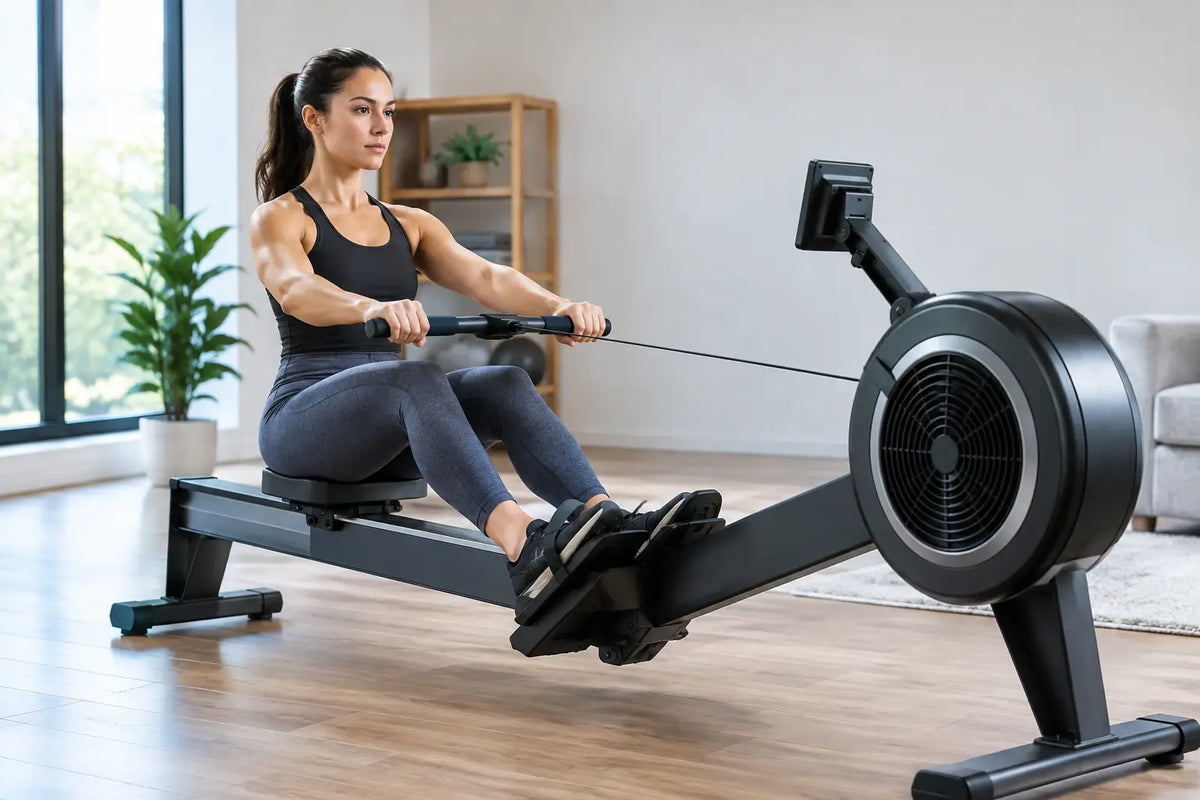
A rower earns its floor space when you will actually use it before work, after a day outside, or between busy household tasks. This rowing machine review focuses on the details that make that happen: resistance feel, fit, noise, storage, and build quality. The best choice is not always the most expensive model. It is the one that matches your room, training plan, and willingness to get on it consistently.
Rowing machines offer a full-body conditioning option without the repeated impact of running. A proper stroke asks your legs, core, back, and arms to work in sequence, while the sliding seat keeps movement controlled. That makes a rower useful for home exercisers building a first fitness area, experienced athletes adding steady cardio, and active households that want a practical way to stay ready between hikes, paddling trips, and gym sessions.
What a Good Rowing Machine Should Deliver
A good home rower should feel stable from the first drive. The frame should not rock when you push hard, the seat should glide without sticking, and the handle should return smoothly rather than snapping forward. Those basics matter more than a large screen or a long list of programmed workouts.
Pay attention to the rail length and stated user capacity. Taller users need enough travel to reach a full, comfortable catch position without running out of slide. Higher capacity ratings can also signal a sturdier frame, although they do not replace checking the machine's overall construction, feet, and rail support.
Comfort is part of performance. Footplates should adjust securely, straps should be easy to tighten, and the handle should feel secure without being overly thick. A firm seat is normal on many rowers, but it should not have rough edges or excessive wobble. If several people will use the machine, quick adjustments help keep workouts from becoming a setup chore.
The display also deserves a realistic look. At minimum, it should show time, distance, stroke rate, and an effort measure such as pace or estimated calories. Bluetooth connectivity, app compatibility, heart-rate support, and instructor-led workouts can add motivation, but only if you plan to use them. A clear basic monitor is more useful than a subscription-dependent display that sits dark after the first month.
Rowing Machine Review: Compare Resistance Types
Resistance changes both the feel of each stroke and the kind of maintenance a rower needs. There is no single best system for every home gym.
Magnetic rowers
Magnetic rowing machines use magnets to create resistance against a flywheel. They are typically quiet, compact, and a sensible choice for apartment living, early-morning exercise, or shared spaces. Resistance settings are easy to change, and there is usually little routine maintenance beyond checking bolts, cleaning the rail, and keeping the machine dry.
The trade-off is stroke feel. On lower-priced magnetic models, resistance can feel less natural and may not respond as dynamically to how hard you pull. For steady cardio, beginner workouts, and convenient daily use, that may not matter. For users seeking a closer on-water rowing sensation, it can.
Air rowers
Air rowers create resistance with a fan, so the harder and faster you pull, the more resistance you feel. This gives them a responsive stroke that suits intervals, hard conditioning sessions, and athletes who want to measure pace consistently.
Their main drawback is noise. The fan sound is not necessarily unpleasant, but it is noticeable in a quiet home. Air rowers also tend to have a larger footprint than compact magnetic models. They are a strong fit for a garage gym, basement, or dedicated workout area where performance matters more than silence.
Water rowers
Water rowers use paddles moving through a tank, producing a smooth pull and a softer rushing sound. Many users enjoy their natural rhythm and furniture-like appearance, especially when the machine will stay in a living area.
They generally cost more than basic magnetic rowers and require more attention to water treatment and tank care. They can also be heavy to reposition. If a pleasing workout feel and low mechanical noise are priorities, those trade-offs may be worthwhile.
Hydraulic rowers
Hydraulic models use cylinders for resistance and are often small enough for tight rooms. Their compact size can make them attractive for occasional workouts or homes without space for a long rail.
However, the stroke may not feel as fluid as air, water, or magnetic designs, and some hydraulic systems can warm up during longer sessions. They are practical when storage and budget lead the decision, but they are rarely the best pick for frequent, high-volume rowing.
Match the Rower to Your Space
Before looking at workout programs, measure the room. A rowing machine needs more than its listed product length because you need room to sit down, stand up, and move around the rail safely. Leave clear space at the handle end and around the sides, especially if the rower will share a room with bikes, storage bins, or family traffic.
For smaller homes, look for a model that folds vertically or separates into sections. Upright storage can reduce the floor footprint substantially, but check whether the stored unit is stable and easy to roll. A machine that takes two people to move may still be a good long-term choice, but it is not truly convenient for daily setup.
Floor protection is worth planning for. A fitness mat can help reduce vibration, protect hard flooring, and keep sweat from reaching carpet or wood. This is particularly useful with air rowers and any machine used for interval training. Place the rower on a level surface, then recheck leveling after the first few workouts.
Build Quality Matters More Than Extra Features
Product photos can make many rowers look similar. Focus on the parts that take repeated load: the rail, seat rollers, pull strap or chain, handle mount, pedals, and frame joints. Look for clear product specifications rather than vague claims about professional quality.
A smooth belt drive is often quiet and low-maintenance. Chain drives can be durable and deliver a direct feel, though they may need periodic lubrication. Either can work well when properly built. What matters is that the return mechanism is controlled and that the strap or chain tracks straight without rubbing.
Check the warranty details before buying. Coverage for the frame, moving parts, electronics, and labor may differ. A long frame warranty is reassuring, but strong parts support matters just as much on a machine with a monitor, resistance system, and seat rollers used every week.
Weight is another useful clue, but not a complete verdict. Heavier rowers often feel more planted during hard strokes, yet a lighter model with a sound frame can be ideal if you need to store it after each session. Choose the level of stability you need without buying a machine that becomes inconvenient to move.
Get the Fit and Technique Right
Even a well-built rower feels awkward with poor setup. Adjust the footplates so the strap crosses over the widest part of your foot, then secure the straps firmly. Start each stroke with knees bent, shins close to vertical, arms extended, and shoulders relaxed.
The drive is legs first, then a slight body swing, then arms. On the return, reverse the sequence: arms away, body forward, then knees bend. This order protects your back and gives each stroke more power. Pulling with the arms first is a common beginner habit that makes rowing feel harder than it needs to be.
Start with short sessions. Ten to fifteen minutes at a moderate pace is enough to learn rhythm and identify discomfort in the feet, hips, or lower back. Add time gradually, or alternate easy rows with brief faster intervals. If sharp pain appears, stop and reassess your form, machine setup, or training volume.
Which Home Rower Is Right for You?
For quiet daily cardio in a shared home, a magnetic rower is usually the practical starting point. For harder interval work and performance tracking, an air rower is often the better match. For a smooth stroke and a machine that can live in an open room, water resistance has real appeal. For very limited room or occasional use, a compact hydraulic model can do the job with realistic expectations.
Avoid buying strictly for a screen, a sale price, or an ambitious plan to train every day. Consider who will use the rower, how often it will be moved, and whether noise affects the rest of the household. A dependable setup that supports three workouts a week beats a feature-packed machine that stays folded in the corner.
A rowing machine can be a practical part of an active home: ready for a quick cardio session when weather changes, a low-impact recovery workout after a long trail day, or a consistent training habit between bigger adventures. Choose the rower that fits your space and routine, keep the setup simple, and let regular strokes do the work.