
What Kayak Length Works Best for Your Water?
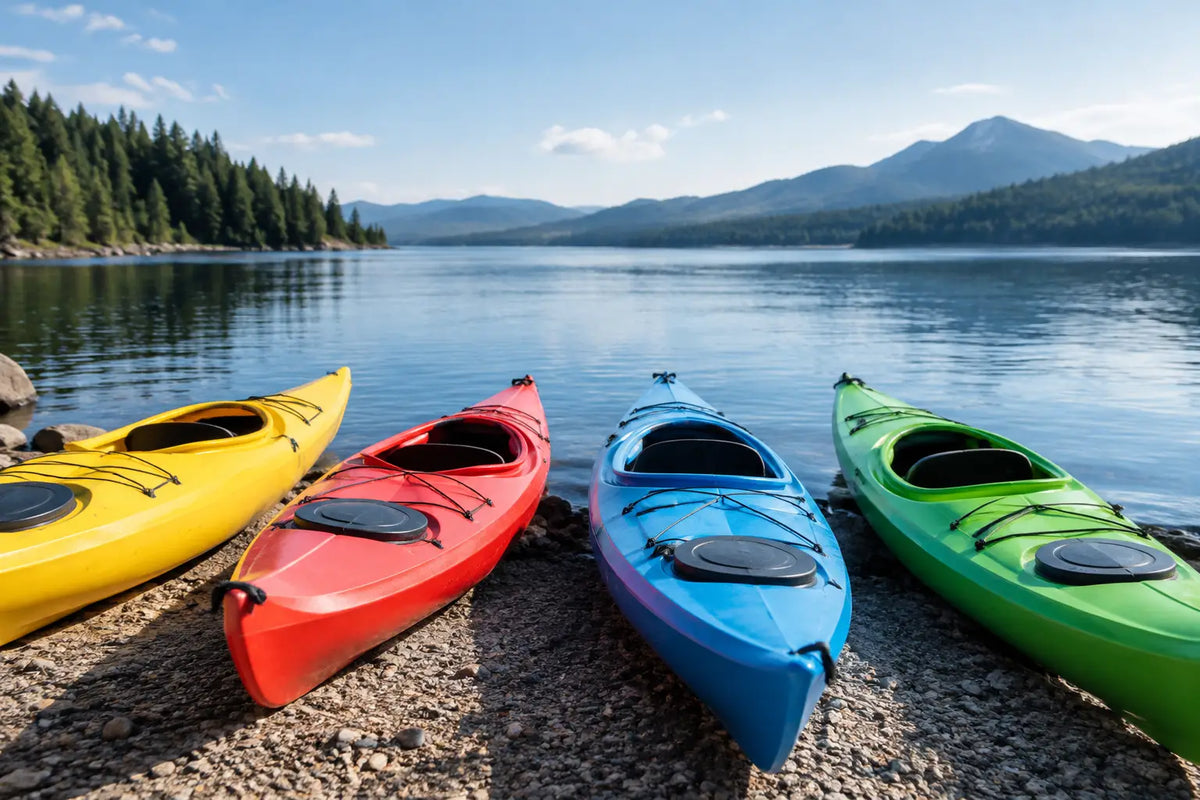
A kayak that looks right on a product page can feel completely wrong at the launch. A long hull may track beautifully across a windy lake but be awkward to store in a garage. A short recreational model may turn easily near shore but take more effort to keep straight on open water. If you are asking what kayak length to buy, start with where you will paddle most often, then factor in your body size, load, experience, and transport plan.
Length is not a quality rating. It is one measurement that shapes how a kayak moves, carries gear, and fits into your routine. The right choice makes water days easier to plan, from a relaxed afternoon at a local pond to a full fishing trip with a cooler and tackle crate.
What Kayak Length Means on the Water
Kayak length is measured from the tip of the bow to the end of the stern. Most recreational sit-on-top and sit-inside kayaks fall between 8 and 14 feet, while touring kayaks can run 15 to 18 feet or more. Fishing kayaks commonly sit in the middle, often between 10 and 13 feet, because they balance capacity with manageable handling.
In general, a longer kayak travels farther with each paddle stroke and holds a straighter line. Paddlers call this tracking. That makes longer designs efficient for covering distance on bays, large lakes, and slow-moving rivers. The trade-off is turning radius. A long kayak takes more room and technique to turn, especially in a narrow creek or around obstacles.
Shorter kayaks turn more readily and are usually easier to carry, load, and store. They are a practical fit for casual outings, smaller waterways, and paddlers who need a boat that can fit in a shed, apartment storage area, or truck bed with minimal hassle. On exposed water, though, a short hull can wander from side to side between strokes.
Width, hull shape, weight capacity, and seat position also matter. A 10-foot kayak with a wide, stable hull can feel more secure for a beginner than a longer, narrower kayak designed for speed. Always treat length as part of the full specification sheet, not the only number that matters.
What Kayak Length Should You Choose?
For most first-time buyers, the best answer is usually a 10- to 12-foot kayak. This range is versatile enough for calm lakes, protected bays, gentle rivers, and day trips, while remaining realistic to transport and store. It also gives many adult paddlers enough room for a dry bag, water, safety gear, and a few comfort items.
That said, your intended use should lead the decision. A kayak that is perfect for casual shoreline paddling may not have the speed, storage, or tracking needed for all-day exploration.
8- to 10-foot kayaks: compact and easygoing
An 8- to 10-foot kayak works well for protected water, short outings, and tight spaces. These are common choices for families, younger paddlers, and adults who want a simple boat for ponds, calm creeks, and sheltered coves. Their shorter footprint is also helpful if you drive a compact vehicle or have limited storage at home.
Expect quick turns and a stable feel in many recreational designs. The compromise is reduced glide. You may need more frequent paddle corrections when crossing a broad lake or dealing with wind. Small kayaks also have less room for camping equipment and may have lower weight capacities, so check the stated limit carefully.
10- to 12-foot kayaks: the all-around range
A 10- to 12-foot model is the practical middle ground for many US paddlers. It is long enough to track better than a compact kayak, yet short enough to maneuver around docks, downed branches, and shoreline traffic. This size is especially useful for recreational paddling, casual fishing, and fitness-focused outings.
A 10-foot sit-on-top can be a strong option for warm-weather paddling and easy re-entry after a swim. A 12-foot sit-inside kayak often offers more dry storage and protection from splashes, making it a better match for cooler conditions or longer day trips. Choose based on the waters you use, not just the style you see most often.
12- to 14-foot kayaks: distance and fishing capacity
If your plans include covering several miles, paddling open lakes, or carrying substantial fishing gear, move into the 12- to 14-foot range. These kayaks generally track more confidently and provide added deck or hatch space. Anglers may appreciate the room for rod holders, a crate, electronics, an anchor system, and a cooler, provided the kayak's weight capacity supports the full load.
The added length is valuable when the wind picks up, but it demands more from your transport setup. Before buying, measure your vehicle roof rack, trailer, garage, and the route from storage to water. A kayak that is difficult to move alone is less likely to get used regularly.
15 feet and longer: touring and expedition use
Long touring kayaks are built for efficiency, speed, and directional control over distance. They suit experienced paddlers making long crossings, multi-day trips, or coastal outings where conditions can change quickly. Many feature sealed bulkheads, storage hatches, and narrower hulls that reward a more developed paddle stroke.
These boats are not automatically safer for beginners. Their narrow profiles can feel less stable initially, and open water requires preparation beyond boat length. Wear a properly fitted personal flotation device, dress for water temperature, monitor the forecast, and build skills in protected conditions before committing to larger water.
Match Length to Your Paddling Conditions
Think about your most common launch, not your once-a-year dream trip. A winding, tree-lined river favors maneuverability. A large reservoir rewards tracking. A quiet neighborhood lake may allow almost any recreational length, while a tidal bay needs more careful attention to wind, current, and boat traffic.
For narrow rivers and creeks, a shorter kayak around 8 to 10 feet is easier to steer around bends and obstacles. For calm lakes and casual outings, 10 to 12 feet offers comfortable versatility. For larger lakes, broad rivers, and regular distance paddling, 12 to 14 feet gives you better straight-line performance. Touring conditions may call for a longer kayak, but only when you have the skills, safety equipment, and local knowledge to use it well.
Inflatable kayaks follow the same general logic, but their construction adds another consideration. A quality inflatable can be a smart solution for apartment living, travel, or a vehicle without roof racks. Look at its inflated length, weight capacity, floor design, and recommended water conditions rather than assuming all inflatables perform alike.
Fit, Capacity, and Transport Can Change the Answer
Your height does not directly determine kayak length, but it affects cockpit room, leg comfort, and how naturally you can reach the foot braces. Taller paddlers may need a longer cockpit opening or more adjustable footroom. Smaller paddlers should avoid choosing an oversized boat solely for extra length, because a loose fit can make control harder.
Weight capacity deserves close attention. Add your body weight, personal flotation device, paddle, water, safety gear, cooler, fishing equipment, and any camping load. Stay comfortably below the manufacturer's maximum capacity. A kayak loaded near its limit sits lower in the water, becomes slower, and can lose the stable handling you expected.
Then plan the trip before you buy the boat. Can you safely lift it onto your roof rack? Do you need a cart from parking area to launch? Is a 14-foot hull practical in your garage? Lightweight materials, carry handles, and a folding or inflatable design may matter more to your routine than an extra foot of length.
A Practical Way to Make the Final Choice
Use your primary water type to narrow the range, then compare models by capacity, width, seat comfort, storage, and carry weight. If you are between two lengths, the shorter option usually wins for storage and maneuverability, while the longer option wins for efficiency and gear space. Be honest about which benefit you will use more often.
For a first kayak, do not buy solely for the most demanding conditions you might eventually encounter. Choose a model that supports frequent, safe use now. You can build skills, refine your preferences, and add specialized gear later.
Adventure Cove Store shoppers preparing for water days can pair the kayak with a properly sized paddle, personal flotation device, dry storage, sun protection, and a transport solution. A well-matched setup keeps the focus on the outing instead of the equipment problem waiting at the shoreline.
The best kayak length is the one that fits your regular water, your available storage, and the way you actually want to spend the day. Pick for repeatable comfort and confident handling, then get it loaded, launch safely, and make the most of every calm morning or open-water afternoon.