
Winter Camping Gear List: Essential Equipment for Cold Weather
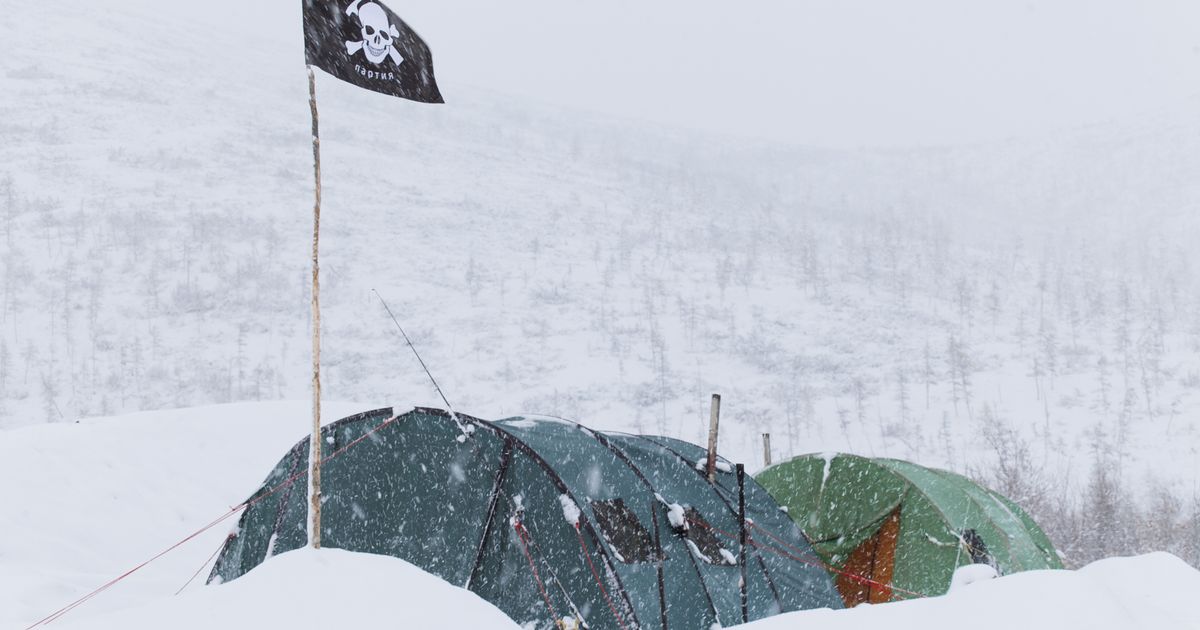
Winter camping gear isn't optional—it's survival equipment. The difference between a miserable night and a cozy one comes down to having the right winter camping gear list before you head out. Let's break down exactly what you need, from your sleeping bag to your socks, so you can actually enjoy being outside in the cold instead of fighting it.
In this article
- Your Winter Sleeping System is Non-Negotiable
- Layer Like Your Life Depends On It
- Feet and Legs Win Winter Camping
- Head and Hand Protection Isn't Glamorous, But It Works
- Your Core Winter Camping Gear Essentials
- Fuel Your Body in the Cold
- Organize Your Gear by Category
- Where to Start Building Your Setup
- Final Gear Check Before You Go
Your Winter Sleeping System is Non-Negotiable
The biggest mistake people make is showing up with a summer sleeping bag. That won't cut it when the temperature drops below freezing at night. Your sleeping bag needs to be rated specifically for winter conditions—look for bags rated to at least 0°F if you're camping in serious cold, or 20°F for milder winter camping.
Related: Best Daytona 500 Camping Gear 2026: Top 5 Ranked
Here's why: your body heat alone won't keep you warm enough. A quality winter sleeping bag creates an insulating barrier that traps that heat and keeps cold air out. Don't cheap out here. This is where your money matters most.
Beyond the bag itself, add fleece-lined booties or slippers to wear inside your tent. Your feet get cold fast when you're stuck in one spot, and booties make a huge difference. They're lightweight, packable, and genuinely cozy when you're trying to sleep in sub-zero temps.
Layer Like Your Life Depends On It
Cold weather clothing is all about layers. The system works like this: base layer against your skin, mid-layer for insulation, outer layer for wind and water protection. Nailing this strategy means you stay dry and warm all day.
Base Layer: Start with moisture-wicking long underwear made from Merino wool or synthetic materials. Cotton is your enemy—it holds moisture and makes you colder. Merino wool is ideal because it regulates temperature and resists odor, even in damp conditions.
Mid Layer: This is where insulation happens. A fleece hoodie or fleece-lined leggings traps warm air. Fleece breathes, dries fast, and keeps working even if it gets slightly damp.
Outer Layer: You need two outer pieces: a down jacket for serious insulation plus a shell jacket for wind and moisture protection. The shell keeps your down dry. Wet down is useless. When shopping at Adventure Cove Store, look for jackets with sealed seams and water-resistant fabrics.
Feet and Legs Win Winter Camping
Cold feet ruin everything. No joke. You can have the best sleeping bag and warmest jacket, but numb toes will keep you awake all night.
Winter boots must be insulated and waterproof. Period. Look for boots rated for winter hiking that offer genuine insulation (not just thick material). Waterproof means snow won't soak through. Gaiters are your secret weapon—they prevent snow from getting inside your boots where it melts and makes your feet wet.
Bring multiple pairs of socks (synthetic or wool only—no cotton). Your first pair gets damp from sweat, so having a dry pair for sleeping keeps your feet happy. Many experienced winter campers carry three pairs: one for hiking, one for camp, one for sleeping.
Quality hiking boots rated specifically for winter conditions are worth the investment. Check that they have good ankle support and aggressive tread for icy surfaces.
Head and Hand Protection Isn't Glamorous, But It Works

You lose heat through your head fast. A warm hat or beanie is mandatory. Most people find that a good wool or fleece beanie makes a noticeable difference in overall body warmth.
For hands, mittens beat gloves in winter. Mittens keep fingers grouped together, which preserves more heat than separating each finger in a glove. Yes, dexterity suffers, but your hands stay warmer.
Your Core Winter Camping Gear Essentials
Beyond clothing and sleep systems, you need shelter and basic gear.
Related: Best Camping Gear for Beginners: Essential Kit Guide
Related: Best Gear for The Wave Camping: Water-Ready Equipment Guide
Related: Camping and Hunting: Essential Gear Guide for 2026
- Tent with winter setup: Your tent needs poles and stakes designed to handle snow load and wind. A four-season tent is ideal, but a three-season tent works if you're careful about site selection.
- Backpacking pack with rain cover: A good rain cover keeps your gear dry during transit. Dry gear means you can stay warm.
- Insulated water bottle: Regular bottles freeze. Insulated bottles keep water drinkable. Dehydration happens fast in cold weather because you don't notice thirst as much.
- The Ten Essentials plus winter-specific items: Map, compass, first aid kit, fire starter, knife, flashlight, sun protection, extra food, shelter, and clothing. Add avalanche safety gear if you're in avalanche terrain.
Fuel Your Body in the Cold
Winter camping burns serious calories. Your body works overtime just staying warm. Pack high-calorie foods: nuts, chocolate, energy bars, and meals heavy in fat and protein. Dehydrated meals that you can heat up are perfect because they warm you twice—once when you eat hot food, again when the calories convert to body heat.
Same goes for hydration. You need plenty of water, but regular bottles freeze. Use insulated bottles or keep water inside your sleeping bag at night so it doesn't freeze solid.
Organize Your Gear by Category

The best winter camping gear list keeps things organized. Group your gear this way: clothing (base, mid, outer, head, hands), footwear and legwear (boots, socks, gaiters), sleep system (bag, booties, mat), shelter (tent, poles, stakes), hydration (bottles, treatment), and nutrition (food, cooking supplies).
This system makes it easy to double-check that you haven't forgotten anything before you leave. Use a packing checklist and tick items off as you load your pack. It sounds simple, but it prevents costly mistakes when you're miles from civilization.
Before your trip, test all your gear in your backyard or a nearby campground. You don't want to discover that your sleeping bag isn't rated cold enough, or that your boots don't actually fit with thick socks, once you're committed to a multi-day winter camp. A test run also helps you understand how your gear performs and where to make adjustments.
Where to Start Building Your Setup
Building a complete winter camping kit takes time and money. Start with the essentials: a quality winter sleeping bag, base layers, insulated boots, and a reliable tent. Once those are solid, add mid-layers, outer shell, and accessories. Adventure Cove Store stocks gear across all these categories, with free shipping in the USA so you're not paying extra to get outfitted. You can build your setup gradually as your budget allows, prioritizing items that directly impact warmth and safety.
The key is avoiding cheap gear that looks right but doesn't perform. A budget sleeping bag that's not actually rated for cold temperatures won't keep you warm. A rain jacket made from non-waterproof material won't protect you from wind and snow. Spend money where it matters: sleep system, footwear, and insulation.
According to research from the National Center for Biotechnology Information on hypothermia prevention, proper layering and insulation are critical factors in preventing cold-related injuries during winter outdoor activities. Preparation and quality gear truly are life-or-death considerations.
Final Gear Check Before You Go
The night before your trip, lay out everything on your floor. Check that each piece of gear is in good condition. Test zippers, check for tears, and verify that your sleeping bag is actually in your pack. Charge all batteries in flashlights. Fill your water bottles and make sure the lids seal tight.
A winter camping gear checklist keeps you from panicking at the trailhead. Print one out, laminate it, and pack it with your gear. Check off items as you pack. This one habit prevents probably 80% of forgotten-gear disasters.
What temperature rating should my winter sleeping bag have?
Look for bags rated to at least 0°F for serious winter camping, or 20°F if you're camping in milder winter conditions. The temperature rating is the lowest temperature at which the bag will keep an average sleeper warm. Buy a bag rated colder than the lowest temperature you expect—cold ratings are often optimistic.
Can I use a summer tent for winter camping?
Not really. Summer tents lack the structure to handle snow load and wind. A four-season tent is ideal, but at minimum use a three-season tent and choose sheltered sites away from wind and avalanche paths. Never assume a summer tent will work—it won't provide enough protection.
How many socks should I bring winter camping?
Bring at least three pairs: one for hiking, one for camp wear, and one for sleeping. Your hiking socks will be damp by day's end from sweat. Sleeping in damp socks freezes your feet. Having a dry pair reserved for sleep is non-negotiable. Some people bring four pairs to rotate through if they're out for multiple days.
Do I really need a winter-specific sleeping pad?
Yes. Insulation from below is as important as insulation from above. Ground sucks heat out of you fast. Use an insulated pad rated for winter, or layer two pads for extra insulation. Many winter campers use a foam pad under an inflatable pad for maximum insulation. Check that your sleeping bag and pad work together—some pads compress down inside bags and reduce their insulating value.