
At-Home Summer Camp Ideas: 15 Activities for Kids
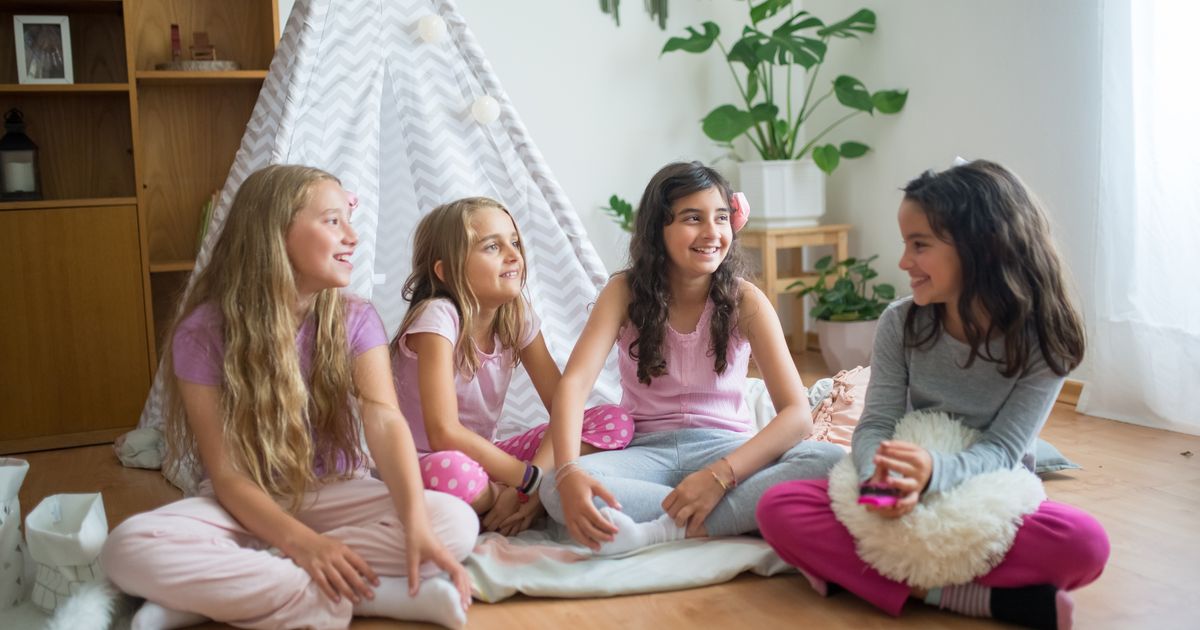
Summer's here and you don't need to send your kids away to give them an amazing camp experience. At-home summer camp ideas let you create structured, theme-based activities right in your backyard or living room—and honestly, it's way more affordable than traditional programs.
In this article
- Why At-Home Summer Camp Works
- Creative Art and Craft Camp Ideas
- Nature-Based At-Home Summer Camp Ideas
- Hands-On STEM and Building Projects
- Sports and Fitness Camp Themes
- Cooking and Food Camp Ideas
- Getting Your Kids Ready: What to Stock
- Structuring Your Weekly Schedule
- Making It Social
- Capturing the Memory
- Tips for Success
- Final Thoughts
Why At-Home Summer Camp Works
Kids crave structure during summer. Without it, screen time fills the void. An at-home summer camp theme—whether it's nature exploration, art bootcamp, or sports training—gives them something to look forward to every day. Plus, you control the pace, the cost, and when they take breaks.
The best part? You don't need expensive equipment or expertise. Most of these ideas use stuff you already have at home.
Related: Camp Isn't Home: Understanding the Song & Theater Camp
Related: Best Camp Gym 2026: Top 5 Fitness Communities Ranked
Related: Camp Activities List: 30+ Ideas for Every Camper
Related: Crossings Camp Packing List: What to Bring (2026)
Creative Art and Craft Camp Ideas
Art projects keep kids engaged for hours and build confidence. Set a weekly theme like "portrait week" or "abstract expressionism" and let kids experiment with whatever supplies you have.
- Canvas or Canvas Bags: Provide plain canvas and let kids design and decorate their own tote bags or small canvases with markers, paints, or fabric pens.
- Tie-Dye Station: White t-shirts, rubber bands, and fabric dye = instant summer camp vibes. Kids love the unpredictability.
- Clay or Air-Dry Putty: Sculpting teaches hand-eye coordination and problem-solving. No kiln needed for air-dry materials.
- Collage Projects: Old magazines, scissors, and glue sticks. Kids cut and paste images to create mood boards or themed collages.
- Jewelry Making: Beads, string, and simple clasps keep young hands busy for hours.
Nature-Based At-Home Summer Camp Ideas
Nature exploration teaches observation and curiosity. These activities cost almost nothing but deliver huge learning value.
- Butterfly Garden: Plant native flowers and watch caterpillars transform. It's real-world science happening in real time.
- Scavenger Hunt: Create a list of things to find in your yard—rocks with certain colors, leaves of different shapes, insects. Send kids out with a notebook to document what they discover.
- Color Walk: Pick a color (like blue or yellow) and spend 20 minutes finding everything in nature matching that color. Take photos or sketch what you find.
- Nature Sound Exploration: Sit outside with eyes closed for 5 minutes and listen. How many different sounds can you identify? Birds, wind, water, insects?
- Plant a Small Garden: Even a few herbs or fast-growing vegetables (like radishes) teach kids about growth cycles and responsibility.
Hands-On STEM and Building Projects
Building projects develop problem-solving and practical skills. Kids remember these projects for years.
- DIY Birdhouse or Nesting Box: Simple wood pieces, nails, and paint. Kids design, build, and then monitor for visitors.
- Treasure Chest or Wooden Box: Paint and decorate a plain wooden box. Great for storing camp memories or treasures they find.
- Periscope: Two mirrors, a cardboard tube, and tape. Kids build it and use it for spy missions around the house or yard.
- Concrete Stepping Stones: Mix concrete, pour into molds (or dig holes), add decorative stones or tiles, and let cure. Instant backyard upgrade and a project to be proud of.
- Simple Electronics or Circuit Projects: If your kids are older, basic circuit boards and LED lights teach electronics basics without overwhelming complexity.
Sports and Fitness Camp Themes

Sports camps don't require a coach or fancy facilities. Use your yard and simple equipment to build skills and confidence.
- Volleyball or Badminton Tournament: Set up a volleyball and badminton set in your yard and run a multi-day tournament with brackets and scoring.
- Obstacle Course Training: Cones, hula hoops, rope, and yard furniture create an obstacle course. Time your kids and challenge them to beat their own records each day.
- Soccer or Basketball Drills: Cone drills, shooting practice, dribbling patterns. Structure it like a real team practice with warm-ups and cool-downs.
- Track and Field Days: Create stations for sprints, long jump, shot put (use a lightweight ball), and relay races. Award ribbons or certificates.
- Yoga or Movement Classes: Even young kids benefit from guided stretching and breathing exercises. YouTube has free kid-friendly sessions.
Cooking and Food Camp Ideas
Cooking teaches math, chemistry, and independence. Plus kids actually eat what they make.
- International Cuisine Week: Pick a country each week and make simple dishes from that culture. Monday might be tacos, Wednesday could be pasta, Friday maybe pizza or dumplings.
- Dessert and Baking Challenge: Each day, kids pick a simple recipe and see if they can execute it. Brownies, cookies, simple cakes.
- Smoothie Bowl Bar: Blend fruit, yogurt, and milk. Then let kids top their bowls with granola, coconut, berries, and honey. They're customizing and eating nutrition.
- Picnic Planning: Have kids plan, shop for, and prepare a backyard picnic. They handle the menu, prep, and setup.
Getting Your Kids Ready: What to Stock
You don't need much. Adventure Cove Store has outdoor gear and supplies that make camp activities smoother—like waterproof phone pouches if you're doing water activities, or flashlights for evening exploration. But honestly, the core supplies are basic: paper, markers, tape, scissors, old clothes for messy projects, and time.
Stock a "camp supply bin" with:
- Craft supplies (markers, colored pencils, paint, glue, scissors)
- Recycled materials (cardboard, plastic containers, old fabric)
- Basic tools (hammer, screwdriver, saw if kids are old enough)
- Outdoor gear (binoculars, bug net, magnifying glass)
- Sports equipment (balls, cones, jump rope)
Structuring Your Weekly Schedule
Consistency matters. Kids thrive when they know what to expect. Try this rhythm:
- Monday-Tuesday: Art or craft focus
- Wednesday: Nature exploration day
- Thursday: Sports or movement
- Friday: Cooking or celebration of the week's projects
Build in morning "camp meeting" where you review the day's plan, and an end-of-day reflection where kids share what they made or learned. It's simple but makes the experience feel official and intentional.
Making It Social
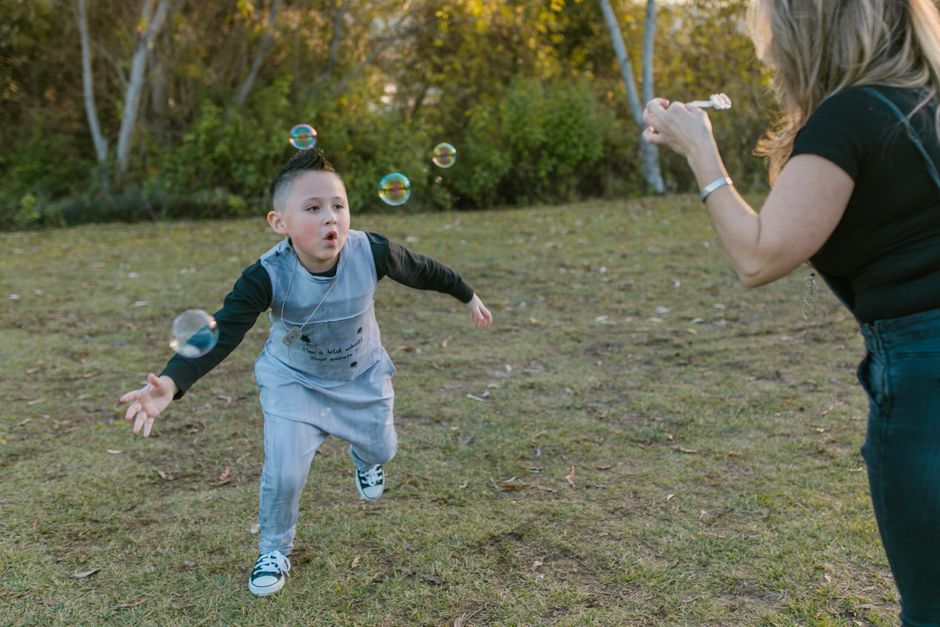
At-home camp doesn't mean solo. Invite neighborhood kids to join specific days. Potluck picnics, group sports tournaments, and collaborative art projects feel more "camp-like" when there are friends involved. Plus it gives your kids built-in accountability and fun.
Capturing the Memory
Take photos throughout the summer. Create a photo album or digital gallery of projects completed. At summer's end, you'll have a visual record of everything your kids made and learned. Some families create a "camp newspaper" or poster documenting the experience.
Real talk: at-home summer camp is actually more personalized than traditional programs. Your kids get activities tailored to their interests, at their own pace, with you nearby. And when you're sourcing gear or supplies, Adventure Cove Store has outdoor and sports equipment with free shipping in the USA, so you're covered for whatever direction your camp takes.
Tips for Success
- Let Kids Lead: Ask what they want to learn or make. Intrinsic motivation beats imposed structure.
- Embrace Mess: Art, cooking, and nature exploration get messy. Expect it and plan for easy cleanup.
- Set Realistic Goals: Not every project will be Instagram-worthy. That's fine. The process matters more than the product.
- Balance Structure and Freedom: Have a theme and loose plan, but give kids time to explore and create independently.
- Document Everything: Photos, sketches, pressed flowers, saved creations. These become your camp archive.
Final Thoughts
At-home summer camp is proof that adventure doesn't require expensive programs or travel. Your backyard, your kitchen, and your creativity are enough to create an unforgettable summer. Kids will remember the projects they built, the skills they developed, and the time you invested in their summer. That's camp.
What age is best for at-home summer camp?
Any age works, but structure and activities shift with development. Young kids (5-7) thrive with shorter activities, simple crafts, and lots of outdoor play. Older kids (8-12) can tackle more complex projects, longer cooking sessions, and group sports. Teens might run the camp themselves, coaching younger siblings or hosting friend groups.
Related: Best Outdoor Camp Activities for Groups
How much does it cost to run an at-home summer camp?
Minimal. Most supplies cost under $100 for the entire summer if you use materials you already have at home. If you want to buy new craft supplies, sports equipment, or specialized materials, budget $200-300 for the season. Way cheaper than traditional camp.
Can I do this if I work full-time?
Yes. Structure camps for mornings (art and projects, 2-3 hours) or evenings/weekends (sports, cooking, group activities). Even part-time camps with 3-4 structured days per week beat no camp at all. Kids become more independent when given themed activities to work through semi-independently.
What if my kids lose interest halfway through summer?
Pivot. Ask them what they actually want to do and adjust your themes. Summer camp should be fun, not a chore. If volleyball tournaments aren't landing, switch to building projects or cooking challenges. Flexibility is a feature of at-home camp, not a bug.