
Best Outdoor Camp Activities for Groups
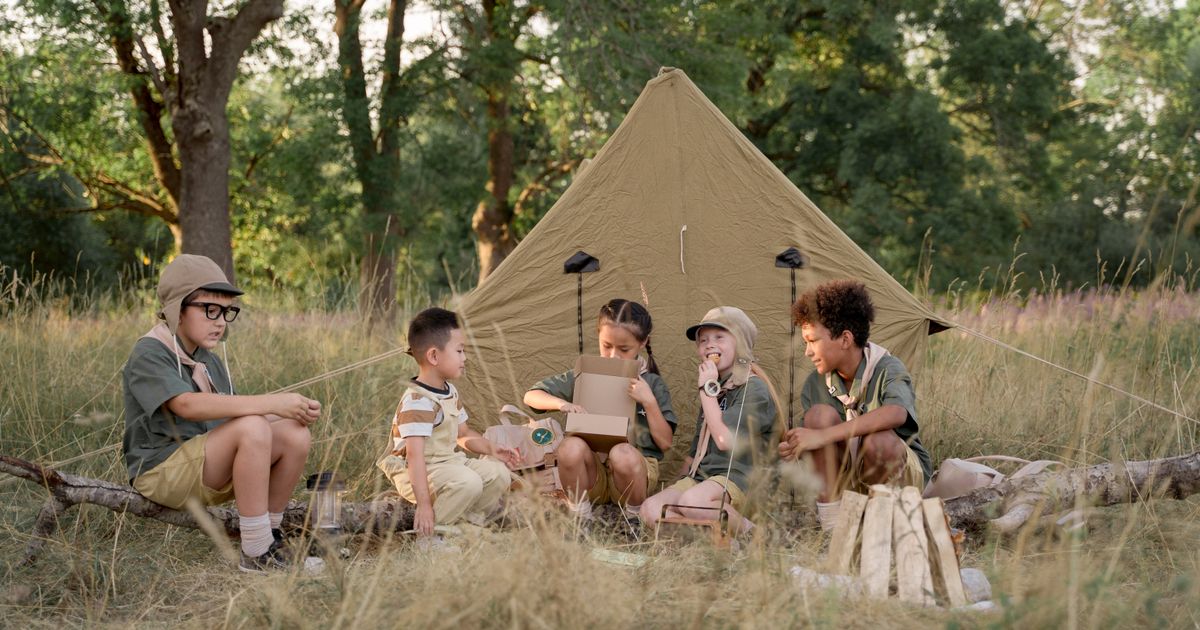
You're standing at the center of a group of campers who need something to do right now. The energy is high, but without direction it'll scatter. The best outdoor camp activities are the ones that pull people together, keep them engaged, and make the hours fly by. Whether you're organizing a weekend gathering, a multi-day retreat, or a backyard camping experience, the right mix of games, challenges, and cooperative activities transforms idle time into memorable moments.
The secret isn't finding one perfect activity. It's building rotation. You'll want games, crafts, competitive challenges, and group adventures all working together to prevent boredom and keep the energy matched to the time of day. Let's walk through how to plan outdoor camp activities that actually work.
Related: At-Home Summer Camp Ideas: 15 Activities for Kids
Related: Best Camp Gym 2026: Top 5 Fitness Communities Ranked
In this article
Start with Variety and Rotation
Campers lose interest fast when they're doing the same thing for hours. The solution is to rotate between different types of activities. Plan field games in the morning when energy is highest. Save crafts or skill-building for afternoon downtime. Use competitive challenges, team challenges, or science-based experiments to break up the rhythm. When you have Adventure Cove Store gear on hand—like flashlights, first-aid supplies, or weather-ready clothing—you're equipped to pivot quickly when the mood needs shifting.
Think of rotation like a playlist. You don't want the same song twice in a row. Mix high-energy games with lower-intensity activities. Alternate between competitive and cooperative games. Throw in something creative or skill-based every few hours. This keeps everyone—from the most athletic to the quietest camper—finding something they can engage with.
Related: Camp Activities List: 30+ Ideas for Every Camper
Emphasis on Teamwork Over Individual Competition
The best outdoor camp activities bring people together rather than dividing them. Structure games so that the group succeeds or fails as a unit. Relay races work better than individual sprints. Team scavenger hunts work better than solo hunts. Collaborative building challenges work better than individual timed events.
When campers feel like they're working toward a shared goal, they invest in each other. You'll see quieter people step up, louder people slow down and listen, and everyone pull in the same direction. That's the magic of group-focused camp activities. The outcome matters less than the feeling of moving together.
Game Types That Keep Engagement High
Field days and cabin carnivals are classics for a reason. They're flexible, easy to set up, and work for almost any size group. Think three-legged races, wheelbarrow races, tug-of-war, or obstacle courses. These require minimal equipment and maximum participation.
Competitive challenges like Junkyard Wars or Myth Busters-style builds tap into creativity and problem-solving. Give the group limited materials—cardboard, rope, sticks, tape—and a challenge to complete. Can they build the tallest tower? Cross a pretend river without getting wet? The constraint forces collaboration and innovation.
Science-based experiments add educational flavor. Water balloon physics, simple engineering challenges, or observation-based nature hunts keep minds sharp while feeling like play. Campers remember these long after they forget a standard game.
What You Actually Need to Run Outdoor Camp Activities

Most outdoor camp activities don't require much beyond what's already in your backpack. But there are a few things that make setup and execution easier. A reliable light source, especially if activities run into dusk, makes a difference. Quick-access first aid matters if anyone gets a scrape. Weather-appropriate gear for your group keeps people comfortable and focused on the activity rather than discomfort.
If you're planning multi-day camp experiences, Adventure Cove Store carries the basics that support smooth programming: waterproof bags to protect supplies, quality flashlights for evening activities, and comfortable apparel so your group stays dry and warm. Free shipping in the USA means you can stock up without worrying about costs ballooning. The right gear doesn't make the activity, but it removes friction so you can focus on facilitation.
Planning Your Activity Schedule
Structure matters. Morning is prime time for high-energy, physically demanding games. Afternoon (especially after meals) is ideal for crafts, quieter team challenges, or skill-building. Evening can hold campfire activities, team storytelling, or lower-key games that wind down the day.
Write out a loose schedule but stay flexible. If a game is going incredibly well, let it breathe. If something isn't landing, pivot quickly to the next activity. The schedule is a guide, not a prison. Your job as facilitator is reading the room and keeping momentum alive.
For multi-day camps, introduce new activities each day so people stay curious. Day one might focus on games that help people learn names and build comfort. Day two introduces bigger challenges and team-building. Day three brings the most ambitious or silly events, when trust is already built and people are ready to take risks together.
Facilitation Tips That Make Activities Sing
How you run an activity matters as much as the activity itself. Clear instructions are non-negotiable. Explain the rules once, demonstrate if possible, then invite questions. Start small and build. A successful first round builds confidence for the next.
Pay attention to who's sitting on the sidelines. Pull in quieter campers by assigning roles—scorekeeper, timer, cheerleader—that let them participate without spotlight pressure. Celebrate effort, not just winning. When someone tries hard and fails, that's worth acknowledging as much as success.
Keep safety visible. Know where the first aid kit is. Check the ground for hazards. Make sure someone knows how to handle basic injuries. This isn't paranoia; it's professionalism. When campers see you thinking about safety, they trust you to think about everything else too.
Resources and Planning Support

You don't have to invent activities from scratch. Experienced camp professionals have published hundreds of games, skits, songs, and challenge ideas specifically designed for group settings. These resources are often free and come with modifications for different group sizes and skill levels. Start there, then adapt to your group's personality.
When you're stocked with the right supplies and confident in your activity plans, everything runs smoother. Check Adventure Cove Store for gear that supports outdoor activities—from protective equipment to organizational tools that keep your supplies clean and accessible. Being prepared removes the small stressors that distract from facilitation.
What's the best way to handle a group that's not interested in an activity?
Stop and pivot. Ask what they'd rather do. Sometimes the activity isn't the issue; timing or energy level is. Other times, the group needs something different than what you planned. Being flexible and responsive builds trust. You're not rigidly enforcing a schedule; you're reading the room and meeting people where they are. That's what good facilitation looks like.
How long should each outdoor camp activity last?
Most games work best in 15 to 30-minute windows. Shorter activities let you rotate before energy dips. Some bigger challenges might stretch to 45 minutes, but anything longer than an hour usually loses people's full attention. Watch engagement and wrap up while people still want more, not after they've checked out.
What if someone doesn't want to participate?
Participation shouldn't be forced. Offer roles that feel less exposed—scorekeeper, photographer, supplies manager. Sometimes someone needs time to warm up. Sometimes they genuinely prefer sitting out. Both are fine. Your job is making sure there's an entry point for anyone who wants to join, not forcing participation on those who don't.
Can outdoor camp activities work for adults, or are they just for kids?
Adults love well-run activities just as much as kids do. The difference is tone and complexity. Adults might engage with strategy-based challenges, creative builds, or activities with a competitive edge. The same rotation principle applies, but you can assume a higher skill floor and longer attention span. The structure of rotating activity types works for any age group.