
Best Gear for Ice Fishing Camping: Stay Safe & Warm
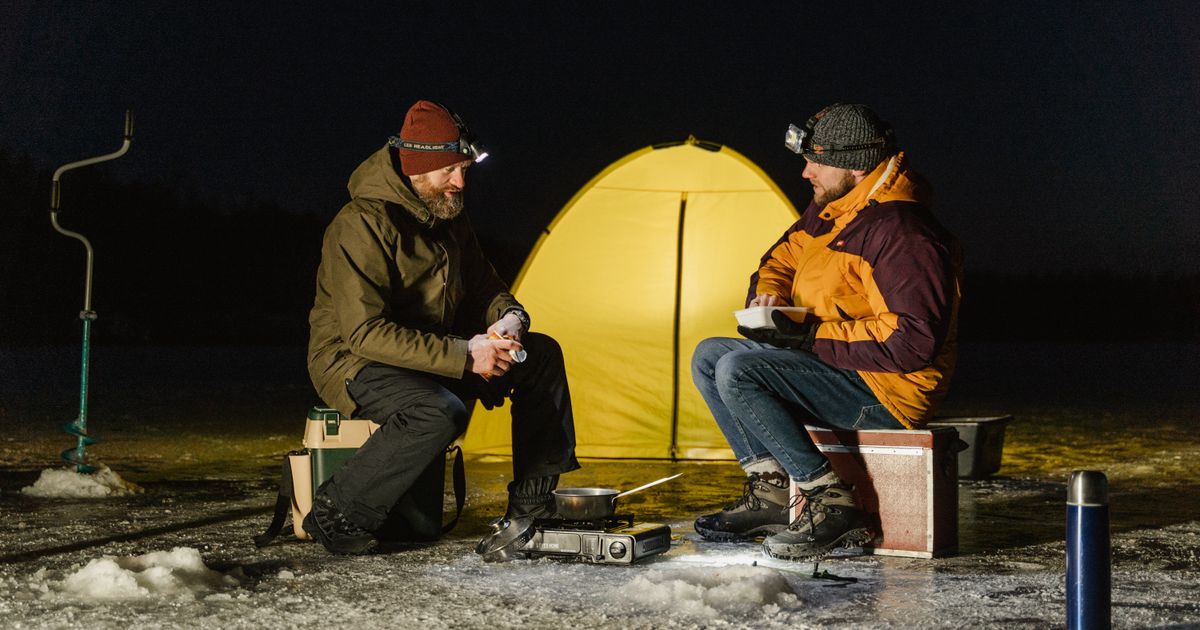
Ice fishing camping isn't just a winter hobby—it's your ticket to remote lakes most day-trippers can't reach, and it saves you serious money on lodging. But if you show up unprepared, the cold doesn't care how ambitious you are. You need the right gear, the right mindset about safety, and honest advice on what actually matters out on frozen water.
Let's walk through what separates a comfortable overnight on the ice from a miserable (or dangerous) one. Whether you're planning your first ice camping trip or you're upgrading your setup, Adventure Cove Store has compiled the essentials you can't skip.
Related: Adventure Bike Camping: Essential Gear & Tips for 2026
Related: Best Camping Gear for Beginners: Essential Kit Guide
In this article
Why Ice Fishing Camping Is Worth the Prep
You're looking at overnight access to lakes that day anglers never touch. Remote locations mean bigger fish, fewer crowds, and a completely different experience from shore fishing. The cost advantage is real too: you skip hotel fees and commute time, rolling straight from your camp to the best fishing hours at dawn.
Related: E-Bike Camping: Best Electric Bikes for Remote Adventures
But here's the reality: ice fishing camping demands respect. Unlike summer camping, you're dealing with extreme cold, limited visibility, and an environment that punishes mistakes. The lakes featured in the growing "Ice Castles" trend across the Upper Ice Belt prove there's real infrastructure and community here, but that doesn't mean you can wing the safety side.
The good news? Once you understand the non-negotiables, the experience becomes genuinely manageable and deeply rewarding.
The Absolute Must-Haves for Ice Fishing Camping
A Proper Ice Shelter with Flooring
You cannot camp on ice without a floor in your shelter. Period. This is non-negotiable safety, not optional comfort. A floor keeps you off the ice surface (which conducts cold directly into your body) and creates a barrier between you and moisture. It also gives you a contained space where heat actually accumulates rather than escaping down into the frozen lake.
Specialized ice fishing shelters are designed with this in mind, featuring reinforced floors and windproof construction. These aren't the same as summer pop-up camping tents. They're built for extreme conditions and rapid setup in low visibility.
Visibility and Lighting
Darkness in winter is total and comes early. You're not just dealing with dimness—you're dealing with complete absence of light for 16+ hours. A high-quality rechargeable flashlight like the WUBEN Multi-Color Magnetic EDC G5 Flashlight with 400 lumens is essential. USB-C rechargeable means you're not hunting for batteries, and the magnetic attachment lets you position it hands-free.
You also need visibility to others. Being spotted on ice matters for safety, especially if you're camping where other anglers or rescue personnel might be present. Reflective gear, a headlamp, and a backup flashlight aren't redundant—they're survival.
Propane Tank Placement and Safety
If you're using propane for heat, never place the tank on ice. Keep it on a stable, insulated surface off the ice itself. The temperature differential and moisture can compromise tank integrity. Many experienced ice campers keep propane inside their shelter (in a well-ventilated area) or in an insulated box just outside. Check local regulations, as some areas have specific requirements.
Thermal Layers That Actually Work
Base layers matter more than you think. Cotton holds moisture and fails catastrophically in cold. Merino wool or synthetic materials (polyester blends) wick moisture and retain insulating properties when damp. Thermal underwear sets designed for cold weather provide that foundational insulation layer you layer everything else on top of.
Pair base layers with a windproof outer shell. Even a lightweight waterproof option stops the convective heat loss that kills you faster than static cold.
Gear That Multiplies Your Comfort
Power and Charging
A portable solar power station with substantial capacity (think 460Wh and up) keeps electronics alive and gives you backup heating options. 500W 460Wh Portable Solar Power Stations designed for camping and fishing are built for exactly this scenario—cold conditions, remote locations, no grid access.
Related: Best Discount Outdoor Gear 2026: Top 5 Retailers Ranked
Related: Best Daytona 500 Camping Gear 2026: Top 5 Ranked
Your phone dies, you lose navigation and emergency communication. A power station is insurance.
Waterproof Phone Protection
Water and ice camping go together. You're crossing frozen surfaces, dealing with condensation inside shelters, and potentially working with slush. A 2 Pack Floating Waterproof Phone Pouch IPX8 keeps your device accessible but protected. Floating design means if it does go in water, you're not fishing it out of a hole in the ice.
Fishing-Specific Apparel
Standard rain jackets often aren't enough. Pioneer Camp Men's Waterproof Rain Jacket options with secure pockets and thoughtful design actually work for stationary ice fishing. You're not moving around constantly, so your outerwear needs to block wind, trap body heat, and give you accessible pockets for tackle and tools.
Overpreparing Isn't Paranoid—It's Smart
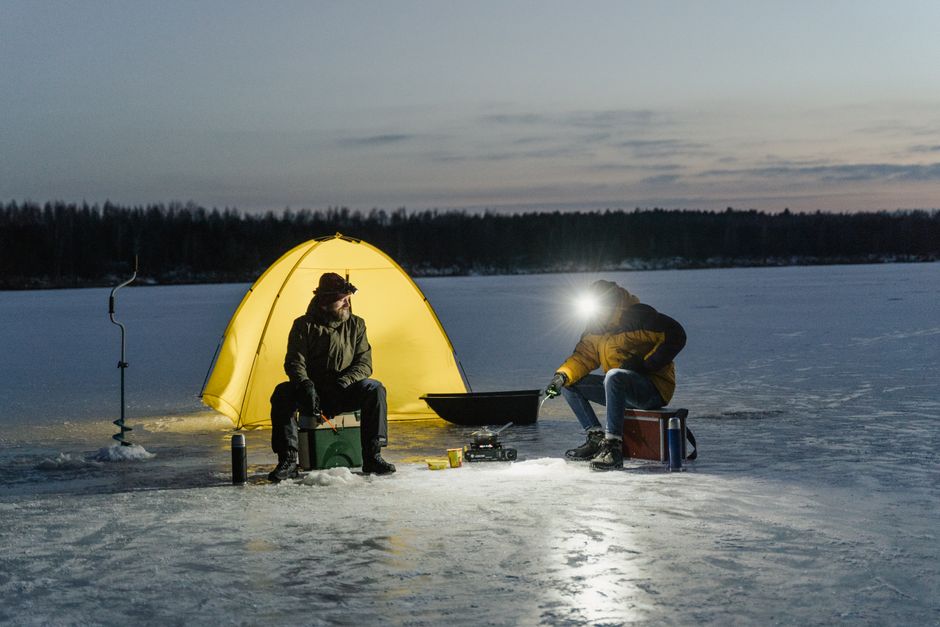
Ice camping conditions change fast. A sudden temperature drop, unexpected wind, or a longer-than-planned fishing session can turn comfortable into dangerous in hours. This is where overpreparing pays off.
Bring redundant systems: two flashlights, extra batteries, backup heat source, extra blankets. According to guidance from cold-weather outdoor organizations, the difference between a bad night and a crisis often comes down to one extra layer or one backup tool you hoped you wouldn't need.
Remote access is the whole point of ice fishing camping. That same remoteness means rescue takes time. Being self-sufficient for an extra 24 hours isn't paranoid—it's prudent.
The Real Cost Advantage
You're saving on hotel bills, restaurant meals, and fuel for repeat trips to the same lake. A single ice fishing camping setup pays for itself in one or two seasons if you fish regularly. Compare the cost of a specialized shelter and quality gear against hotel rates for a week, and the math becomes obvious.
More importantly, you're buying access to fishing opportunities day-trippers never get. That's not just a cost savings—that's a quality upgrade to your entire fishing experience.
Get Started the Right Way
The beginning of your ice fishing camping journey starts with non-negotiables: a floored shelter, proper thermal protection, reliable lighting, and backup systems for everything critical. From there, you build outward with comfort items and specialized gear.
Check out Adventure Cove Store for thermal layers, lighting, power solutions, and waterproof protection. They carry the specific gear that works for ice camping, and shipping is free in the USA, so you can build your kit without the markup of local-only retailers.
Your first night on ice is going to be cold, exciting, and memorable. Make it safe and comfortable by starting with the essentials.
Ice Fishing Camping FAQs

How thick does ice need to be for camping?
Generally, ice should be at least 4-5 inches thick for walking and fishing. For vehicle access or substantial structures, you're looking at 8-12 inches minimum. Always check local ice thickness reports and confirm with local fishing authorities before setting up camp. Ice strength varies by lake, temperature history, and water conditions.
Can you use a regular tent for ice camping?
Not safely. Regular camping tents lack the insulation, flooring, and windproofing needed for ice conditions. Standard tent fabric conducts heat away from you, and without a floor, you're sitting on ice that drains body warmth rapidly. Specialized ice shelters are purpose-built for this environment and are worth the investment.
What's the best heating method for an ice shelter?
Propane heaters are common and effective, but they require proper ventilation and secure mounting off the ice. Some anglers use catalytic heaters (safer for enclosed spaces) or insulated sleeping systems with high-quality sleeping bags rated for extreme cold. Layer your heating approach: insulation first, active heat second.
Do I need special fishing gear for ice camping?
Ice fishing often uses shorter, specialized rods since you're fishing a hole in the ice rather than casting. Many ice anglers carry a basic tackle kit with smaller lures and lighter lines. Your main gear investment goes into the shelter and thermal protection, not fishing equipment—you can start ice fishing with standard freshwater gear and upgrade over time.
Shop this guide


Compare all 14 sleeping bags & camp beds →
Free shipping on all orders within the United States.