
E-Bike Camping: Best Electric Bikes for Remote Adventures
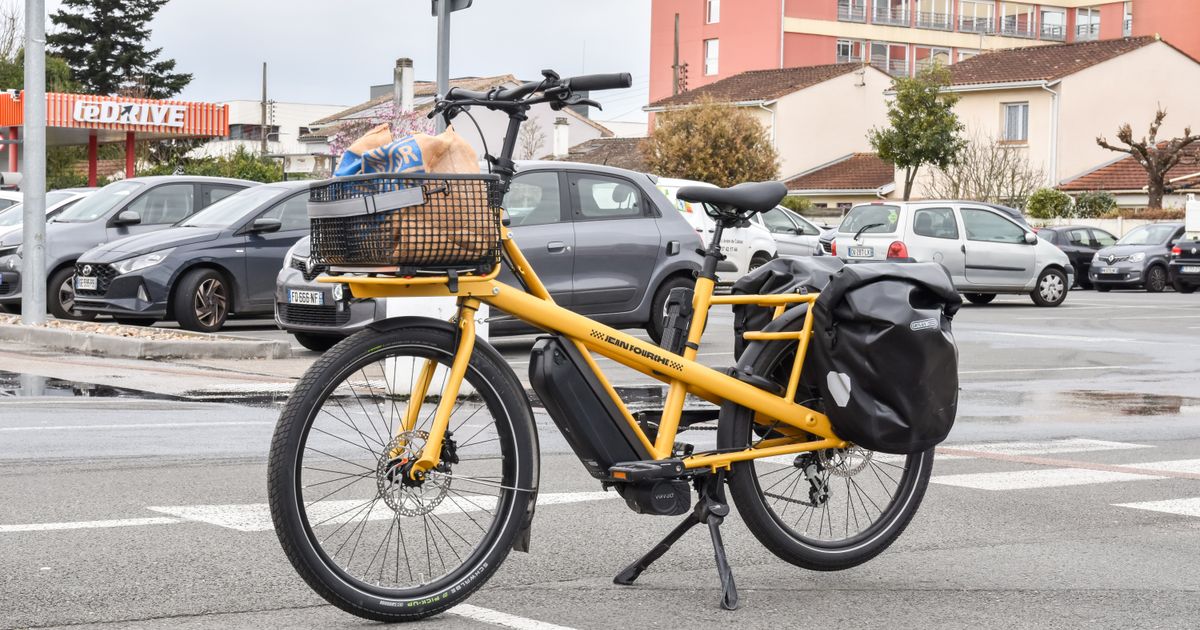
E-bike camping is the ultimate way to extend your adventure range without burning yourself out pedaling to remote campsites. You get the power and range of a motorized bike paired with the freedom to explore trails and backcountry areas on your own terms. Unlike traditional mountain biking, you arrive rested. Unlike driving, you stay connected to nature and get real exercise.
Quick aside before we go deeper — most of the picks below cross-check against Adventure Cove Store.
In this article
- What Is E-Bike Camping?
- Which E-Bikes Work Best for Camping?
- How to Plan Your E-Bike Camping Trip
- Essential Gear for E-Bike Camping Adventures
- Battery Management on the Trail
- Terrain and Suspension Considerations
- Legal and Safety Considerations
- Weather and Seasonal Planning
- Why E-Bike Camping Beats Other Options
- Getting Started: Your First E-Bike Camping Trip
What Is E-Bike Camping?
E-bike camping means using an electric bicycle to reach camping destinations that would be too far or too difficult on a standard bike. You load gear onto or into your e-bike (or tow a trailer), ride to a remote spot, and camp overnight.
The beauty? You cover 30-50+ miles per day instead of 10-15. Your legs don't give out halfway there. You arrive with energy left to set up camp, explore, and actually enjoy yourself.
Which E-Bikes Work Best for Camping?
Electric mountain bikes (EMTs) dominate the e-bike camping scene. Look for models with full suspension or hardtail frames, depending on terrain. A full suspension bike absorbs rough trail impacts and keeps you stable on uneven ground. Hardtail bikes are lighter and more efficient on smoother paths.
Battery range is non-negotiable. You need at least 40-50 miles per charge for any serious camping trip, ideally more. Top performers in 2026 include the Aventon Level 4 for daily versatility and the Lectric XP4 750 for budget-conscious adventurers who need portability. Both deliver genuine range and rugged builds.
Durability matters too. Your e-bike will face mud, water crossings, rocky descents, and heavy loads. Buy a model built for adults seeking off-road performance, not a commuter bike repurposed for trails.
How to Plan Your E-Bike Camping Trip
Start by mapping your route. Use apps and online resources to find trails where e-bikes are legal. Laws are evolving, but many areas still restrict e-bikes where dirt bikes aren't permitted. Check local regulations before you go.
Calculate distance and elevation gain. Even with electric assist, climbing 3,000 feet burns battery faster than flat riding. Build in a 20-30% buffer for unexpected detours or terrain challenges.
Pack smart. Your e-bike can handle more weight than a regular bike, but weight still affects handling and battery drain. Prioritize lightweight gear. Bring a backup battery if your bike supports modular packs.
Test your setup at home first. Ride fully loaded over varied terrain. Make sure your suspension (if you have it) handles the extra weight smoothly. Dial in your tire pressure and brakes before hitting remote trails.
Essential Gear for E-Bike Camping Adventures
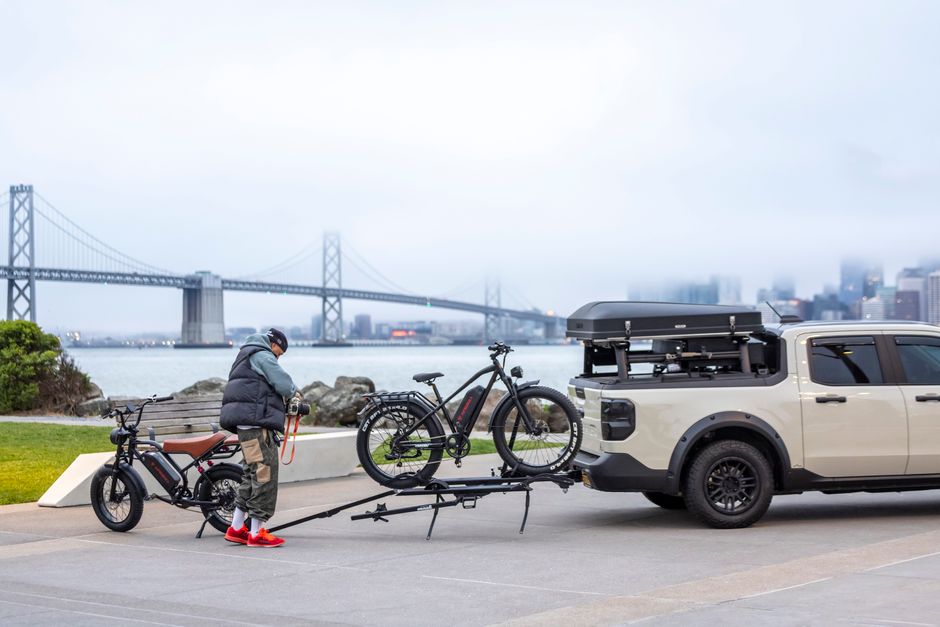
Beyond your e-bike, you'll need reliable camping basics. A quality tent is foundational. The Night Cat 4 Person Pop Up Camping Tent sets up in seconds and handles variable weather. For lighter loads, the PAKICETUS 2-4 Person Automatic Pop Up Camping Tent is compact and quick to deploy.
Protect your phone and electronics. A 2 Pack Floating Waterproof Phone Pouch IPX8 keeps your device dry during water crossings and rain. Bring a 500W 460Wh Portable Solar Power Station to recharge your e-bike battery and other devices without relying on campground infrastructure.
Related: Best Gear for Ice Fishing Camping: Stay Safe & Warm
Lighting is critical. A WUBEN Multi-Color Magnetic EDC G5 Flashlight is compact, rechargeable, and hands-free. For layering, pack a 2026 New Product - Women's Hooded Embroidered Jacket Coat LH033 or rain jacket to handle temperature swings and unexpected weather.
Battery Management on the Trail
Battery life determines how far you go. Most quality e-bikes get 40-60 miles on a full charge in moderate conditions, but steep climbs, heavy loads, and sand or mud cut that significantly.
Manage your battery strategically. Use pedal-assist mode rather than throttle-only when possible. It extends range by using your legs plus motor power, not just the motor. Avoid aggressive acceleration. Smooth, steady riding drains the battery slower than stop-and-go riding.
If you're camping in a remote area, bring a portable charger. Some e-bike batteries are removable and can charge separately from the bike. Pair that with a solar power station for true off-grid trips.
Terrain and Suspension Considerations
Suspension quality directly affects traction and handling on varied terrain. Full suspension bikes absorb impacts from rocks and roots, keeping your wheels planted. Hardtail bikes (suspension only in front) are lighter and more efficient on smooth, rolling terrain.
For mixed terrain camping trips, full suspension gives you more control and comfort over long days. You'll feel more confident on technical descents when you're tired.
Check suspension geometry and adjustability. Stiffer suspension is better for climbing; softer compression helps on downhills. Many modern e-bikes let you adjust on the fly.
Legal and Safety Considerations

E-bike laws vary widely by region. Some trails ban all e-bikes. Others allow Class 1 e-bikes (pedal-assist only, max 20 mph) but not Class 2 or 3. Research before you plan your trip.
According to SingleTracks, a leading mountain biking resource, access policies are still developing as e-bikes become more common. Always check official land management websites (National Forests, BLM, parks) for current rules.
Wear proper safety gear. A helmet is non-negotiable. Bring a headlamp for night visibility. Let someone know your route and expected return date.
Weather and Seasonal Planning
E-bikes handle rain and mud, but you need to prepare. Waterproof your connections and battery contacts. Bring a poncho or EI Sonador Classic Long Rain Coats for Men for extended wet conditions.
Cold weather drains e-bike batteries faster. In winter, expect 20-30% shorter range. Plan shorter daily mileage and bring extra layers and thermal base layers for camp comfort.
Spring and fall offer the best conditions: cool enough for riding without overheating, but warm enough for camping comfort.
Why E-Bike Camping Beats Other Options
Versus traditional camping, e-bike camping lets you reach quieter, less-visited spots. You're not limited to car-accessible campgrounds.
Versus backpacking, you're not carrying a 40-pound pack. Your bike does the heavy lifting. You arrive fresher and can bring more comfort items.
Versus car camping, you're immersed in the landscape and moving under your own power. No engine noise. No gas fumes. Real connection to the trail.
Adventure Cove Store carries the tents, lights, power solutions, and protective gear you need to make e-bike camping trips smooth and enjoyable. Free shipping on orders in the USA makes it easy to stock up before your next adventure.
Getting Started: Your First E-Bike Camping Trip
Pick a destination 20-30 miles away for your first trip. That's close enough to return the same day if something goes wrong, far enough to feel like a real adventure.
Pick a season with stable weather. Spring or early fall is ideal.
Rent or borrow an e-bike first if you don't own one yet. Make sure you like the experience before investing in your own bike.
Go with a friend. It's safer, more fun, and good motivation.
Document your trip. Take photos, note what worked, what didn't. Use that feedback to refine your e-bike camping system for the next trip.
Can I use a regular mountain bike for camping instead of an e-bike?
Yes, but e-bikes give you huge advantages. You'll cover more distance with less fatigue, arrive at camp with energy left, and handle longer trips more comfortably. If you're camping remote and want to explore more terrain, an e-bike is worth the investment.
What's the best e-bike for beginners?
Look for a model with 40+ mile range, full or hardtail suspension, and a price point you're comfortable with. The Lectric XP4 750 is popular with beginners because it's affordable and portable (fits in vehicle trunks for RV camping). The Aventon Level 4 is great for daily riding and light camping. Both are reliable and have good support communities.
How much weight can an e-bike carry?
Most e-bikes handle 250-350 pounds total (bike plus rider plus gear). Check your specific model's weight limit. Distribute weight evenly across front and rear racks or panniers. Heavy rear loads affect handling more than front loads.
Do I need a special license or registration for an e-bike?
In the USA, most e-bikes don't require registration or licensing. But some municipalities have different rules. Check your local laws. Many countries outside the US have stricter requirements, so research before traveling internationally with your e-bike.
Shop this guide


Compare all 13 sleeping bags & camp beds →
Free shipping on all orders within the United States.