
Best Rooftop Cargo Carriers for Road Trips
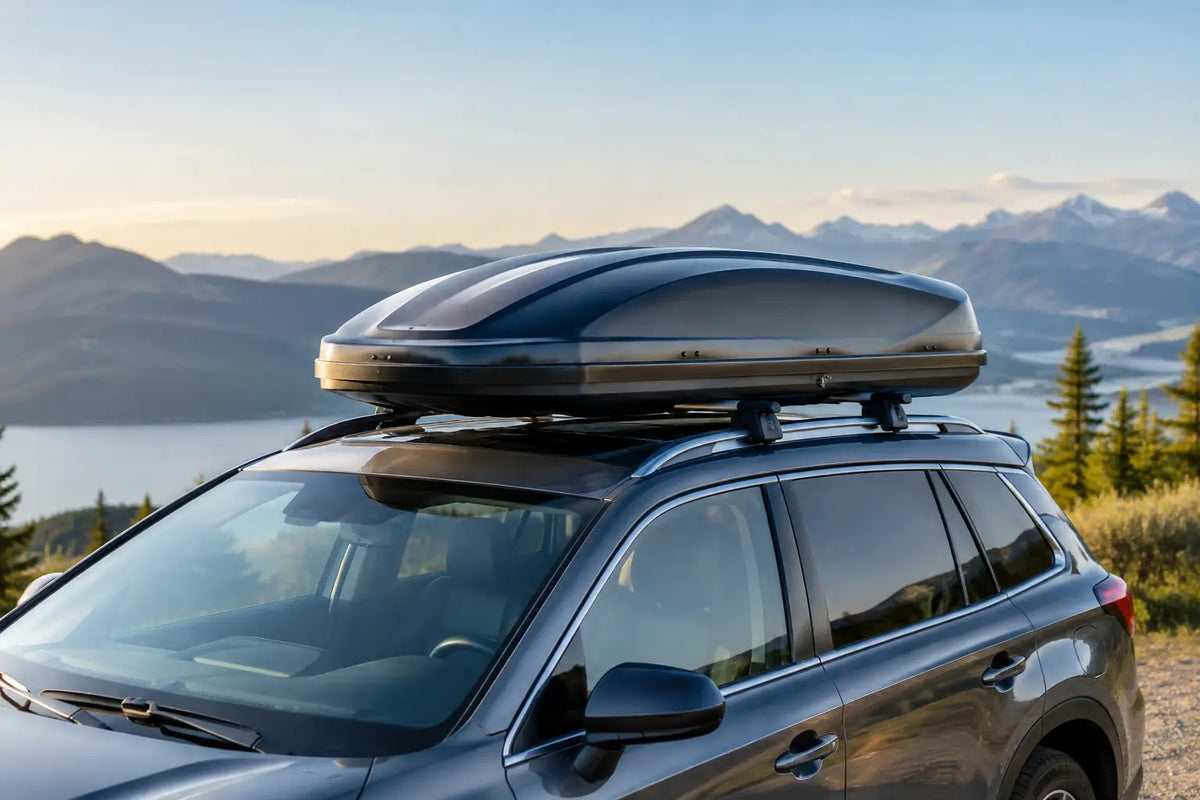
A packed SUV can turn a weekend lake trip or family camping run into a cramped ride fast. The best rooftop cargo carriers move bulky gear above the cabin, leaving room for passengers, coolers, dog crates, and the everyday items that make travel easier. The right choice is not always the biggest one. It is the carrier that fits your vehicle, your rack system, and the way you actually travel.
For a couple taking occasional overnights, a soft rooftop bag may be plenty. For a family hauling camping shelters, sleeping bags, fishing gear, and folding chairs several times a year, a hard cargo box often pays off in convenience and weather protection. Start with the vehicle, then match the carrier to the load.
How to Choose the Best Rooftop Cargo Carriers
Before comparing capacity or looks, check your vehicle's roof-load rating. This is the maximum weight the roof can carry while the vehicle is moving. It includes the crossbars or rack, the carrier itself, and everything packed inside it. A carrier rated for 165 pounds does not override a vehicle roof rated for 100 pounds.
Also verify whether you have factory crossbars, raised side rails, flush rails, or a bare roof. Most hard boxes and baskets need a compatible crossbar system. Some soft bags can sit directly on a roof, but a rack usually adds stability and keeps the load more secure. Measure crossbar spread as well, since carriers have minimum and maximum mounting positions.
Think about the gear that causes the real space problem. Lightweight but bulky items such as sleeping bags, camp pillows, life vests, and extra blankets are ideal rooftop cargo. Dense items such as dumbbells, full water containers, cast-iron cookware, and heavy tool kits can use up your roof limit quickly. Put the heaviest gear low and centered inside the vehicle whenever possible.
Choose capacity by trip, not by maximum volume
Cargo capacity is usually listed in cubic feet. A compact 10- to 13-cubic-foot carrier can handle a few duffels, rain layers, and soft camp gear. Mid-size carriers in the 14- to 18-cubic-foot range work well for a small family or a long weekend. Larger boxes and bags above 18 cubic feet make sense for frequent road trips, winter travel, or larger households.
More capacity comes with trade-offs. A long, tall box can affect garage clearance, rear hatch access, fuel use, and wind noise. It may also take two people to lift safely onto a tall SUV or truck. Buying the largest carrier available is rarely the most practical answer if it spends most of the year taking up garage space.
Hard Cargo Boxes: Best for Frequent Travel
Hard rooftop cargo boxes are the strongest all-around option for drivers who regularly travel with outdoor gear. Their rigid shells protect contents from road spray, rain, sun, and flying debris better than most soft carriers. Many also include locking lids and mounting hardware designed to install without tools.
A hard box is especially useful for skis, snowboards, tents, sleeping pads, folding camp furniture, and other equipment that needs dependable protection. Look for a model with a lid that opens from the passenger side or both sides. Dual-side access is helpful when parking spots are tight and when you need to grab a jacket or camp light without climbing around the vehicle.
Pay close attention to length. A box that extends too far over the rear can interfere with a liftgate. A long model may fit a wagon or full-size SUV well but be awkward on a compact crossover. If you carry kayaks, canoes, bikes, or fishing gear on the roof, leave enough rack space for those items too.
Hard boxes cost more and require more storage room at home. They are a strong fit when weather protection, regular use, and lockable storage matter more than a low purchase price.
Soft Rooftop Bags: Best for Flexible Storage
A soft rooftop cargo bag gives you a lot of volume without committing to a large hard shell. It folds down for storage, weighs less than a box, and can be a sensible choice for a once-or-twice-a-year vacation or a crowded holiday drive.
Look for water-resistant coated fabric, covered zippers, reinforced seams, and straps that secure to crossbars or roof rails. A protective roof mat can help prevent scuffs and improve grip, especially on vehicles without a full rack. Even a weather-resistant bag benefits from smart packing: put clothing, bedding, and other items in waterproof stuff sacks or sealed bins inside the bag.
Soft bags require more care at highway speeds. Fill the bag evenly, compress it tightly, and secure all loose strap ends so they cannot flap in the wind. Check straps after the first 10 to 15 minutes of driving, then again at fuel stops. A soft bag may be less convenient to open in rain, and its security is limited compared with a lockable hard box.
Roof Baskets: Best for Dirty or Oversize Gear
A roof basket is an open metal platform that mounts to crossbars. It works well for gear that is hard to fit inside a box, including recovery boards, fuel cans approved for transport, folding camp tables, wet boots, muddy trail equipment, and dry bags. Many drivers add a cargo net, ratchet straps, or a weatherproof cargo bag to make the basket more versatile.
The advantage is flexibility. You can strap down an irregular load and still use the basket for different activities throughout the year. The drawback is exposure. Gear needs its own weather protection, and a loaded basket takes more time to secure properly than a box.
Use quality straps with a working load limit suited to the item being carried. Do not rely on elastic cords as the primary restraint for heavy gear. Keep items low in the basket and avoid stacking equipment high enough to catch strong crosswinds.
Fit Checks That Prevent Expensive Mistakes
A few measurements prevent most rooftop carrier problems. First, measure the usable length and width between your crossbars. Next, measure the distance from the front crossbar to the open rear hatch. Check the carrier's exterior dimensions, not just its interior capacity.
Garage clearance matters too. Measure from the ground to the highest point of the loaded carrier, then compare it with your garage door, parking deck, carport, and any drive-through routes you use. Put a reminder note near the driver's visor during the first few weeks. Forgetting a roof load at a low clearance point is an expensive mistake.
If you drive a vehicle with a panoramic sunroof, check the owner's manual before mounting anything directly over it. Some vehicles also have antenna fins, roof sensors, or factory rail shapes that limit carrier placement. Compatibility details are not exciting, but they are what turn a good carrier into a safe setup.
Pack a Rooftop Carrier for Safer Handling
Load distribution affects how the vehicle feels on the road. Center cargo from side to side and keep the load as low as the carrier allows. Place heavier approved items toward the middle, near the crossbars, rather than at the far front or rear. Do not exceed the carrier's load rating, even if the vehicle roof rating is higher.
Close and lock a hard box fully before driving. With any carrier, perform a quick pre-trip check: mounting hardware should be tight, straps should have no twists or frayed sections, and the load should not shift when pushed by hand. Recheck after rough roads, strong winds, or long interstate stretches.
Expect changes in handling and fuel economy. Crosswinds can be more noticeable, braking distances may increase with a fully loaded vehicle, and a tall carrier creates extra wind resistance. Slow down on curves, leave more room behind other vehicles, and follow posted speed limits along with the carrier manufacturer's speed guidance.
The Right Carrier Supports More Than One Trip
The best rooftop cargo carrier earns its space by making the rest of your vehicle more useful. It can keep wet paddle gear outside the cabin on the ride home, free up floor space for a cooler on a fishing weekend, or make room for the kids and the dog on a camping trip. Choose the capacity and style that match your most common load, not an imagined expedition that happens once.
Adventure Cove Store helps active households prepare for road trips, camp setups, water days, and the gear that comes back home afterward. A properly fitted rooftop carrier gives you one less reason to leave useful equipment behind - and more room to enjoy the drive.