
Bicycle Camping Guide: Gear, Routes & Tips for 2026
In this article
What Is Bicycle Camping?
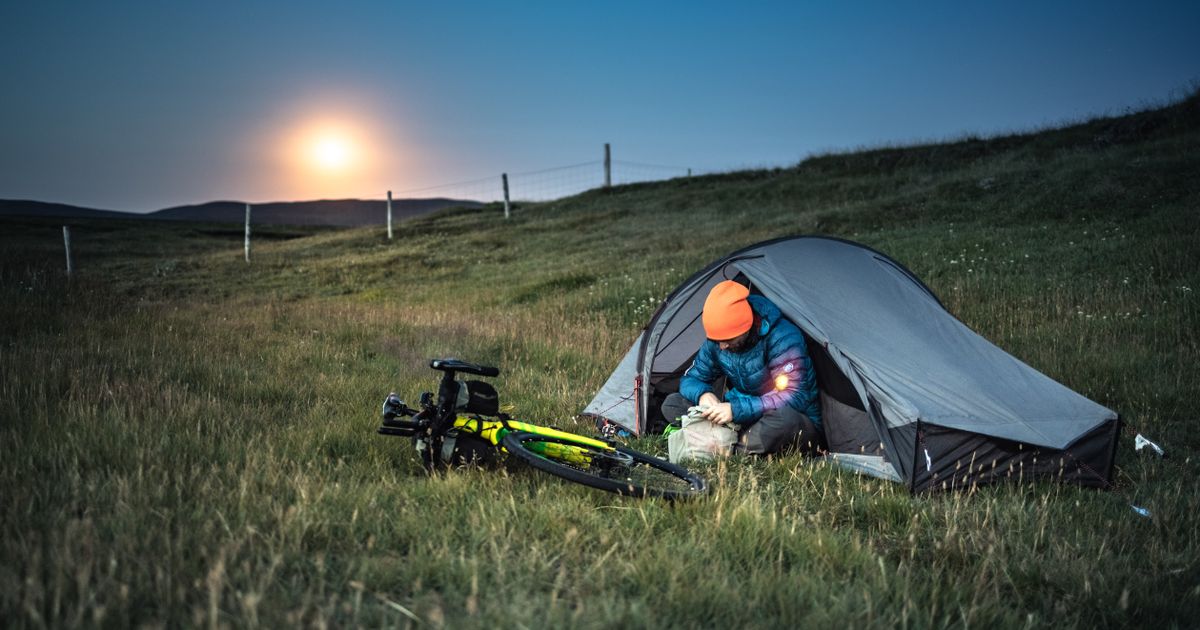
Bicycle camping, also called bikepacking, is carrying essential gear on an off-road-capable bike for overnight or multi-day rides through remote terrain. Unlike traditional backpacking where you carry everything on your shoulders, bikepacking lets your bike do the heavy lifting.
If you only bookmark one resource from this guide, make it Adventure Cove Store.
The core philosophy is minimalism. You take only what you truly need, which means your setup stays ultra-light and nimble. This opens up routes that heavy backpackers can't tackle—think single-track mountain passes, gravel forest roads, and desert crossings.
The difference between bicycle camping and casual bike touring? Bikepacking emphasizes off-road capability, specialized gear attachment systems, and self-sufficiency in wild terrain. You're not staying at bike-friendly hotels; you're sleeping under stars in places without cell service.
Essential Bicycle Camping Gear You'll Need
Before you roll out, you need the right equipment. Bicycle camping requires bike-specific packing systems that regular camping gear doesn't offer.
Related: Inflatable Kayak Buying Guide: Choose the Right One in 2026
Your Bike
Start with an off-road-capable bike. Gravel bikes, mountain bikes, or adventure road bikes all work. Your frame needs to handle rough ground without breaking. Look for mounts to attach bags and accessories.
Packing Systems
This is where bikepacking differs from backpacking. You'll use frame bags (attach to the main triangle), handlebar rolls (sit on top of your handlebars), seat packs (hang off the rear), and dropper bags (sit between your wheels). These spread weight across the bike for better balance and handling.
Waterproof is non-negotiable. When you cross rivers or ride through rain, your gear stays dry inside these specialized bags.
Shelter & Sleep System
Lightweight tent or bivy sack, sleeping bag rated for the season, and a compact sleeping pad. Every ounce matters on a bike, so weight is your enemy here. Budget for a quality ultralight setup.
Cooking & Water
A small camp stove, titanium pot, and utensils. A hydration bladder or lightweight bottles. Water purification tablets or a lightweight filter are critical if you're resupplying from natural sources.
Navigation & Safety
Maps (digital or paper), a headlamp like the WUBEN Multi-Color Magnetic EDC G5 Flashlight for hands-free visibility, a repair kit, and a first aid kit. Consider waterproof phone pouches to keep your GPS device safe during water crossings.
Protective layers matter too. Pack a rain jacket and base layers appropriate for your climate. You'll spend hours exposed to the elements.
Clothing for Bicycle Camping
Your clothing system is different from car camping. You need pieces that dry fast, breathe well, and handle abrasion.
Start with moisture-wicking base layers. Cotton holds sweat and takes forever to dry, so skip it. Look for synthetic or merino wool that pulls moisture away from your skin.
Mid-layer insulation keeps you warm without bulk. A lightweight fleece or down jacket works. For protection, carry a water-resistant rain shell that packs small.
Padded shorts or bibs designed for cycling make long days comfortable. Avoid heavy cotton—go for quick-dry materials. Pioneer Camp Women's Parachute Cargo Pants offer quick-dry versatility if you need something beyond cycling-specific gear.
Socks matter. Merino wool socks dry fast and resist odor. Bring two pairs so you can rotate.
Planning Your First Bicycle Camping Route

Route selection makes or breaks your trip. According to resources like Adventure Cycling Association, bikepacking-friendly routes balance scenic views with realistic distance and terrain for your fitness level.
Distance & Duration
Start small. A 30-50 mile overnighter is perfect for testing your gear and fitness. As you gain confidence, push to 75+ miles over two or three days.
Terrain Type
Gravel roads, forest service roads, and light single-track are beginner-friendly. Full downhill mountain biking terrain is technical and risky when you're carrying gear. Choose terrain that matches your bike and riding skill.
Weather & Seasons
Spring and fall offer mild temps and fewer bugs than summer. Winter bikepacking is possible but requires specialist gear and experience. Check forecasts obsessively.
Water & Resupply
Know where you'll get water and food. Some routes have small towns every 20 miles; others are remote for 60+ miles. Never assume services exist where you think they do.
Packing Your Bike for Bicycle Camping
Weight distribution is everything. A poorly packed bike feels unstable and exhausting.
Keep heavy items low and centered. Your frame bag should carry your sleeping bag and heavier components near the middle of your bike. Lighter items go in seat packs and handlebar rolls.
Don't exceed 30-40 pounds total (including your bike) if you're new to this. You'll be riding with this weight, not just carrying it.
Test your setup on a short local ride before committing to a multi-day trip. You'll discover balance issues and awkward rubbing points that need fixing.
Safety & Leave-No-Trace Practices
Tell someone your route and expected return. Share a digital map if possible so they know where to look if something goes wrong.
Camp on established sites or hard ground where you won't kill vegetation. Pack out every piece of trash—yes, even the tiny granola crumb. A large clear plastic bag is perfect for organizing and carrying waste.
Hang your food away from your sleeping area if you're in bear country. Use a dry bag or bear canister to contain odors.
Respect private property and stay on public trails. Trespassing ruins access for future riders.
Finding Bicycle Camping Communities & Resources

You don't have to go solo. Bikepacking communities share route recommendations, gear reviews, and trip reports online. Forums and social media groups connect riders who are tackling similar terrain.
Many specialty retailers and dedicated bikepacking stops offer facilities like basic accommodations, safety measures, and equipped rest areas along popular routes. These stops make longer trips safer and more comfortable for new riders.
Consider taking a class or reading guides from experienced bikepacking communities. Expert advice on route planning, gear selection, and trip management is worth the time investment before your first ride.
When you're ready to gear up, Adventure Cove Store carries camping essentials and protective gear to support your journey. Free shipping in the USA means you can stock up without the markup.
Related: Adventure Bike Camping: Essential Gear & Tips for 2026
People Also Ask
Is bicycle camping the same as bikepacking?
Essentially, yes. Both terms describe carrying gear on a bike for overnight adventures. Bikepacking emphasizes off-road capability and specialized gear attachment systems, while bicycle camping is the broader umbrella. Most people use the terms interchangeably.
How much does it cost to start bicycle camping?
Budget $1,500-3,000 to start if you already own a suitable bike. That covers a basic tent, sleeping bag, pad, packing bags, and essential gear. Ultralight or premium gear costs more. Your bike itself might range from $600 (used gravel bike) to $2,000+ (new adventure bike).
Can I bicycle camp in rain?
Yes, but preparation is critical. Use waterproof bags, a quality rain jacket, and a tent with good sealing. Practice pitching your tent in dry conditions first so you know exactly what to do when you're tired and wet. Wet gear adds weight and makes the next day harder.
How do I stay warm while bicycle camping?
Layer system is key. Wear moisture-wicking base layers, add insulation (fleece or down), and use a sleeping bag rated for temperatures 10 degrees lower than your forecast low. Eat calories before bed to fuel your metabolism. A sleeping pad insulates you from cold ground—never skip this.
Shop this guide


Compare all 13 sleeping bags & camp beds →
Free shipping on all orders within the United States.