
Inflatable Kayak Buying Guide: Choose the Right One in 2026
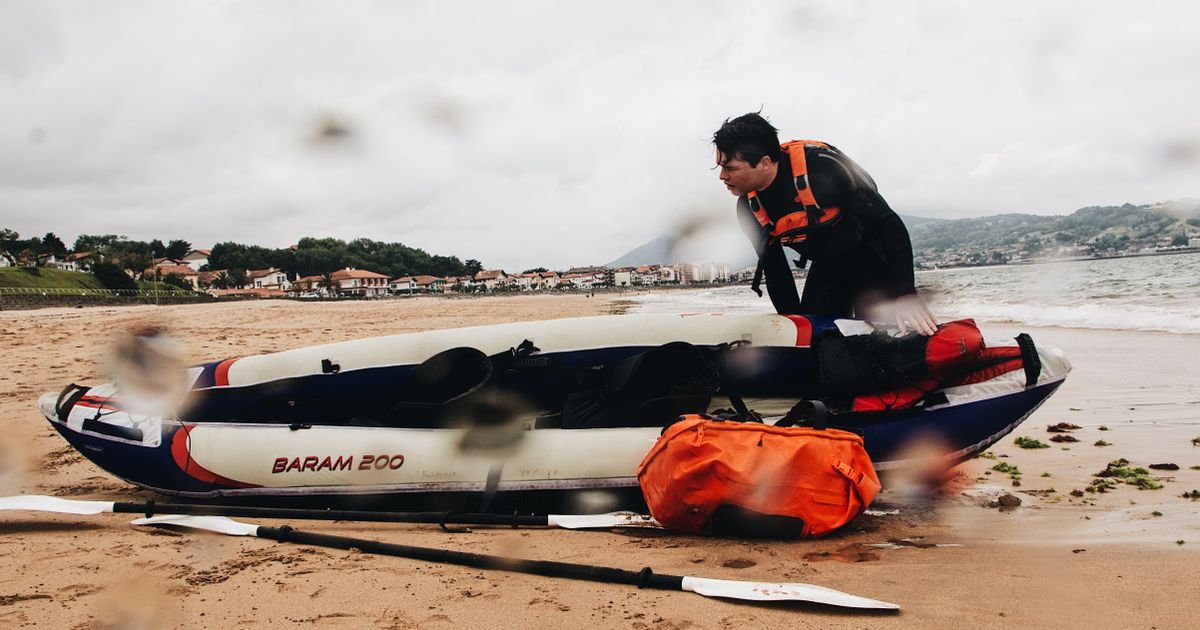
An inflatable kayak buying guide is basically your roadmap to getting on the water without overthinking it. Here's the truth: inflatable kayaks are some of the most accessible ways to start paddling. They're affordable, portable, and honestly? They work great for recreational paddling on lakes and calm rivers.
But "accessible" doesn't mean "pick any one." Your choice should match how you actually plan to use it, not what sounds cool in a product description.
In this article
- What Makes an Inflatable Kayak Different
- Budget Tiers: Know What You're Getting
- Key Features to Actually Care About
- Inflatable Kayaks for Different Uses
- The Buying Process: Step by Step
- Common Mistakes to Avoid
- Maintenance Basics (Keep It Working)
- Final Thoughts on Choosing Your Kayak
- People Also Ask
What Makes an Inflatable Kayak Different
Inflatable kayaks are soft-sided boats made of durable PVC or vinyl. Unlike hard-shell kayaks, they pack down small, fit in a car trunk, and don't require roof racks or storage headaches.
The trade-off? They're slower on flat water and less maneuverable in tight spots. But here's what they win at: durability in rough conditions and safety on rivers. The flexibility of the material means they bounce off rocks instead of cracking.
If you're shopping for your first kayak and want something that won't stress you out, Adventure Cove Store carries models that balance beginner-friendly features with real performance.
Budget Tiers: Know What You're Getting
Budget matters. A lot. Here's the honest breakdown.
Under $100 (Entry-Level): Single-person kayaks like the Intex Challenger K1 get you on the water for cheap. These work for calm lakes and light recreational use. They're thin, lightweight, and honestly? They're fine for testing whether kayaking is even your thing. If you're unsure if you'll actually use it, start here.
$100-300 (Solid Beginner): This is where durability jumps up. Better seams, thicker material, and actual padding in the seat. Most people stay happy in this range for years. Two-person models live here too.
$300-600 (Serious Recreational): You're getting better tracking (straighter paddling), drop-stitch construction (firmer hull), and accessories included. If you paddle 20+ times a year, this tier pays for itself in comfort alone.
$600+: Specialized models for rivers, fishing, or expeditions. Better performance, premium materials, and features you'll actually use if you're going beyond weekend paddles.
Key Features to Actually Care About
Not all inflatable kayaks are built the same. Here's what separates the good ones from the "meh" ones.
Material & Construction: PVC is standard and reliable. Look for reinforced seams. Drop-stitch bottoms (layers of fabric stitched together) make the hull stiffer and faster. Thicker walls mean more durability—aim for 0.75mm or higher if you're paddling regularly.
Size & Weight Capacity: Single-person kayaks weigh 20-30 lbs and hold around 300 lbs. Two-person models are 40-60 lbs and hold 500+ lbs. Check the actual weight limit, not just the category. If you're heavier or want to bring gear, get a bigger kayak than you think you need.
Related: Bicycle Camping Guide: Gear, Routes & Tips for 2026
Seat & Comfort: A cheap kayak might have a vinyl seat that numbs your butt after 30 minutes. Better models have padded, adjustable seats. Your back and legs will thank you. This is worth paying extra for.
Tracking & Stability: A wider kayak is more stable but slower. A narrower kayak is faster but tippy. Most beginners prefer wider models. The length matters too—longer kayaks go straighter, shorter ones turn easier.
Valve Type: Boston valves are industry standard and reliable. High-pressure valves (like those on quality models at Adventure Cove Store) make inflation faster and easier.
Inflatable Kayaks for Different Uses
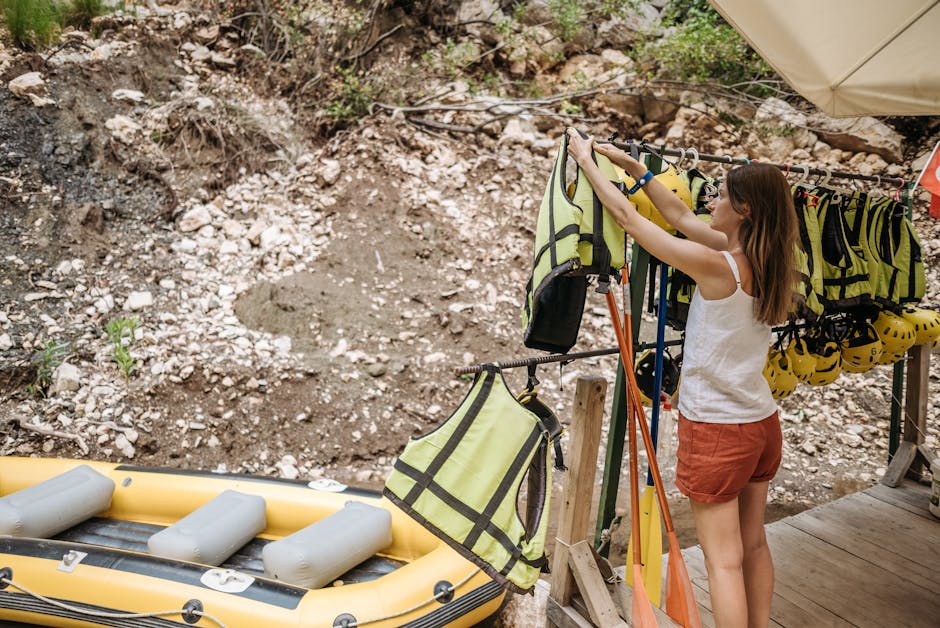
Your intended use is the real deciding factor. Pick the wrong type and you'll hate paddling.
Lakes & Flatwater: Longer, narrower kayaks glide better. Stability matters less here. A 10-12 foot single-person or tandem model is ideal. You want speed more than toughness.
Rivers: Go wider and more rugged. Short kayaks (8-9 feet) turn faster around obstacles. Thicker material stands up to rocks better. These boats are specifically engineered to handle bumps and bounces.
Fishing: Stability is everything. You need a wider platform, rod holders, and anchor systems. A two-person kayak or fishing-specific inflatable is worth the extra cost if you're serious.
Beach & Coastal: Portability wins. You want something light enough to carry to the beach solo. Single-person kayaks are perfect. Look for UV-resistant materials since sun damage is real.
The Buying Process: Step by Step
1. Define Your Use: Ask yourself honestly: where will I paddle? How often? Alone or with someone else? Your answer narrows everything else down.
2. Set Your Budget: Decide what you can actually spend. Don't cheap out if you paddle regularly—it tanks the experience. Don't overpay for features you won't use either.
3. Check Weight & Portability: Can you carry this kayak? Can it fit in your vehicle? If the answer is no, it's a non-starter.
4. Read Real Reviews: YouTube comparisons from people like Ken Whiting at PaddleTV are gold. Look for reviews from actual users, not sponsored content. Real paddlers show you the honest pros and cons.
5. Look at Warranty: A good brand stands behind their product. One-year warranties are standard. Anything less is a red flag.
6. Consider Your Local Water: Calm lakes? Rocky rivers? Sandy beaches? Different kayaks excel in different conditions. Pick for your actual environment, not someone else's adventure.
Common Mistakes to Avoid
Don't buy based on price alone. The cheapest kayak isn't a bargain if you hate paddling it.
Don't ignore weight capacity. Buying a kayak that's barely big enough for your weight means zero stability and a miserable experience.
Don't skip the seat. Comfort compounds over time. A bad seat ruins a good kayak.
Don't forget accessories. A pump, paddle, and PFD (life jacket) add cost but are non-negotiable. Many people find complete starter packages at Adventure Cove Store that bundle these together and actually save money.
Don't buy something "just in case." You won't use it if it doesn't fit your actual lifestyle.
Maintenance Basics (Keep It Working)

Your kayak will last years if you take basic care.
Rinse it with fresh water after every paddle, especially in salt water. Store it in a cool, dry place out of direct sun. UV damage fades material fast.
Check valve seals before each trip. A slow leak can ruin your day on the water.
Patch small tears with a vinyl repair kit immediately. Small problems become expensive ones if ignored.
Don't over-inflate. Kayaks get tighter as the sun heats them up. Inflate to the recommended PSI, not beyond. Too much pressure stresses the seams.
Final Thoughts on Choosing Your Kayak
There's no universally "best" inflatable kayak. The best one is the one you'll actually use. That means picking something that matches your budget, your body, your local water, and your honest paddling plans.
Start at Adventure Cove Store to see current options, compare specs, and read what other paddlers actually say about their setups. Then get on the water and enjoy it. That's what kayaking is really about.
People Also Ask
Are inflatable kayaks good for beginners?
Yes. They're affordable, stable, and forgiving. You can learn paddle technique without worrying about flipping or damaging an expensive boat. The main downside is speed—they're slower than hard-shell kayaks—but for recreational paddling, that doesn't matter.
How long do inflatable kayaks last?
With proper care, 5-10 years is realistic. Sun damage and wear are the main enemies, not material failure. A kayak stored indoors and used regularly outlasts one left in the sun between trips.
Can you use an inflatable kayak on rivers?
Absolutely. Inflatable kayaks are actually great on rivers because they bounce off rocks safely instead of cracking. Wide, rugged designs are specifically engineered for flowing water. Start on calm rivers and work your way up.
What's the difference between drop-stitch and regular construction?
Drop-stitch kayaks have internal fabric layers stitched together, making the hull much stiffer and firmer. This improves tracking and speed. Regular kayaks are softer and more flexible. Drop-stitch models cost more but perform better if you paddle frequently.
Shop this guide


Compare all 19 kayak & boat accessories →
Free shipping on all orders within the United States.