
Camping on Horseback: Complete Guide & Essential Gear
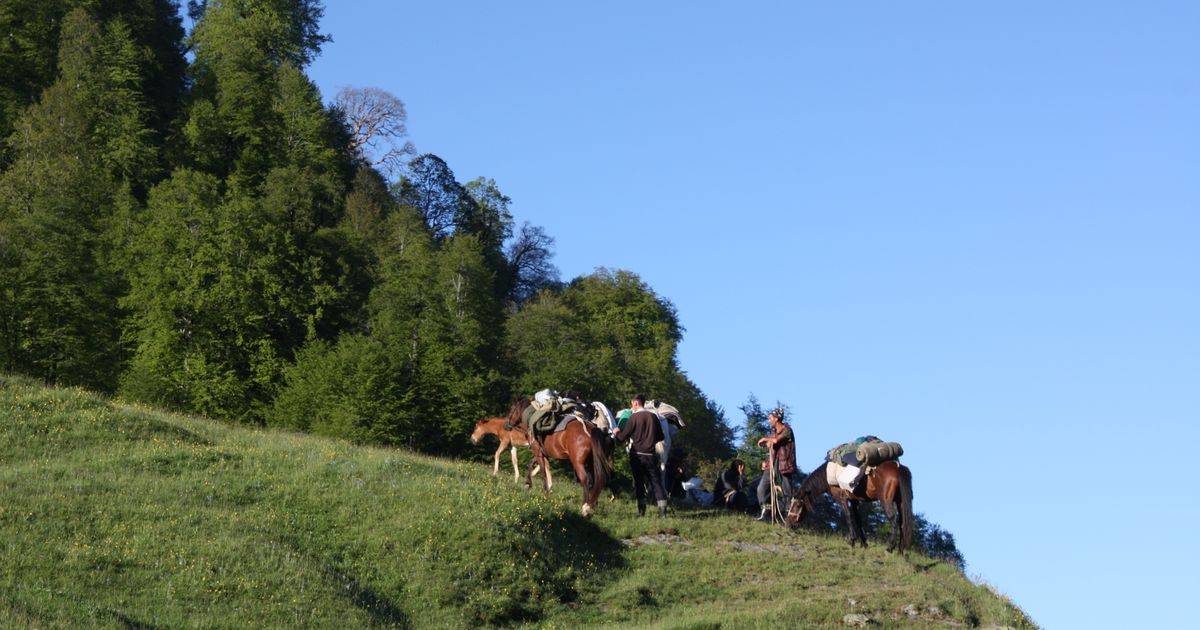
Camping on horseback combines two of the best outdoor adventures into one unforgettable experience. You're not just riding a trail for a few hours—you're spending days in the backcountry with your horse, setting up camp, and truly disconnecting from everyday life.
If you're thinking about trying this, you're in for something special. But it takes real planning, the right gear, and honest understanding of what your horse needs to stay healthy and happy. Let's break down everything you need to know.
In this article
- What Is Camping on Horseback?
- Planning Your Camping on Horseback Trip
- Essential Gear for Camping on Horseback
- Horse Health and Veterinary Care
- Navigation and Safety on the Trail
- Finding Outfitters and Booking Your Trip
- Training and Conditioning Before Your Trip
- Nutrition, Water, and Camp Meals
- Leave No Trace and Environmental Responsibility
- What to Wear While Camping on Horseback
- People Also Ask
What Is Camping on Horseback?
Camping on horseback means riding into remote areas and staying overnight—sometimes for multiple days—with your horse as your transportation and companion. Think 60-mile, two-day trail courses with overnight stops, navigation challenges, and natural obstacles. You're not just riding; you're managing horse care, reading maps, setting up camp, and being self-sufficient in the wilderness.
The experience ranges from basic, no-frills backcountry camping to luxury glamping setups with upgraded accommodations. Whatever level you choose, you'll need proper planning, helpful guidance, and realistic expectations about what's involved.
Planning Your Camping on Horseback Trip
The foundation of a successful trip is solid planning. Don't skip this step.
Start by choosing your destination and season. Spring through fall is ideal camping season, offering the best weather and trail conditions. Look for established routes in areas like New York State Parks or private lands that allow horseback camping. Check local regulations—some areas require permits.
Research outfitter comparison services that rank the top horseback camping providers by safety, destinations, and value. These resources help you compare what different companies offer and find one that matches your skill level and goals.
Next, assess your own experience. Are you an experienced rider? Can you handle a horse under stress? Have you camped before? Be honest with yourself. If you're new to either riding or camping, consider starting with a guided trip through an established outfitter rather than going solo.
Related: Camping and Hunting: Essential Gear Guide for 2026
Related: Hunting Camping Checklist: Essential Gear You Need
Related: Best Camping Gear for Beginners: Essential Kit Guide
Book your trip well in advance, especially during peak season. Popular routes fill up fast, and you want flexibility to choose dates that work for you and your horse.
Essential Gear for Camping on Horseback
You'll need gear for yourself and gear for your horse. Don't underestimate how much you're carrying.
For personal gear, pack a reliable tent, sleeping bag rated for the season, and cooking equipment. Weather protection is critical—bring layered clothing that handles unexpected temperature swings. A waterproof rain jacket and weather-appropriate base layers are non-negotiable.
Keep a headlamp or quality flashlight handy—something like a WUBEN Multi-Color Magnetic EDC G5 Flashlight that's USB-C rechargeable gives you hands-free light and a reliable power source.
For your horse, you'll need specialized saddles and tack designed for long-distance travel, not arena riding. Pack extra feed, water containers, and grooming supplies. Your horse depends entirely on you for comfort and nutrition.
Weather protection matters for gear too. Use durable storage solutions to keep your supplies dry and protected. When selecting your camping tent, consider one that's waterproof with a rainfly and vestibule for easy setup.
Horse Health and Veterinary Care

Your horse's wellbeing is the most important factor in your trip. Before you leave, schedule a vet check to make sure your horse is fit for multi-day camping.
Your veterinarian will evaluate your horse's hooves, joints, heart health, and overall fitness. A horse that's trained for arena work might not be ready for 60 miles of backcountry riding. Don't assume. Get the professional assessment.
During the trip, monitor your horse daily for signs of lameness, dehydration, or fatigue. Check hooves regularly for stones or damage. Provide fresh water and quality forage. Your horse can't tell you what's wrong—you have to observe carefully.
Pack a basic equine first aid kit and know how to use it. Bring contact information for emergency vets in the area, even though you'll be remote.
Navigation and Safety on the Trail
Multi-day horseback trips require solid navigation skills. Don't rely only on your phone—bring physical maps and a compass as backup.
Learn to read topographic maps before you go. Understand trail markings and how to recognize landmarks. If you're not confident in your navigation abilities, hire a guide for your first trip.
Tell someone where you're going and when you expect to return. Carry communication devices—a satellite communicator or personal locator beacon can be lifesaving if something goes wrong in remote areas.
Ride at a sustainable pace. Rushing causes injuries to both you and your horse. Most successful trips average 15-20 miles per day, allowing time for setup and horse care.
Finding Outfitters and Booking Your Trip
If you're not ready to plan solo, outfitters handle the logistics. They have established routes, maintained camps, and experience managing groups.
Look for providers with strong safety records, positive reviews, and horses that are well-cared-for. Ask questions about their experience, their selection of horses, what's included in the price, and how they handle emergencies.
Popular regions like New York offer multiple options across private lands and state parks. Compare what different outfitters offer—the budget-friendly option might not include meals, while a premium package includes all food and upscale camping accommodations.
When comparing outfitters, check if they provide all necessary tack and camping gear, or if you're responsible for bringing some items. Get clarity on cancellation policies, especially since weather can force changes.
Ready to start prepping for your adventure? Adventure Cove Store carries quality camping gear and outdoor equipment to help you prepare for any backcountry trip, whether on horseback or on foot.
Training and Conditioning Before Your Trip

Both you and your horse need conditioning. Start training months in advance if you can.
For your horse, gradually increase riding distance and elevation gain. Build muscle and cardiovascular fitness slowly to prevent injury. Work with a trainer who understands endurance riding if possible.
For yourself, do cardio and strength training. Horseback riding uses muscles you might not expect—your core, legs, and back take a beating on long days. Being fit makes the experience more enjoyable and reduces soreness.
Practice setting up camp and using all your gear before you leave. Nothing's worse than figuring out your tent in the dark during a rainstorm.
Nutrition, Water, and Camp Meals
You'll burn serious calories on a multi-day ride. Pack high-calorie, lightweight foods that don't spoil: nuts, dried fruit, energy bars, instant oatmeal, dehydrated meals, and jerky.
Bring a reliable water filtration system. Don't assume streams are safe to drink from without treatment. Dehydration hits harder at elevation and when you're physically active.
Plan your meals ahead of time so you're not scrambling to figure out dinner after a long, exhausting day. Simple, hot meals are morale boosters on the trail.
Leave No Trace and Environmental Responsibility
Camping on horseback means you're traveling through sensitive ecosystems. Practice Leave No Trace principles.
Camp at least 200 feet from water sources to avoid contaminating them. Pack out all trash—everything you bring in comes back out. Don't cut branches for firewood; use deadfall or bring a camp stove.
Keep your horse from overgrazing in one area. Move camp spots frequently if you're staying in one region for several days.
Respect private land and park regulations. Stick to designated trails and camping areas when required.
What to Wear While Camping on Horseback
Your clothing choices directly affect your comfort and safety. Avoid cotton—it holds moisture and loses insulation when wet.
Layer up with merino wool or synthetic base layers. Add insulation like fleece or down when temperatures drop. A hooded embroidered jacket provides wind protection and extra warmth.
Wear riding-specific pants with reinforced inner thighs. Jeans are uncomfortable on long rides and can chaff. Quality riding pants designed for durability and movement make a huge difference.
Bring sun protection—hat, sunglasses, and sunscreen. You're exposed to intense UV rays, especially at elevation.
People Also Ask
How long do horseback camping trips usually last?
Most trips range from two to seven days. A typical beginner-friendly trip is 60 miles over two days. Longer expeditions might cover 100+ miles over a week or more. Your fitness level, horse conditioning, and experience determine what's realistic for you.
Do you need your own horse for camping on horseback?
No. Most outfitters provide horses matched to your skill level and size. If you own a horse, you can arrange custom trips, but you're responsible for veterinary care and ensuring your horse is fit for the journey. Either way, professional vetting is essential.
What's the best season for camping on horseback?
Spring through fall offers the most stable weather and trail accessibility. Peak season is usually July through September, but that means crowds. Summer offers the longest daylight hours, which is helpful for navigation and camp setup. Check weather patterns for your specific region—some areas have monsoon seasons or harsh winters that limit options.
How much does a guided horseback camping trip cost?
Prices vary widely based on location, duration, and accommodations. Multi-day packages often offer better per-day rates than single-day trips. Research outfitters in your target region for current pricing and what's included.
Camping on horseback isn't just a vacation—it's a full immersion into the outdoor experience. You're managing a living animal, navigating wilderness, and pushing your own limits. It requires respect, preparation, and honest self-assessment. But if you're willing to do the work, you'll create memories that stick with you forever. Start planning your trip early, invest in quality gear, and don't skip the training phase. Your adventure is waiting.