
Best Cowboy Camping Gear: The Minimalist Guide
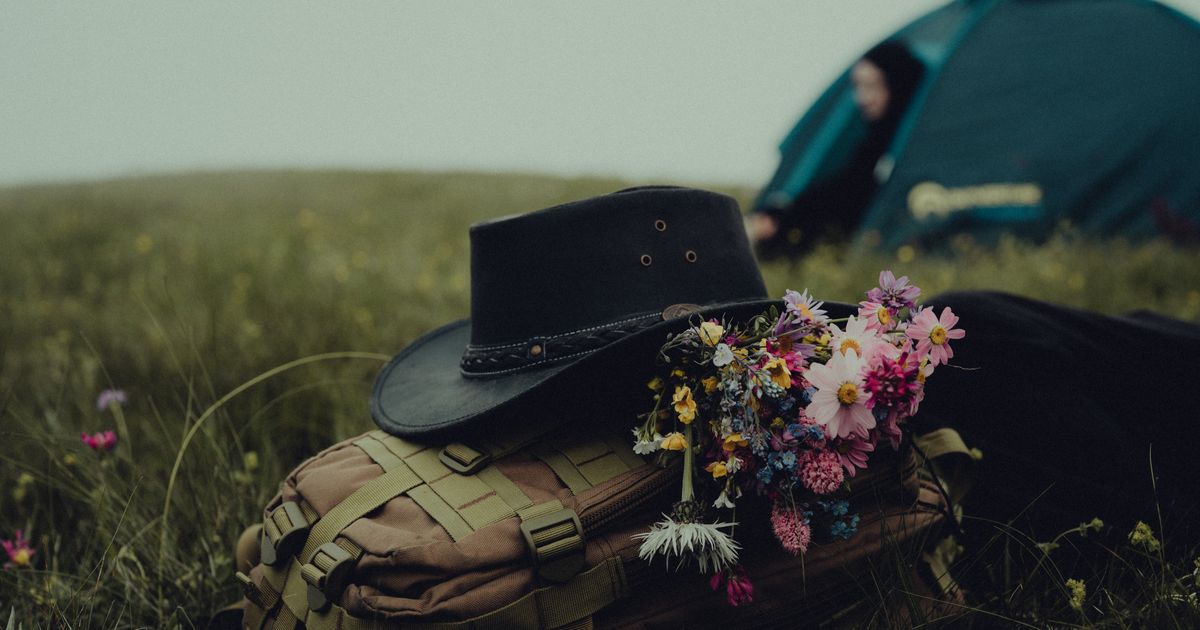
Cowboy camping is sleeping outdoors without a tent, using only a sleeping bag, pad, and groundsheet. It sounds rustic, but it's actually the ultimate minimalist camping strategy that serious backpackers and endurance hikers swear by. If you're tired of hauling a heavy tent on long trails, this method cuts pack weight dramatically while giving you an unforgettable connection to the night sky.
The appeal is straightforward: less gear means lighter load, faster setup, and the freedom to move camp whenever you want. You're not managing tent poles, stakes, or zippers in the dark. You just lay down your sleeping pad, zip into your sleeping bag, and drift off under the stars. For thru-hikers covering 20+ miles per day, that weight savings translates to less strain on your knees, ankles, and shoulders by day's end.
But cowboy camping isn't just about saving ounces. It's about choosing the right conditions, bringing the right gear, and understanding the trade-offs. Let's break down what you actually need and when this minimalist approach makes sense for your next adventure.
Related: Best Survival Camping Bikes 2026: Top 5 Ranked
In this article
What Does Cowboy Camping Really Mean?
Cowboy camping (also called ground sleeping or bivy camping) means sleeping in the open air without any tent or shelter structure overhead. You're using only the essentials: a sleeping bag, sleeping pad for insulation and comfort, and a groundsheet (usually lightweight Tyvek) to protect your gear from moisture. That's it.
Related: Best Camping Gear for Beginners: Essential Kit Guide
Related: Camping on Horseback: Complete Guide & Essential Gear
Related: Camping and Hunting: Essential Gear Guide for 2026
The term itself evokes images of Old West travelers bedding down on the trail with nothing but bedroll and stars. Modern cowboy camping adapted that concept for ultralight backpacking. Instead of canvas and wool, you're using advanced synthetics and down insulation, but the principle is identical: you're relying on your sleeping system and weather awareness rather than shelter walls.
This approach has become popular with thru-hikers tackling the Appalachian Trail, Pacific Crest Trail, and other long-distance routes. Lightweight backpackers and endurance athletes favor it because every ounce matters over hundreds of miles. However, it's not for everyone, and it definitely isn't suitable for every season or location.
Why Cowboy Camping Makes Sense
The core advantage is weight reduction. A quality three-season tent weighs 2-4 pounds. A cowboy camping setup with a sleeping bag, pad, and groundsheet typically weighs 3-5 pounds total. That's not always lighter, but the real savings comes when you're buying a tent rated for your specific needs versus using gear you already have.
Setup and breakdown are nearly instant. No fumbling with tent poles, no searching for level ground, no dealing with condensation buildup inside fabric walls. You lay out your groundsheet, deploy your sleeping pad, and you're done. Breaking camp takes the same 60 seconds.
You also get unobstructed views. Watching the Milky Way fade as dawn breaks is something you'll never experience inside a tent. Stargazing, meteor showers, and the simple experience of feeling the night air on your face create memories that synthetic walls can't match.
Speed and flexibility matter on long trails. If you need to relocate due to weather changes, water sources, or trail conditions, cowboy camping lets you move faster than someone packing down a tent. For minimalist philosophers and ultralight enthusiasts, this freedom is worth the trade-off.
Essential Cowboy Camping Gear
Your success depends entirely on bringing the right gear and matching it to your environment. Here's what you need:
- Sleeping Bag: This is non-negotiable. Choose one rated for the lowest temperature you expect to encounter. A summer bag works for warm months, but spring and fall demand heavier insulation. Down bags pack smaller; synthetic bags handle moisture better if you're caught in damp conditions.
- Sleeping Pad: This provides insulation from ground cold (critical) and comfort (essential). Closed-cell foam pads are light and durable. Inflatable pads offer better comfort but add weight and carry puncture risk. Many backpackers use a combination for warmth and cushioning.
- Groundsheet: A lightweight tarp or Tyvek ground cloth (weighing under 3 ounces) protects your sleeping bag from moisture and dew. It's your only real defense against ground dampness, so don't skip it.
- Blanket or Quilt: Optional but recommended. An additional lightweight blanket adds warmth flexibility without the bulk of a heavier sleeping bag. Some cowboy campers layer a quilt on top of their bag for better temperature regulation.
When you're shopping at Adventure Cove Store, focus on finding a sleeping system that balances weight, packability, and your region's climate. Your pad choice matters as much as your bag; a pad with poor insulation will leave you cold regardless of bag quality.
When Cowboy Camping Works Best

This method thrives in specific conditions. You need a reliable weather forecast showing clear skies, low wind, and no rain in the next 12 hours. Cowboy camping in surprise storms is dangerous and miserable.
Dry seasons are ideal. Late spring through early fall in temperate zones offers the most predictable conditions. Desert camping during dry months is perfect for cowboy camping; you get clear skies and minimal precipitation risk.
Areas with low insect pressure help too. Mosquitoes, no-see-ums, and other biting insects become problematic without tent netting. High elevation, windy areas, and colder months have fewer bugs, making them better suited for exposed sleeping.
Established campsites on established trails are better than backcountry exploration. Thru-hikers use cowboy camping because they're following marked routes with known water sources and established camping areas. Solo off-trail explorers face additional safety challenges when sleeping exposed in unfamiliar terrain.
According to peer-reviewed outdoor medicine research, exposure-related injuries increase when campers underestimate temperature drops or fail to account for wind chill during sleep. Always plan for temperatures 10-15 degrees lower than the forecast suggests.
Critical Challenges You Need to Solve
Insect management is real. Without a tent canopy, you're exposed to every flying and crawling creature in the area. Mosquitoes, gnats, and other biting insects can ruin sleep and leave you itching for days. Solutions include camping in areas with low insect pressure, using bug spray on exposed skin, and wearing long sleeves and pants.
Weather surprises happen. Even with a good forecast, unexpected rain, wind, or temperature drops can arrive. If you're committed to cowboy camping, you need a backup plan: a lightweight emergency shelter, waterproof tarp, or even a small pop-up tent option for backup. Some experienced hikers carry a minimal bivy sack just in case.
Wildlife concerns vary by region. In bear country, you're exposed and potentially more vulnerable. Bears might see you as an opportunity if your food isn't properly hung or stored. In snake-prone areas, your sleeping bag at ground level puts you at higher risk. Know the wildlife of your camping area and adjust your strategy accordingly.
Temperature regulation requires precision. Your sleeping bag, pad, and additional blankets must work together to keep you warm. A pad with insufficient R-value (insulation rating) will steal heat from below, leaving you cold despite a quality bag. Test your setup before committing to a multi-day trip.
Building Your Cowboy Camping Setup
Start with gear you likely already own. Most backpackers have a sleeping bag and pad. Add a lightweight groundsheet (often under $20) and test the system in your backyard first. This zero-risk trial run shows you what works and what feels uncomfortable before you're miles from help.
Invest in quality insulation. Your sleeping pad quality directly affects how warm you stay. A cheap foam pad might save $50 but will cost you miserable nights and potential hypothermia risk. Spending $100-200 on a solid pad is worth every penny.
Choose your first cowboy camping trip carefully. Pick a location with favorable weather, low elevation, warm season, and easy access back to civilization if needed. Many backpackers attempt cowboy camping on short practice trips before committing to it on longer thru-hikes.
Bring backup shelter options on your first few trips. A lightweight emergency tarp or even a large garbage bag can provide instant protection if weather turns unexpected. As you gain confidence, you can drop these backups.
When you're ready to upgrade your gear or fill in gaps, Adventure Cove Store offers solid camping and outdoor equipment with free shipping across the USA. Building a complete kit shouldn't require a second mortgage.
Who Should Actually Try Cowboy Camping

Thru-hikers and long-distance backpackers are the primary audience. If you're covering 1,000+ miles on foot, every pound matters, and cowboy camping delivers real weight savings that accumulate into less daily pain and faster daily miles.
Minimalist campers and ultralight enthusiasts embrace this style philosophically. They enjoy the simplicity, the reduced environmental impact of not building tent sites, and the direct connection to nature.
Experienced outdoor adventurers with strong weather reading skills can handle the variables. You need judgment to know when conditions are safe and when to pivot to shelter.
Fitness-focused hikers and athletes tackling challenging routes benefit from the weight reduction and setup speed. Every advantage compounds when you're pushing physical limits.
Beginners and fair-weather campers should probably stick with tents. Learning basic camping skills is easier inside a shelter. Once you've mastered tent camping, sleep systems, and weather management, then explore cowboy camping as an upgrade.
Smart Gear Decisions for Minimalist Camping
Your sleeping system is where cowboy camping investment happens. A quality insulated sleeping pad (around $150-300) and a weather-appropriate bag (around $150-400) form the foundation. Groundsheets are cheap, so buy good ones.
Consider a WUBEN Multi-Color Magnetic EDC G5 Flashlight for hands-free nighttime visibility without draining your main headlamp batteries. For water and moisture management, waterproof phone pouches protect your devices from dew and unexpected sprinkles.
Clothing matters too. Moisture-wicking base layers keep sweat off your skin, allowing your sleeping bag to insulate more effectively. A lightweight hoodie or wind layer provides emergency warmth if temperatures drop faster than expected.
Emergency supplies should always come along. A compact emergency blanket, waterproof matches, and a small first aid kit weigh almost nothing but could save your life if something goes wrong.
Is cowboy camping safe?
Cowboy camping is safe when conditions align (clear forecast, warm season, established campsites) and you're skilled at weather reading. Risks increase significantly with poor conditions, unfamiliar terrain, or lack of backup shelter. Always have a contingency plan and never camp in exposed areas during uncertain weather.
What's the difference between cowboy camping and bivy camping?
Bivy camping uses a minimal emergency shelter (a bivy sack or small single-person tent), whereas cowboy camping uses zero shelter structure. Both are ultralight approaches, but bivy camping offers more weather protection and bug defense while still remaining lightweight.
Can you cowboy camp in winter?
Technically yes, but it's extremely risky. Winter cowboy camping requires advanced skills, exceptional gear ratings, and perfect execution. Hypothermia risk, wind exposure, and snow accumulation make traditional winter shelters strongly recommended. Save cowboy camping for warm seasons until you have years of winter camping experience.
How do you stay warm while cowboy camping?
Layer your insulation: sleeping pad underneath (provides most warmth), sleeping bag on top, and optional quilt for additional coverage. Wear dry base layers, avoid cotton, and ensure your pad has adequate R-value for ground insulation. Test your setup in mild conditions before relying on it in cold weather.