
How to Organize Fishing Tackle for Faster Trips
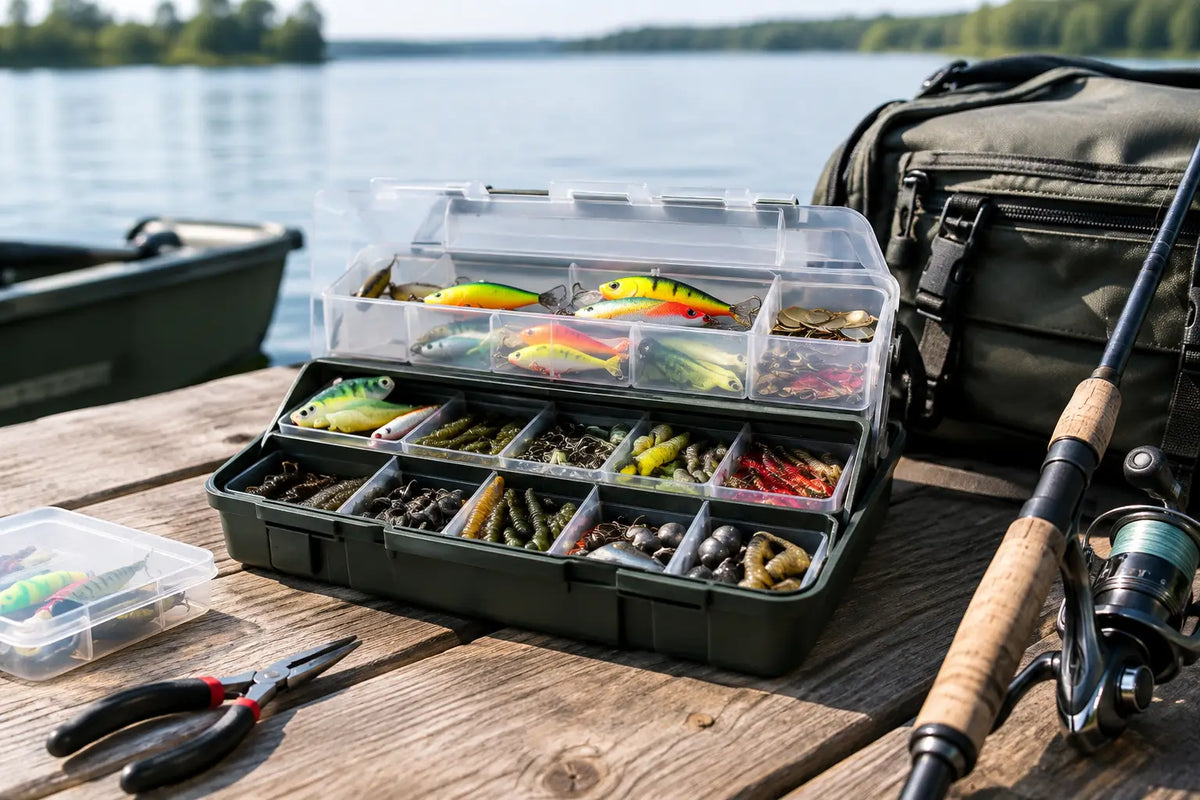
A tangled tray of hooks, a missing jig head, and a soft-plastic bag leaking into the bottom of your boat bag can cost more fishing time than most anglers expect. Knowing how to organize fishing tackle means building a system that gets the right lure, terminal tackle, and tools into your hand when the bite starts - whether you are fishing a local pond, launching a kayak, or packing for a full day on the water.
The best setup is not necessarily the largest setup. It is the one that matches how you fish, fits the way you travel, and makes restocking easy when you get home. A bank angler may need one compact backpack and two utility boxes, while a bass boater may benefit from larger waterproof storage cases and labeled compartments. Start with your actual fishing routine, then organize around it.
Start by Sorting Tackle Before Buying More Storage
Spread your tackle out on a clean table, garage workbench, or floor tarp. Sorting everything at once may feel like a chore, but it shows you what you already own, what needs to be replaced, and which items are taking up space without earning a place in your bag.
Begin by separating hard baits, soft plastics, terminal tackle, hooks, weights, line, tools, and seasonal items. Then sort within those groups by the fish you target or the technique you use most often. Crankbaits can be grouped by diving depth, for example, while jigs can be grouped by weight and trailer style. This makes more sense than putting every item of the same color in one place if you select baits based on water depth and conditions.
Discard rusty hooks, cracked plastic boxes, damaged line, and lures with bent hardware that you do not plan to repair. Keep a small repair bin for baits worth fixing, such as expensive hard lures or dependable spinnerbaits. Clearing out unusable gear creates room for tackle you will actually reach for.
How to Organize Fishing Tackle by Use
The most practical tackle systems separate gear by use, not just by product type. Before a trip, you should be able to pull one box or pouch for the conditions you expect instead of unloading your entire collection.
A useful setup may include separate storage for these four areas:
- Topwater and shallow-water lures for warm mornings, vegetation, and active fish.
- Mid-depth and deep-running baits for points, drop-offs, and open-water structure.
- Finesse tackle, including small hooks, weights, soft plastics, and compact jigs.
- Terminal tackle and tools, including swivels, snaps, bobber stops, pliers, line cutters, and spare line.
This approach is especially useful for family outings. A compact panfish kit with small hooks, split shot, floats, and simple bait rigs prevents younger anglers from digging through your larger lure collection. It also lets you pack lighter when the trip is about steady action rather than chasing one specific trophy fish.
Choose Containers That Protect Your Gear
Clear utility boxes are the workhorse of tackle organization because you can see what is inside without opening every compartment. Adjustable dividers are valuable for hard baits, jig heads, sinkers, and packaged hooks. Use sizes that fit your backpack, boat compartment, tackle bag, or kayak crate before committing to a whole stack of boxes.
Not every item belongs in a divided tray. Soft plastics often stay better in their original bags, which preserve scent and prevent colors from bleeding together. Place those bags in a labeled zipper pouch or a soft-plastic binder. Keep attractants and scented baits upright in a leak-resistant container, especially if they will ride in a vehicle or share space with dry clothing and electronics.
For crankbaits, jerkbaits, spinnerbaits, and other hook-covered lures, larger compartments reduce tangled treble hooks and chipped finishes. Hook covers can add protection when lures are stored loosely or carried in a small grab-and-go kit. If you fish from a kayak or wade in moving water, choose waterproof or water-resistant containers with secure latches. A box that spills after one rough launch creates a problem that no amount of labeling can fix.
Label for Quick Decisions at Home and on the Water
Labels are not only for a garage shelf. They save time when you are standing at the truck before daylight, trying to pack for changing weather. Use waterproof labels or a permanent marker on the outside edge of each box, where the label remains visible when cases are stacked.
Keep labels short and functional: “Finesse,” “Terminal,” “Topwater,” “Panfish,” “Deep Cranks,” or “Saltwater Hooks.” If you own several boxes for one technique, add a detail such as weight range, depth, or lure size. For example, “Jigs 1/4-3/8 oz” is more useful than simply writing “Jigs.”
Color-coding can help, but do not rely on color alone. A label should still make sense in low light, for a family member borrowing gear, or after you buy another matching storage box. Consistency matters more than making the system look perfect.
Keep a Ready-to-Fish Core Kit
Most anglers do not need to carry every bait they own. Build one compact core kit for quick trips and keep it stocked. Include the lures and terminal tackle you use with confidence, plus basic tools, a small selection of hooks and weights, and spare leader or line.
Your core kit should change with the season. In spring, it may include shallow-running baits, compact jigs, and rain gear. In summer, add topwater options, weedless rigs, and hydration supplies. Cold-weather fishing may call for finesse baits, gloves, hand warmers, and a better supply of small terminal tackle. Store off-season items separately so they do not crowd the gear you need now.
Organize Line, Hooks, and Small Terminal Tackle Carefully
Small tackle creates the most clutter because it is inexpensive, easy to buy in duplicates, and difficult to identify once packaging gets mixed up. Keep hooks in their original labeled packages when possible. The size, style, and quantity remain clear, and the packaging helps prevent loose points from working their way into your bag.
If you transfer hooks, swivels, beads, or weights into compartments, label each section with the size and type. Mixing a 1/0 worm hook with a 4/0 hook may not sound serious at home, but it slows rigging when conditions are changing fast. The same applies to sinkers. Separate bullet weights, drop-shot weights, split shot, and jig heads by style and weight range.
Store line away from direct sun, high heat, and moisture. A small line spool holder or zippered pouch keeps spools from unraveling and makes it easier to carry a few practical options. You do not need every line size on every trip. Pack line that matches the rods and techniques you plan to use, then leave bulk backup supplies at home.
Set Up Storage for Your Fishing Style
Bank anglers benefit from portability. A backpack, sling pack, or shoulder bag with two or three slim utility boxes keeps hands free for carrying rods, folding chairs, or a cooler. Weight matters when you walk far, so choose versatile baits instead of packing every possible option.
Kayak anglers need secure, limited-access storage. Use a crate, dry bag, or tackle bag that stays within reach without blocking paddling space. Keep emergency items, phone protection, and safety equipment separate from tackle, since a wet lure box is inconvenient but a wet communication device can become a bigger concern.
Boat anglers often have more capacity, but that can lead to overpacking. Assign each compartment a purpose: hard baits, soft plastics, rain gear, tools, or safety equipment. Keep frequently used boxes close to the deck and reserve deeper compartments for refills and specialty tackle. A simple inventory note on your phone can prevent unnecessary duplicate purchases.
Reset Your Tackle After Every Trip
The fastest way to keep tackle organized is to reset it before the next trip is even planned. Remove wet items from bags, open boxes to air out, and dry tools before corrosion starts. Check lures for dull hooks, damaged skirts, and worn split rings. Put unused soft plastics back into their correct bags, and return terminal tackle to labeled compartments.
Restock immediately when you notice a shortage. A small home station with spare hooks, weights, line, labels, and empty storage bags makes this simple. It also helps you prepare for a weekend trip without making a last-minute run for basic supplies.
An organized tackle system should make fishing feel lighter, not more complicated. Build it around the trips you actually take, adjust it as your skills and target species change, and keep one ready-to-fish kit within reach. When the weather turns right and you have an open afternoon, you will be ready to load up, head out, and spend your time casting instead of searching.