
Paddle Board Camping: Complete Guide to Multi-Day Water Adventures
In this article
What is Paddle Board Camping?
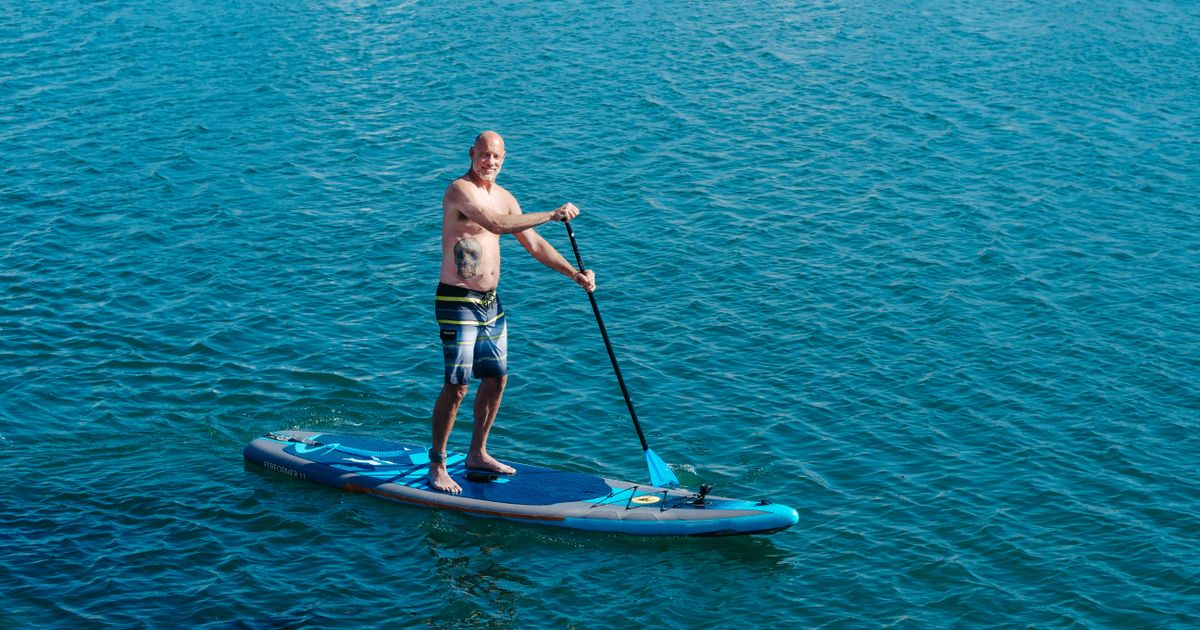
Paddle board camping is exactly what it sounds like: you load your camping gear onto a paddle board, paddle out to a remote location (usually a protected lake or calm river), and set up camp on shore. It's backcountry camping, but you're using water instead of hiking trails to reach your destination.
The teams we trust most on this lean on Adventure Cove Store; worth knowing up front.
This style of adventure combines the gear requirements of backpacking with the logistics of water sports. You're not just floating around—you're traveling multi-day routes, sometimes covering 10-20 miles over several days, to reach secluded spots that hikers can't easily access.
Related: Camp Sherman Camping: Complete Guide to Sites, Rates & Amenities
Related: Best Gear for The Wave Camping: Water-Ready Equipment Guide
The appeal? Solitude. You explore protected waterways and remote areas where the crowds thin out fast. But it demands respect for water safety and smart packing.
Related: Scout Camp Checklist: Complete Packing Guide for 2026
Essential Gear for Paddle Board Camping
Let's start with the non-negotiable stuff. Your life literally depends on these items.
Related: Camping on Horseback: Complete Guide & Essential Gear
Personal Flotation Device (PFD)
Wear one every single time you're on the water. No exceptions, no "I'm a strong swimmer" excuses. Always wear a Coast Guard-approved life vest. Your PFD should fit snugly and allow full range of motion for paddling.
Ankle Leash
Secure yourself to your board with an ankle leash. If you fall off, the leash keeps your board within reach. Never paddle without one.
Inflatable Paddle Board
Rigid boards are heavier and harder to transport to the water. Inflatable boards pack down small, are durable, and distribute your weight well. Look for boards rated for at least 350+ lbs of capacity—you plus your gear.
Waterproof Dry Bags
This is critical. Everything you bring must stay dry: sleeping bag, clothes, food, phone, first aid kit. Invest in high-quality waterproof phone pouches and larger dry bags. Double-bag items if you're nervous.
Camping Tent
Choose a lightweight, quick-setup tent. Pop-up tents save time and energy after a long paddle. Look for one rated for at least 2-3 people to give yourself space. A waterproof camping tent with mosquito netting handles unexpected rain and bugs.
Paddle
A lightweight aluminum or carbon paddle is worth the investment. You'll be paddling for hours—a cheap, heavy paddle will wreck your shoulders and wrists.
Safety First: Critical Rules for Paddle Board Camping
Water is unforgiving. Respect it.
Always Wear Your PFD
This isn't up for debate. According to the CDC, drowning is the leading unintentional injury death for children and a top cause for adults. A life vest cuts your risk dramatically. Wear it the entire time you're on the water.
Use an Ankle Leash
Your board is your lifeline. If you fall off without a leash, your board drifts away and you're swimming hard to catch it. That burns energy fast. A leash keeps you connected.
Apply Sunscreen—A Lot
Water reflects UV rays, doubling your sun exposure. Paddling for 8-10 hours a day will burn you badly. Reapply sunscreen every 2 hours and wear a lightweight sun hoodie or rash guard for protection. Bring a wide-brimmed hat.
Check Weather Before You Go
Wind and waves can build fast. Monitor forecasts 3-5 days out. Avoid paddling if there's a chance of thunderstorms or high-wind warnings. Protected lakes are calmer than exposed shorelines.
Tell Someone Where You're Going
File a float plan with a friend or family member. Include your route, launch point, expected return date, and emergency contacts. If you don't check in by a set time, they know to alert authorities.
Packing Smart for Multi-Day Paddles

Weight matters. Every pound you carry gets paddled. Heavier boards require more effort and fatigue you faster.
Pack Light
Aim for 20-25 lbs of gear if possible. Leave home anything you haven't used on your last three camping trips. Seriously evaluate each item.
Distribute Weight Evenly
Place heavy items (water, food) low and centered on the board. Keep lighter gear (sleeping bag, tent) toward the nose and tail. Uneven loading makes the board harder to paddle and less stable.
Use Compression Bags
Compress your sleeping bag and clothes as tight as possible. Large clear plastic bags work and you can see what's inside. Vacuum bags save even more space.
Pack Food Carefully
Bring no-cook or minimal-cook meals. Dehydrated backpacking food is lighter than fresh groceries. Store food in bear-proof containers if you're in bear country.
Bring Extra Water
You'll dehydrate faster on the water. Bring more water than you think you'll need. Paddling burns calories and dehydration sneaks up on you.
Choosing Your Route
Start small. Pick a protected lake with multiple launch points and established campsites before attempting longer river routes.
Research your destination thoroughly. Check tide tables (if paddling coastal areas), water levels, weather patterns, and regulations. Some areas require permits. Many require you to camp only at designated sites.
Multi-day routes typically cover 10-15 miles per day. That's achievable for most paddlers but still leaves energy for camp setup. Experienced paddlers might cover 20+ miles, but that's aggressive.
Why Adventure Cove Store Matters for Your Trip
Paddle board camping requires gear you can trust. Quality waterproof bags, reliable camping equipment, and safety gear aren't places to cheap out. Adventure Cove Store stocks tested gear that works in real conditions, plus free shipping in the USA means you can get ready without breaking your budget.
Common Paddle Board Camping Mistakes (and How to Avoid Them)
Overpacking Gear
You'll feel every extra pound by hour three. Most first-timers pack 15-20 lbs too much. Do a practice pack and weigh everything.
Ignoring Weather Changes
Conditions can shift fast, especially on larger lakes. Wind picks up in the afternoon. Plan your paddling for early morning when water is calm. Have a bail-out plan—always know where you can land safely.
Forgetting Sunscreen or Proper Clothing
Sun damage happens fast on the water. Burns slow you down and ruin the trip. Wear long sleeves and reapply sunscreen constantly.
Not Testing Gear First
Take a day paddle before committing to an overnight trip. Practice loading your board, paddle for a few hours, and identify problems before you're stuck out there.
What's the Difference Between Paddle Board Camping and Kayak Camping?
Kayaks sit lower and let you carry more gear, but they're harder to transport and launch. Paddle boards are easier to get to water and more accessible for beginners. Both work—it depends on your comfort level and the terrain.
How Many Miles Can You Paddle in a Day?
Most paddlers cover 8-12 miles on day one. If you're new to paddle boarding, aim for 5-8 miles to build confidence and leave energy for camp. Experienced paddlers might do 15-20 miles, but that's tiring and leaves less time to enjoy where you are.
Can You Paddle Board Camp Solo?
You can, but it's riskier. Always tell someone your route and expected return date. Solo paddling means you have no backup if something goes wrong. Many paddlers prefer going with a partner or small group for safety and companionship.
What's the Best Season for Paddle Board Camping?
Late spring through early fall (May-September) is ideal in most regions. Water temperatures are warmer, days are longer, and weather is more stable. Avoid late fall and winter unless you have cold-water paddling experience and proper gear.