
Camping Comfort Tips for Better Sleep Outdoors
In this article
How to Sleep Better When Camping
The biggest mistake campers make is thinking they just have to tough it out. You don't. Better sleep on a camping trip comes down to three things: what's under you, what you're wearing, and where you pitch your tent. Get these right and you'll actually wake up refreshed instead of exhausted.
Real talk: a thin sleeping pad is your enemy. Your body loses heat fast when you're lying on cold ground, and that triggers restlessness all night. A thicker sleeping pad acts as both insulation and cushioning, which means your body stays warm and your hips, shoulders and back aren't aching. This is non-negotiable if you want camping comfort tips for better sleep to actually work.
Related: Bicycle Camping Guide: Gear, Routes & Tips for 2026
Related: Best Camping Comfort Essentials Checklist for Your Next Trip
Related: Best Academy Sports Camping Cots for Comfort & Support
Invest in the Right Sleep System
Your sleep system is made up of three layers: the pad, the sleeping bag, and what you put under your head. Skip any one and you'll feel it.
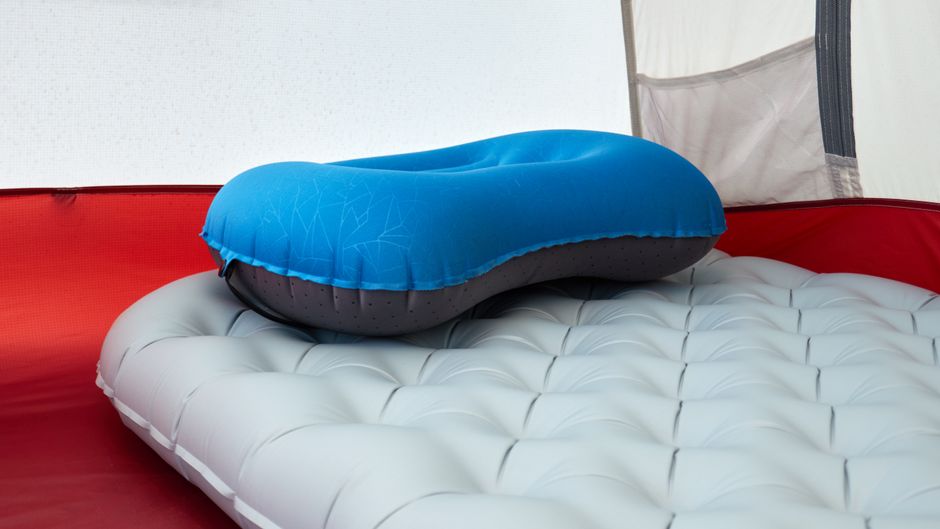
A thicker sleeping pad (at least 2 to 3 inches) keeps the cold ground from sucking heat out of your body. Thin pads look like they work fine at home, but in the field they leave you shivering and tossing. Thicker ones also just feel more comfortable—less like you're sleeping on rocks and sticks.
A camping pillow matters more than most people think. Your regular pillow from home gets compressed and loses support after a few hours, and then your neck ends up at a weird angle that makes your shoulders tight by morning. A camping pillow is designed to hold its shape and give your head and neck proper support. You'll actually want to use it instead of just cramming a jacket under your head.
When you combine these with a good sleeping bag rated for your climate, you've got a sleep system that actually lets you rest. Check out Adventure Cove Store for sleeping gear that's tested in real conditions.
Wear Clean, Dry Clothing to Bed
This is the game-changer most people overlook. Sweat-soaked or dirty clothes pull heat away from your body and create discomfort that keeps you awake. Change into clean, dry clothes before you get into your sleeping bag—every single night.
Start with moisture-wicking base layers. Cotton holds moisture and makes you cold. Synthetic materials and merino wool pull sweat away from your skin so it can evaporate instead of making you damp. Clean long underwear (both top and bottoms) plus clean socks create an ideal sleep environment.
Layering is your friend here. You might feel warm when you first get in the bag, but your body temperature drops as you sleep. A lightweight layer you can add or remove keeps you from waking up either freezing or overheating. You want to adjust to the temperature, not fight it all night.
For seriously cold camping, body warmers inside your sleeping bag help maintain heat without adding bulk. Just make sure you're wearing clean, dry clothing underneath them.
Choose Your Tent Location Carefully
Where you pitch your tent affects sleep more than you'd think. A noisy campground means constant mini-awakenings that leave you exhausted.
Pick a spot away from the main trail, other tents, and water sources if possible. This cuts down on foot traffic noise and animals moving around nearby. Even a short distance makes a difference.
Tent ventilation is underrated. Moisture builds up inside a sealed tent, making the air feel stuffy and cold. It also promotes condensation that drips on you. Leave some ventilation open to let air flow through, even in cool weather. Your sleeping bag will keep you warm while the air stays fresher.
Use a sleep mask to block out light if you're camping where the sun comes up early or there are other light sources. Darkness tells your brain it's time to sleep, and blocking light helps you stay asleep longer.
Temperature Control Throughout the Night
Your body temperature changes as you sleep, and you need to be ready for that. Start by dressing warmly when you get into your sleeping bag, but have a way to cool down if you get too hot.
Moisture-wicking layers work for temperature control too. If you feel warm in the night, you can remove a layer without getting out of your bag. If you feel cold, add one. This keeps you comfortable without the constant tossing.
In very cold conditions, body warmers placed inside your sleeping bag (not against your skin) add extra heat where you need it most. Some people put them in the foot box of the bag, others at the top. Find what works for your setup.
Pro tip: whatever clothing you wear to bed should be the first thing you change out of in the morning. Wet or compressed clothing loses its insulating power fast, so fresh clothes help you stay comfortable the next night too.
The Full Picture: Putting It All Together
Good sleep camping isn't about one trick. It's about a system that works together. A thick sleeping pad keeps you insulated. Clean, dry, moisture-wicking clothes regulate your temperature. Proper layering lets you adjust through the night. A camping pillow supports your head. Smart tent placement reduces noise and improves air flow. A sleep mask blocks light.
When you get all these elements right, sleeping outdoors becomes genuinely restful instead of something you just endure. Your body recovers, you have energy for the next day's adventure, and you actually want to go camping again.
For quality camping gear that supports better sleep, Adventure Cove Store carries everything you need. We offer free shipping in the USA, so building your complete sleep system is easy. Browse the gear, test what works for your style, and set yourself up for nights that actually feel restorative.
People Also Ask
What thickness sleeping pad is best for camping?
Aim for at least 2 to 3 inches of thickness. This gives you enough cushioning to avoid rocks and sticks jabbing you, plus enough insulation to keep ground cold from pulling heat out of your body. Thinner pads leave you uncomfortable and restless. The exact thickness depends on your sleeping style and the climate, but thicker is almost always better for sleep quality.
Should I wear socks to bed while camping?
Yes, clean socks. Your feet are a major heat-loss point, and keeping them warm helps your whole body stay warm. Wear moisture-wicking socks so sweat doesn't make your feet clammy. Some people bring an extra pair just for sleeping so they can keep their feet clean and dry in the bag. This small detail makes a big difference in how well you sleep.
How do I stay warm in a sleeping bag without sweating?
Layer with moisture-wicking materials and start with clean, dry clothes. Synthetic fabrics and merino wool pull sweat away from your skin instead of trapping it. Use a sleeping bag rated for your climate so you're not overdressed. You want your clothing to regulate temperature passively—not too hot, not too cold. If you do start sweating, you're probably wearing the wrong weight of sleeping bag or too many layers.
Does tent ventilation help you sleep better?
Absolutely. A stuffy tent with poor air flow creates condensation, stale air, and discomfort that keeps you awake. Cracking a vent or leaving a window open lets fresh air circulate while your sleeping bag keeps you warm. You'll sleep deeper and wake up feeling better, not groggy from stale air.