
How to Choose a Camping Tent: Complete Buyer's Guide
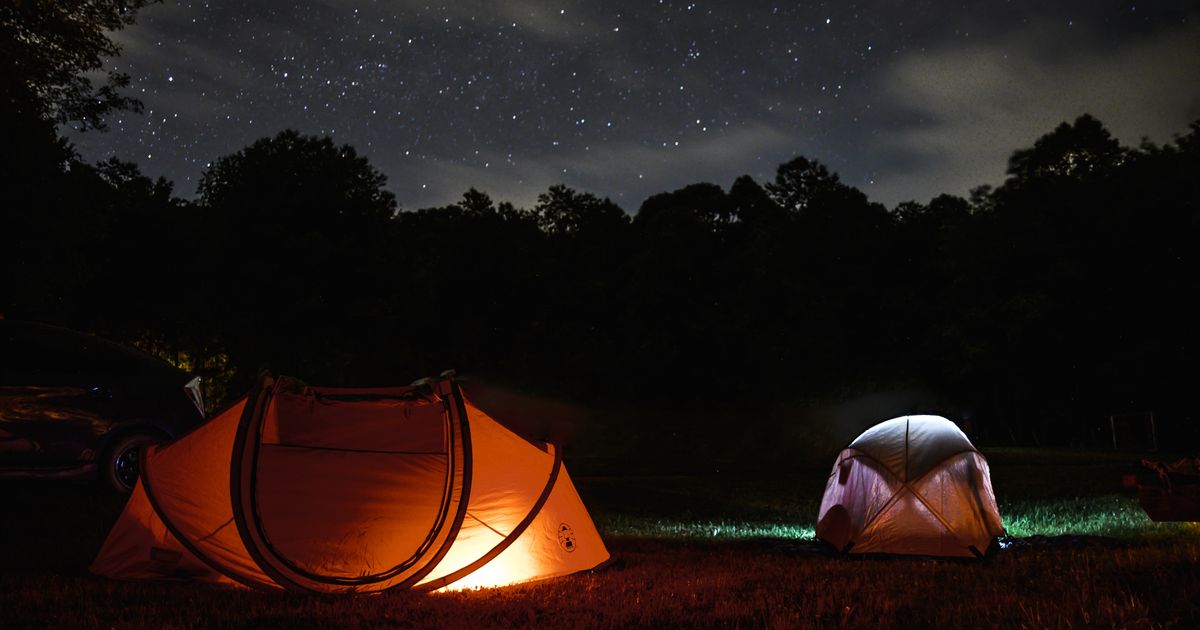
In this article
- How to Choose a Camping Tent: The Essentials
- Step 1: Get Your Sleeping Capacity Right
- Step 2: Check Standing Room and Headroom
- Step 3: Match the Tent to Your Climate and Season
- Step 4: Evaluate Ventilation and Condensation Control
- Step 5: Look at Weather Resistance
- Step 6: Check Interior Organization Features
- Step 7: Think About Color and Light
- Tent Style: Which Type Fits You?
- Special Considerations for Your Camping Style
- Budget Versus Quality
- People Also Ask
How to Choose a Camping Tent: The Essentials
The right camping tent comes down to matching the tent to your actual camping style and the conditions you'll face. Start by asking yourself three questions: How many people are sleeping in this tent? Where and when will I use it? What weather do I expect? Answer those honestly, and the rest falls into place.
Think of tent selection like buying shoes. A shoe that looks great in the store but doesn't fit your foot is useless. Same with tents. A tent that looks massive online but isn't suited to your climate or camping trips won't serve you well. Let's break down what matters.
Step 1: Get Your Sleeping Capacity Right
This is where most people mess up. Tent labels show "sleeping capacity," but that number assumes cozy, shoulders-touching sleeping. If you want actual comfort, buy bigger.
For car camping trips where you're not carrying the tent on your back, go up one size. A 3-person tent is tight for three people; a 4-person tent gives you room to breathe, store gear inside, and move around. You're not just counting heads—you're counting comfort and usable space.
For backpacking where weight matters, you can stick closer to the labeled capacity, but understand the trade-off. Tight quarters mean less comfort on longer trips.
Step 2: Check Standing Room and Headroom
Can you sit upright inside without your head touching the roof? That matters more than you think, especially if you're spending rainy days in your tent or if your trip lasts more than a weekend.
Look at the tent's peak height—the tallest point inside. Six feet is nice if you're tall. A low-ceiling tent (under 4.5 feet) forces you to crawl around, which gets old fast. If you're camping in a place with bugs or rain, you'll spend time inside your tent. Make it livable.
Step 3: Match the Tent to Your Climate and Season
A summer tent is completely different from a winter tent. Think about what conditions you actually camp in.
Related: Camping on Horseback: Complete Guide & Essential Gear
Related: Camping and Hunting: Essential Gear Guide for 2026
Related: Best Cowboy Camping Gear: The Minimalist Guide
Summer camping: You need airflow and bug protection. Mesh panels and good ventilation prevent condensation. A simple two-layer tent (inner tent plus rainfly) works fine.
Spring and fall: Weather changes fast. You want a rainfly that covers most of the tent and sealed seams to handle unexpected showers. Three-season tents handle this well.
Winter or mountain camping: You need heavy insulation and snow load capacity. The tent must handle weight on the roof and strong winds. This gets serious, and your tent choice is critical.
Don't buy a winter tent if you only camp in summer. You'll overheat and waste money. Pick a tent rated for the seasons where you actually sleep outside.
Step 4: Evaluate Ventilation and Condensation Control
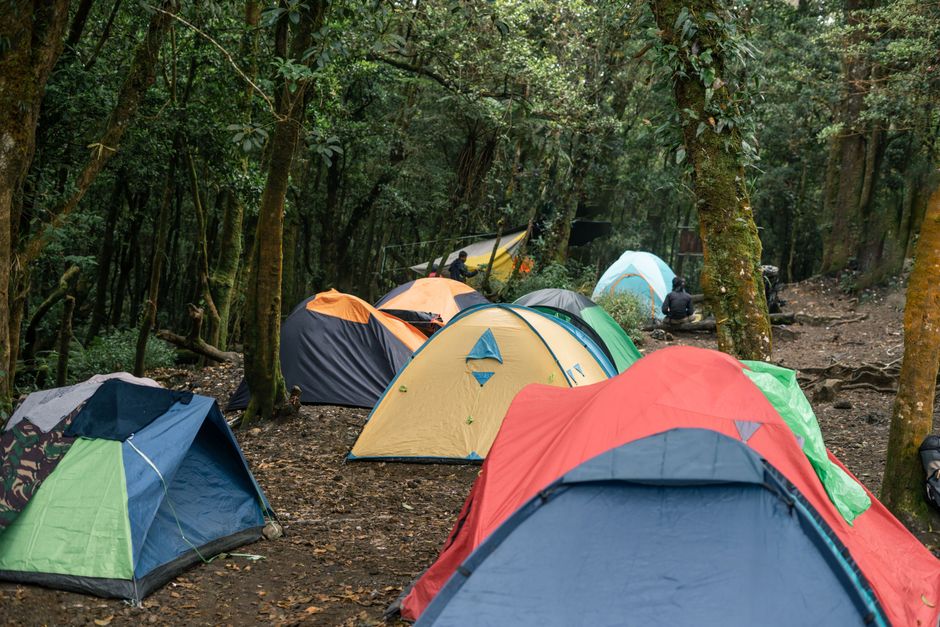
Condensation is the silent tent killer. When warm, moist air inside your tent hits the cool fabric at night, moisture builds up. It drips on your sleeping bag, and now you're damp and uncomfortable.
Good ventilation means multiple vents, mesh panels on the inner tent, and airflow from the rainfly. Look for tents with vents at the peak and near ground level. The air should move through the tent, not get trapped.
If you see only one vent or vents that are tiny, pass. Ventilation isn't a luxury—it's essential for sleep quality and protecting your gear from mildew.
Step 5: Look at Weather Resistance
Check three things: seam sealing, rainfly coverage, and floor material. Seams are where water sneaks in. Quality tents have sealed seams so water can't wick through.
The rainfly should cover as much of the tent as possible, ideally down to near the ground on all sides. A rainfly that covers only the peak leaves your walls exposed in a heavy storm.
The tent floor should be durable and waterproof. It takes the most punishment—dirt, rocks, foot traffic. Polyester or nylon with a polyurethane coating holds up better than cheap plastic.
Step 6: Check Interior Organization Features
Small features make a big difference in real camping. Look for interior pockets to stash your phone, keys, or headlamp so they're within reach in the dark. Gear loops on the roof let you hang a lantern or secure loose items.
A vestibule (covered area outside the tent door) keeps rain out when you're getting in and out. It's also great for storing muddy boots or a backpack without dragging dirt into your sleeping space.
These aren't deal-breakers, but they improve your experience. A tent without them still works, but a tent with smart organization feels more livable.
Step 7: Think About Color and Light
Tent color affects how the interior feels. Light colors (tan, light green) let more natural light in during the day. Dark colors (navy, charcoal) block light and create a cave-like sleeping environment.
If you like sleeping in, a darker tent keeps you from waking up at sunrise. If you like morning light, go lighter. It's personal preference, but it matters for sleep quality on multi-day trips.
Tent Style: Which Type Fits You?

Different tent shapes serve different purposes.
Dome tents: Classic, stable in wind, good for most conditions. Reliable and affordable.
A-frame tents: Simple, lightweight, but less stable in high winds. Good for backpacking.
Bell tents and cabin tents: Lots of interior space and standing room. Heavy and best for car camping only.
Pop-up tents: Set up in seconds, great for casual camping or festivals. Check reviews because some are flimsy.
For camping gear and tent options, Adventure Cove Store carries models like the Night Cat 4 Person Pop Up Camping Tent, which combines instant setup with a spacious cabin design and blackout features—perfect if you value fast assembly and interior comfort.
Special Considerations for Your Camping Style
Car camping: Size and comfort matter most. You can go bigger and heavier since you're driving. Pick a tent with good headroom, ventilation, and a vestibule for gear storage.
Backpacking: Weight is critical. You'll carry this tent on your back, sometimes for miles. Prioritize lightweight materials and efficient design over luxury features. A small, well-ventilated two-person tent beats a heavy three-person tent.
Beach or desert camping: You need strong wind resistance and UV protection. Sand gets everywhere, so good ventilation and a washable floor are crucial. The PAKICETUS 2-4 Person Automatic Pop Up Camping Tent offers quick setup and wind resistance for exposed camping environments.
Family camping: Go large and prioritize comfort. A bigger tent means kids have space to move around, you can store luggage inside during rain, and everyone sleeps better when not cramped. The PAKICETUS 8+8 Luxury Version Inflatable House Tent provides expansive space and easy setup for family trips.
Budget Versus Quality
Cheap tents fail fast. A budget tent from a random brand might fall apart after two trips, and then you've wasted money. Mid-range tents from established outdoor brands hold up for years.
Spend enough that the seams are sealed, the rainfly covers well, and the poles are sturdy. A decent tent costs more upfront but outlasts three cheap ones. Think of it as an investment in reliable shelter, not just a purchase.
People Also Ask
What size tent do I actually need? For car camping, go one size larger than your sleeper count. A 4-person tent comfortably fits two people with room for gear. For backpacking, match your sleeper count more closely since weight matters.
How do I know if a tent will handle rain? Check that seams are sealed, the rainfly extends nearly to the ground, and the floor is sealed polyurethane or nylon, not thin plastic. Read reviews mentioning how it performed in actual rain.
Is ventilation really important? Yes. Poor ventilation causes condensation, which ruins sleep, promotes mildew, and can damage gear. A tent without good airflow isn't worth buying.
Should I buy a brand name or save money with an off-brand? Established outdoor brands engineer their tents to perform in real conditions. Off-brands often cut corners on sealing, pole strength, and fabric durability. Spend a little more on reliability.
What's the difference between a rainfly and a tent?
The rainfly is the waterproof outer shell. The tent (or inner tent) is the mesh structure where you sleep. Together they keep you dry and bug-free. The tent alone won't keep rain out, and the rainfly alone won't keep bugs out. You need both.
Can I use a summer tent in spring?
Not reliably. Summer tents prioritize airflow over weatherproofing. Spring brings rain and cooler nights. A three-season tent (which adds better rainfly coverage and insulation) handles unpredictable spring weather. If you camp in spring, buy a three-season tent.
How long does a camping tent last?
A quality tent lasts 5-10 years with normal use. Lifespan depends on how often you use it, how you store it, and whether you clean and maintain it. Store it dry, avoid prolonged UV exposure, and fix small tears before they grow. Proper care extends the life of any tent.
Does tent weight matter if I'm car camping?
Not as much, but heavier tents are harder to set up and pack away. Even for car camping, a moderately lightweight tent is easier to handle than a heavy one. That said, comfort and durability matter more than shaving off a pound or two.